OEM Chlorine Gas Sensor Manufacturers & Factories

Advanced Industrial Electrochemical Detection Systems & Gas Safety Solutions Built to Global Engineering Standards

Featured Safety & Detection Equipment

High-precision industrial monitoring hardware and control boxes optimized for hazardous gas integration
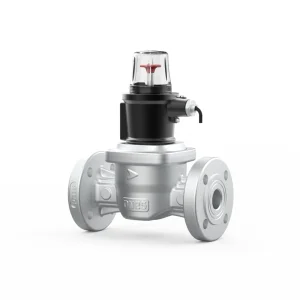
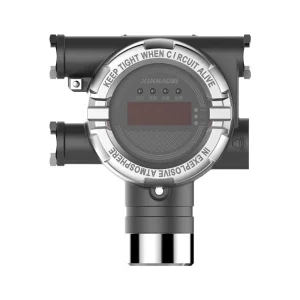
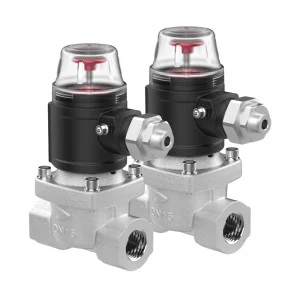
OEM China XF3 Series Industrial Gas Solenoid Valve

OEM China XF3 Series Industrial Gas Solenoid Valve - Normally Opened, Top Suppliers & Factory Quality Suppliers, Manufacturers

View Details
OEM GTYQ-XP4000 Explosion Proof Combustible Gas Detector

OEM GTYQ-XP4000 Explosion Proof Combustible Gas Detector Manufacturers, Factory

View Details
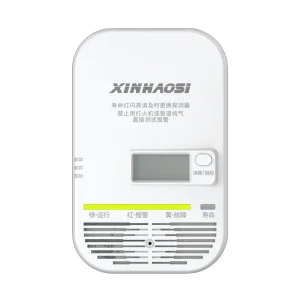
JT-AT2066AK/B Household Combustible Gas Detector

High-Quality China Suppliers Factory JT-AT2066AK/B Household Combustible Gas Detector for Safety and Security Supplier, Manufacturer

View Details
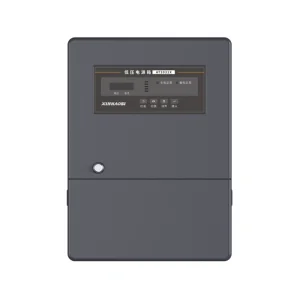
OEM China AT2031X Low Voltage Power Box

OEM China AT2031X Low Voltage Power Box - Reliable Suppliers & Factory for High-Quality Electrical Solutions Suppliers, Factory

View Details
OEM AT2031XE Low Voltage Power Box

OEM AT2031XE Low Voltage Power Box from China Suppliers and Factory for Reliable Electrical Solutions Suppliers, Factory

View Details
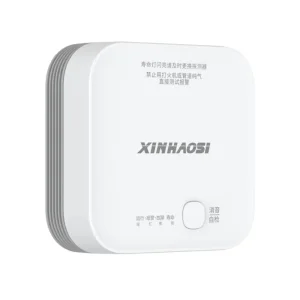
JT-AT2018 / JT-2028 / JT-AT2058 Series

High-Quality China Suppliers JT-AT2018 / JT-2028 / JT-AT2058 Series Household Combustible Gas Detectors from Factory Manufacturers, Factory

View Details
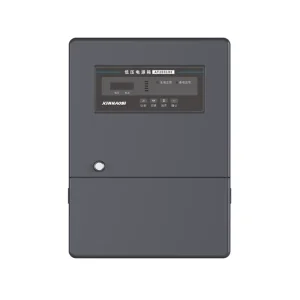
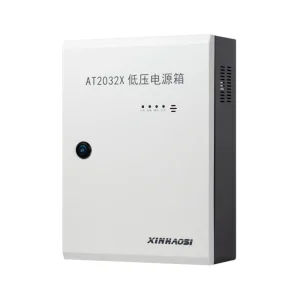
OEM AT2032X Low Voltage Power Box

OEM AT2032X Low Voltage Power Box - High Quality from China Suppliers & Factory for Reliable Power Solutions Manufacturers, Factory

View Details
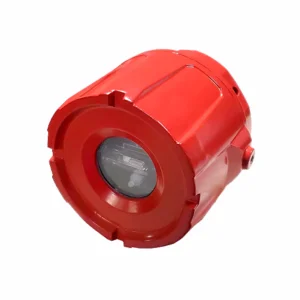
OEM IFD2020 Single UV Flame Detector

OEM IFD2020 Single UV Flame Detector Manufacturer, Factory

View Details

The Vital Role of Chlorine Gas Detection in Modern Infrastructure

Chlorine (Cl2) remains one of the most widely manufactured and cross-industry essential chemicals globally. From its critical role in municipal water disinfection and wastewater treatment to its application in chemical synthesis, pulp bleaching, plastics, and semiconductor cleanrooms, the utility of chlorine is undeniable. However, its high toxicity presents severe hazards. Even sub-ppm levels of chlorine gas can irritate respiratory pathways, while acute exposure exceeding 10 ppm poses immediate threats to life and health (IDLH). This stark contrast between utility and hazard underscores the absolute necessity of integrating highly responsive, accurate, and stable chlorine gas detection systems into industrial footprints.

For system integrators, environmental engineering firms, and industrial safety managers, sourcing sensors that offer rapid response times (T90 < 30 seconds), minimal baseline drift, and rugged design is paramount. Original Equipment Manufacturer (OEM) chlorine gas sensors serve as the core building block for these critical systems. By partnering directly with experienced manufacturers and factories, developers can access tailored sensing platforms, customized electrical outputs, and optimized mechanical enclosures designed to meet the precise requirements of harsh industrial operations.

Advanced Technology Architecture & Core Transduction Pathways

OEM factories leverage several engineering methodologies to detect and quantify chlorine gas concentrations in the atmosphere. The choice of sensor chemistry directly affects long-term stability, cross-sensitivity profile, calibration needs, and unit costs:

Electrochemical Gas Sensing

The gold standard for industrial Cl2 detection. These sensors work by diffusing chlorine gas through a porous membrane into an electrolytic cell containing a working, counter, and reference electrode. Oxidation-reduction reactions generate an electric current directly proportional to the gas concentration, offering linear resolution down to 0.1 ppm.

Metal Oxide Semiconductor (MOS)

Utilizing chemiresistive metal oxide films (such as SnO2 or WO3), MOS sensors experience changes in electrical conductivity when exposed to oxidizing gases like chlorine. Highly cost-effective and rugged, these sensors are ideal for leak detection in less regulated, non-hazardous ambient areas where extreme longevity is required.

Optical Sensing & NDIR

Emerging solid-state optical methods detect chemical changes on active waveguide membranes. While typically demanding a higher upfront investment, optical-based setups represent the next generation of toxic gas monitoring, completely eliminating electrolyte dry-out and sensor poisoning hazards.

Critical Design Note: Chlorine is a highly reactive, strongly oxidizing gas that tends to adsorb onto standard plastics and housing materials. Premium OEM manufacturers configure the flow paths of their sensing heads with inert materials such as PTFE (Teflon) or PVDF to prevent sample depletion before the gas reaches the active catalytic surface of the electrochemical cell.

Key Application Scenarios and Localized Environmental Adaptations

Industrial installations present varied environmental challenges, necessitating localized customization of sensor platforms. A single, standardized sensor model is rarely sufficient to cover the operating parameters of every facility:

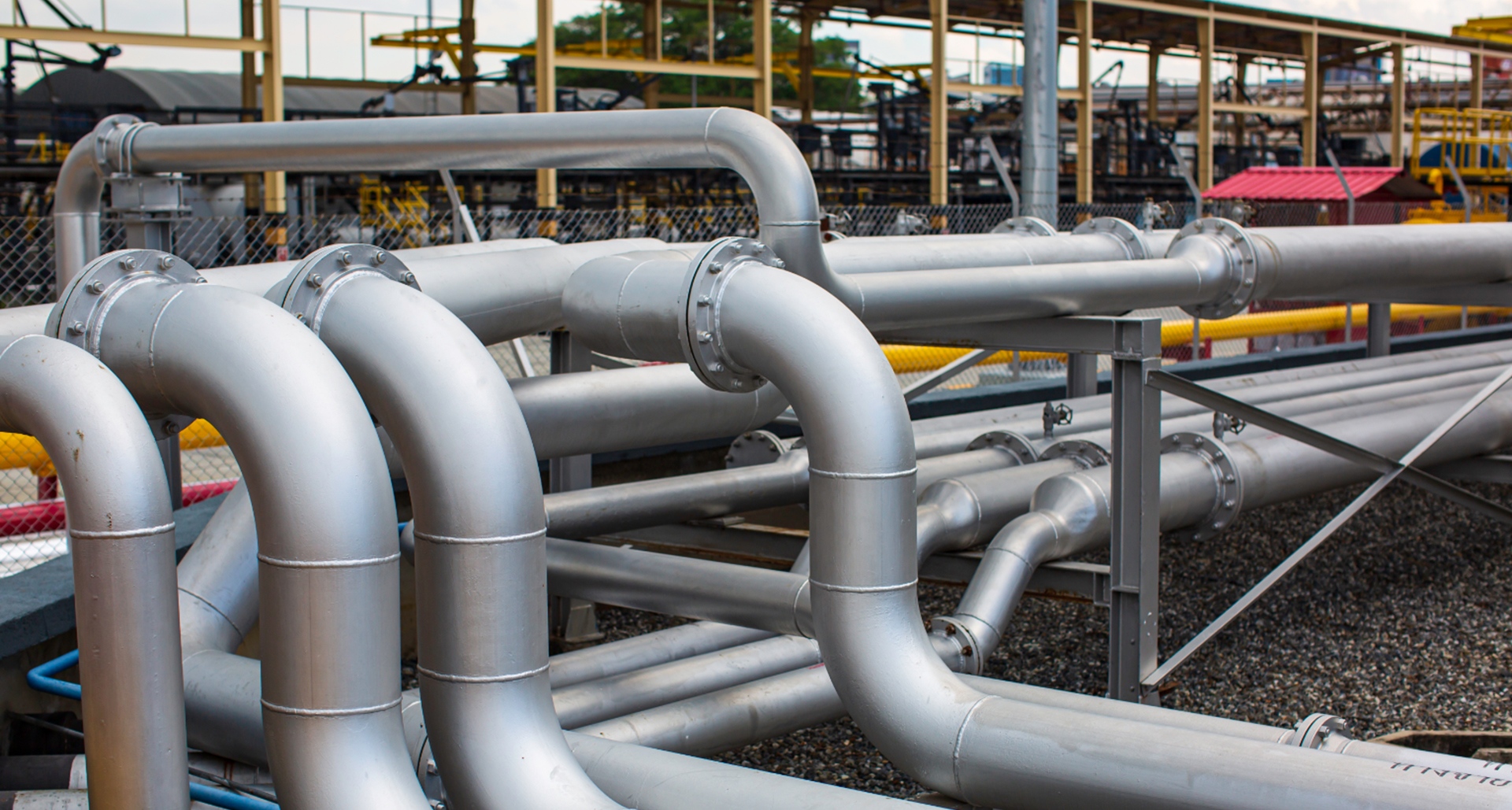
  • Municipal Water Treatment Plants: Characterized by high relative humidity (up to 95% non-condensing) and fluctuations in ambient temperature. Sensors in these facilities require moisture-resistant membranes, hydrophobic barriers, and conformal-coated internal electronics to prevent condensation from causing short circuits on the PCB.
  • Chemical Storage & Transport Hubs: These sites are susceptible to heavy cross-contaminating gases, including sulfur dioxide (SO2), ozone (O3), and nitrogen dioxide (NO2). OEM factories address this by integrating chemical filter membranes directly into the sensor cap, filtering out interfering oxidizers and ensuring the output signal is generated solely by the presence of Cl2.
  • Semiconductor Fabrication Units: Fab environments demand ultra-low detection thresholds (LOD < 0.05 ppm) to protect cleanroom technicians and prevent chemical contamination of silicon wafers. Sensors configured for these applications utilize high-sensitivity micro-electrochemical elements coupled with low-noise instrumentation amplifiers.
Industrial Safety Solutions Gas Safety Technology Monitoring Controls

Precision Sensing Solutions Portfolio

Direct supply of components spanning industrial protection, household safety, and distribution pipelines
Industrial Gas & Flame

Industrial Gas & Flame

Detection Systems - Safety First from Precision Sensing
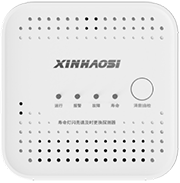
Household & Commercial

Household & Commercial 

Gas Detectors - Home Safety from Gas Monitoring
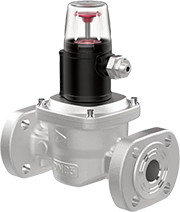
Gas Solenoid Valves

Industrial & Household 

Gas Solenoid Valves - Protecting from the Source
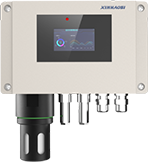
Urban Gas Distribution

Urban Gas 

Distribution & Monitoring - Smart Sensing for Urban Gas

Unknown Risks Mapping X is Technology

X Represents the Unknown Risks
X Represents the Next-Gen Safety Technology

Future Ready Solutions for Global Gas Infrastructure

We utilize advanced electronic detection technology to make unknown gas leak risks clear and visible. Founded in 2003, Xinhaosi is one of the most influential and reliable brands in gas safety industry. We provide customer-focused products and services to safeguard the safe operation of every factory, the comfort of every city, the peace and happiness of every home. Powered by cutting‑edge production systems and technology, we deliver more advanced, intuitive, and precise gas safety solutions for shaping a safer future world.

More About Us

China Supply Chain Resiliency & Manufacturing Superiority

How automation and quality control frameworks drive global compliance and volume scalability

20+
Years of R&D Excellence
100%
Traceable Calibration
SIL2
Functional Safety Standard
<30s
T90 High Response Time

Partnering with China-based OEM factories provides access to a highly integrated industrial ecosystem. The production of a chlorine gas sensor requires precision chemistry, micromachining of plastic housings, and specialized surface-mount PCB assembly. In China, these disparate supply chains are geographically co-located, allowing for rapid iteration of prototype designs, raw material consolidation, and shorter production lead times.

Advanced Chinese factories leverage automated catalyst deposition lines, ensuring that the working and reference electrodes receive uniform chemical coatings. This process reduces unit-to-unit variability and improves overall sensor yields. Additionally, automated environmental test chambers subject completed sensors to aging simulations across temperature and humidity spectrums, identifying weak units before they leave the factory floor. This level of quality control ensures that OEM sensors perform reliably upon installation in demanding applications abroad.

OEM Technical Roadmap: IoT, Edge Diagnostics & Solid-State Electrolytes

The gas detection landscape is moving away from passive analog transducers toward digital, self-diagnostic modules. The integration of microprocessor units directly into the sensor assembly enables localized signal processing and edge data transmission:

  • Smart Calibration Profiles: Modern OEM modules contain onboard EEPROM chips storing factory calibration parameters, temperature compensation coefficients, and baseline drift algorithms. This architecture allows system integrators to swap sensor modules in the field without needing to perform manual gas calibrations on site.
  • Electrochemical Diagnostics: Advanced sensor platforms utilize impedance spectroscopy to query the health of the internal electrolyte. An increase in internal resistance flags a dry-out or contamination event, prompting maintenance personnel to schedule a replacement before a failure occurs.
  • Next-Generation Solid-State Electrolytes: Standard liquid electrolytes are prone to evaporation in hot, dry climates and freezing in sub-zero locations. Research is shifting toward solid-state and polymer electrolytes, expanding the operating temperature range from -40°C to +60°C and prolonging operational lifespan to more than five years.

End to End Solutions for Total Safety

Empowered by technology, Full-chain integration, Comprehensive protection, Shaping the future with intelligence.

More About Solutions

Our Partners

Working alongside global leaders to deliver dependable hazard mitigation networks

Partner
Partner
Partner
Partner
Partner
Partner
Partner
Partner
Partner
Partner
Partner
Partner
Partner
Partner
Partner
Partner
Partner
Partner
Partner
Partner
Partner
Partner
Partner
Partner
More About Cases

Technical FAQ & System Integration Insights

Addressing engineering questions about installation, cross-sensitivity, and lifetime optimization

What is the typical lifespan of an electrochemical chlorine gas sensor?
Electrochemical chlorine gas sensors typically offer an operational life of 2 to 3 years in ambient environments. Constant exposure to high background levels of chlorine or extreme dryness (relative humidity below 15%) can deplete the electrolyte volume faster, necessitating more frequent sensor replacement.
How does cross-sensitivity impact chlorine sensor readouts?
Most electrochemical sensors are sensitive to other strong oxidizers like Ozone (O3) and Nitrogen Dioxide (NO2). OEM modules utilize integrated selective chemical filters or dual-channel hardware configurations to mathematically subtract the cross-sensitivity values from the primary chlorine signal.
What calibration interval is recommended for municipal applications?
For critical process areas, a calibration schedule of every 6 months is recommended. This window can be adjusted based on environmental cleanliness and target sensitivity. Self-diagnosing digital transmitters can monitor baseline drift between physical calibrations.
How should sensor height be determined during field installation?
Chlorine gas has a molecular density of approximately 2.5 times that of ambient air, meaning it accumulates near the ground. Sensors should be installed at lower heights (typically 0.3 to 1 meter above the floor level) and positioned close to potential leak sources like valves, flanges, and storage manifolds.
Can OEM sensors handle hazardous, explosion-proof environments?
Yes, but the sensor assembly must be housed in an explosion-proof metal enclosure (typically 316 stainless steel or aluminum) and wired using intrinsically safe barriers (zener barriers) to meet ATEX or IECEx Zone 1 and Zone 2 directives.
What is the difference between active sampling and diffusion sensing?
Diffusion relies on ambient air currents to bring the gas into contact with the sensor membrane. Active sampling uses a vacuum pump to draw air through a sampling tube. Active systems are preferred for hard-to-reach spaces or confined areas where ambient airflow is restricted.

Corporate News & Global Activities

Stay tuned for the latest updates from Xinhaosi & the Industry
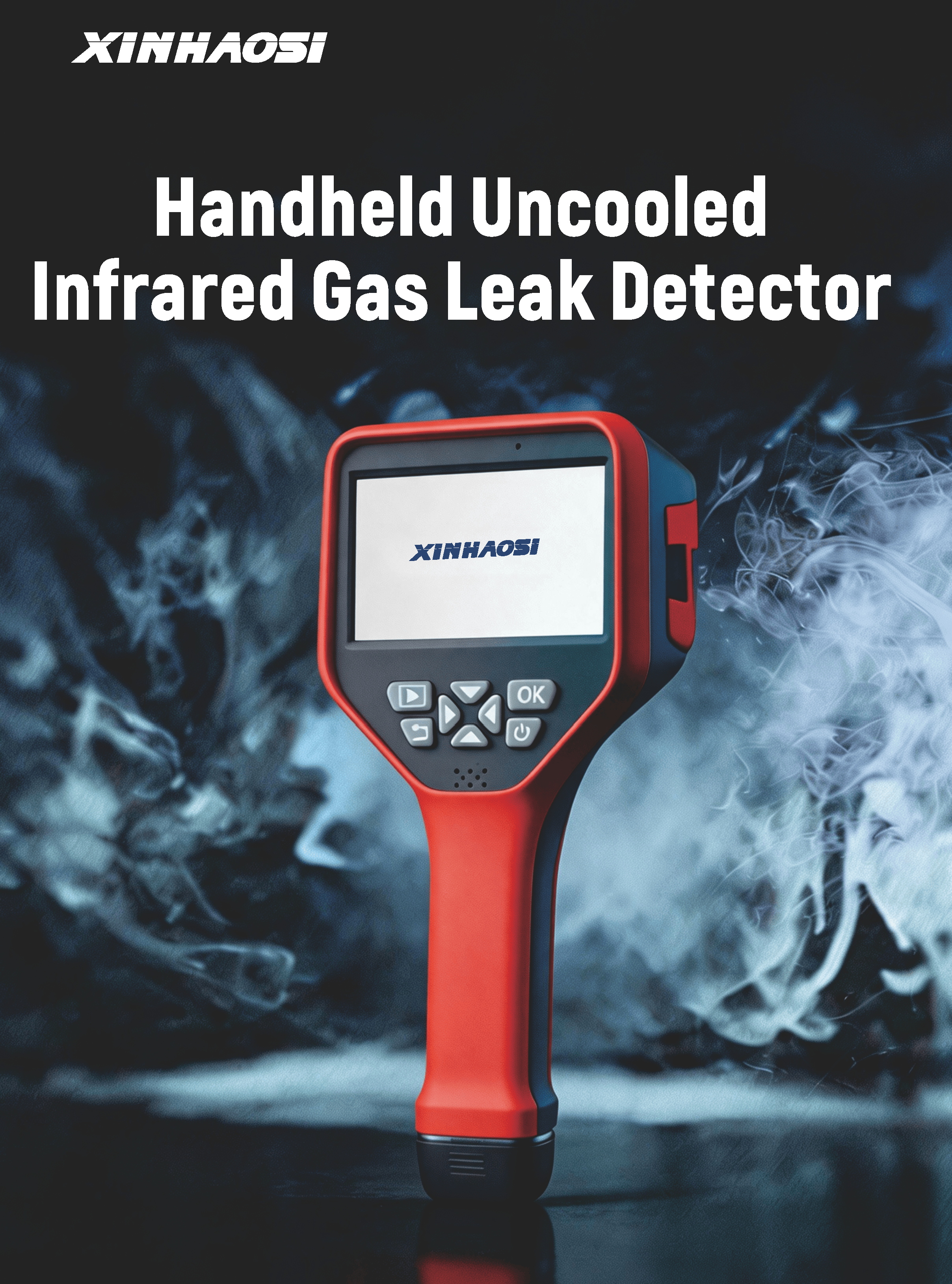
Xinhaosi Launches New Handheld Uncooled Infrared Gas Leak Detector

Xinhaosi Launches New Handheld Uncooled...

Xinhaosi Electronic Detection Technology Co., Ltd. officially launched its new Handheld Uncooled Infrared Gas Leak Detector, featuring dual-technology fusion, ultra-fast response, and long-distance non-contact detection to enhance safety and efficiency in petrochemical, refrigeration, natural gas and industrial safety scenarios.
May 09, 2026
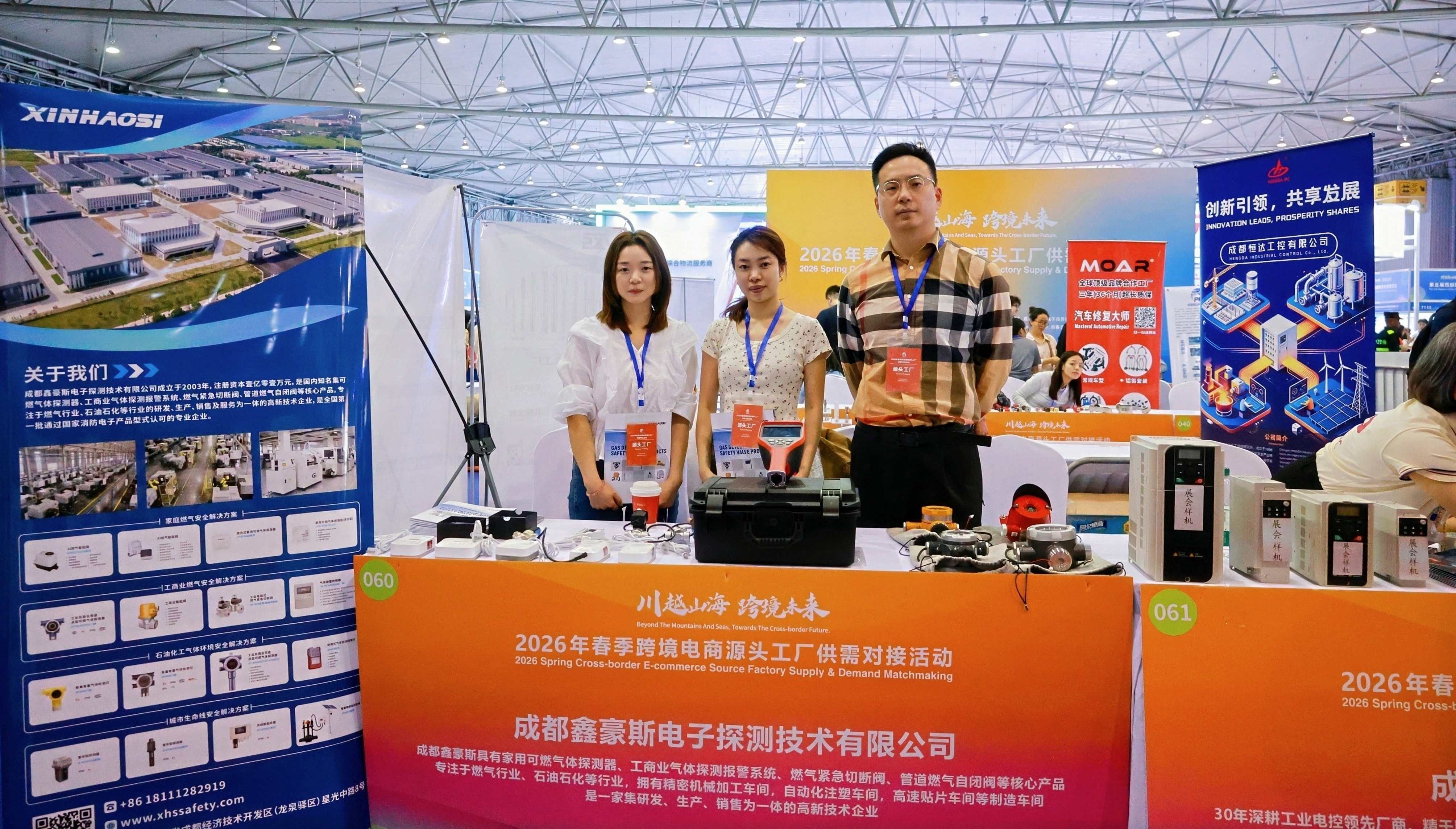
XINHAOSI Participates in the 5th West China Cross-Border E-Commerce Expo

XINHAOSI Participates in the 5th West...

XINHAOSI recently participated in the 5th Western China Cross-Border E-Commerce Expo held in Chengdu. The event brought together cross-border e-commerce platforms, global buyers, manufacturers, and supply chain companies, creating new opportunities for international business cooperation and overseas market development.

May 08, 2026
XINHAOSI Participates in 2026 Sichuan - Indonesia Industry Matchmaking Conference

XINHAOSI Participates in 2026 Sichuan...

XINHAOSI recently participated in the 2026 Sichuan (Chengdu) – Indonesia Industry Matchmaking Conference held in Chengdu. The event gathered enterprises and industry representatives from China and Indonesia to strengthen industrial cooperation and explore new business opportunities in Southeast Asia.

May 08, 2026

Explosion-Proof Control Units & Gas Shutoff Valves

Heavy-duty, factory-certified peripherals designed to interface with chlorine gas sensors and safety interlocks
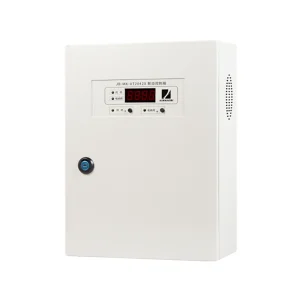
JB-MK-AT2042X Interlock Control Box

High-Quality China Interlock Control Box JB-MK-AT2042X - Top Suppliers & Factory for Reliable Automation Solutions Suppliers, Factory

View Details
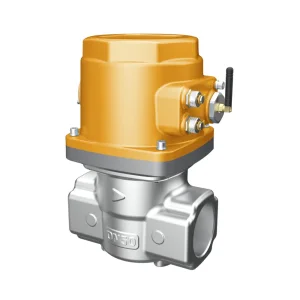
Smart AI Gas Safety Valve

High-Quality Industrial Smart AI Gas Safety Valve Supplier, Factory

View Details
OEM China Industrial Smart AI Gas Safety Valve

OEM China Industrial Smart AI Gas Safety Valve - Leading Suppliers & Reliable Factory Solutions for Enhanced Safety Supplier, Manufacturer

View Details
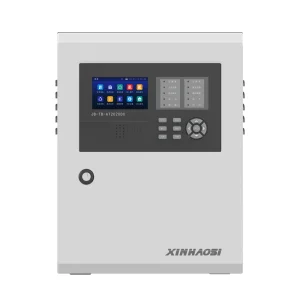
JB-TB-AT2020LH Gas Detector Controller

High-Quality China JB-TB-AT2020LH Gas Detector Controller - Reliable Supplies from Top Manufacturers and Factories Factories, Factory

View Details
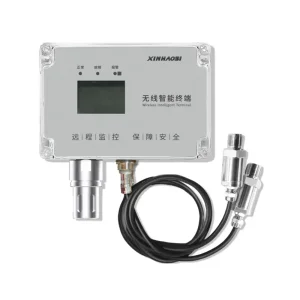
GT-AT0636 Series Wireless Intelligent Terminal

High-Quality China GT-AT0636 Series Wireless Intelligent Terminal - Leading Suppliers and Reliable Factory Solutions Supplier, Suppliers

View Details
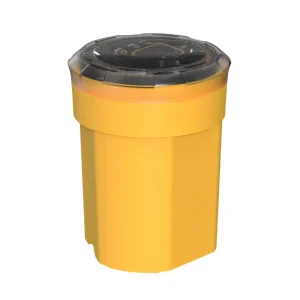
GT-AT0616 Series Underground Shaft Combustible Gas Monitoring Device

OEM China GT-AT0616 Series Underground Shaft Combustible Gas Monitoring Device - Reliable Suppliers & Factory Suppliers, Factory

View Details
JB-TB-AT2020DX Gas Detector Controller

High-Quality JB-TB-AT2020DX Gas Detector Controller from China Manufacturers, Reliable Suppliers & Factory Solutions for Safety Monitoring Supplier, Factories

View Details
XF3III Series Normally Open Industrial Gas Solenoid Valve

OEM China XF3III Series Normally Open Industrial Gas Solenoid Valve - Leading Suppliers & Factory Solutions Manufacturer, Factories

View Details