Premium OEM solutions engineered for residential, commercial, and heavy industrial integration.
Why Wireless Infrastructure is Dominating Safety Audits Globally
Across urban development, multi-family construction, and heavy industrial facilities, methane (natural gas) detection has undergone a rapid paradigm shift. Traditionally, residential and commercial gas alarms required hardwired alternating current (AC) power lines. While reliable, AC-dependent alarms suffer from critical structural liabilities: high installation costs, vulnerability to localized grid blackouts, and installation constraints that often place the detector far from the optimal methane accumulation path (methane is lighter than air and rises rapidly to ceiling level).
The rise of battery-powered natural gas alarms has solved these issues. Modern battery technology—specifically high-energy-density lithium-metal and lithium-thionyl chloride cells—has allowed safety alarm developers to engineer detectors that remain continuously operational for 5 to 10 years without requiring connection to mains power.
Furthermore, regulatory pressure is accelerating global adoption. Standards such as the NFPA 715 in North America and standard EN 50194 in Europe specify that combustible gas detectors must be placed closer to ceilings where methane pools. Battery-powered modules offer unmatched layout flexibility, ensuring safety managers can achieve strict compliance without excessive electrical re-wiring costs.
Balancing Power Limitations with Safety Reliability
Engineering an alarm that runs for a decade on a single battery pack requires specialized sensor technology. Factories that design OEM battery-powered natural gas alarms focus primarily on balancing current consumption and sensor longevity.
Widely trusted in industrial settings for measuring gas concentrations up to the Lower Explosive Limit (LEL). However, they require relatively high operating currents to heat the bead element, making them challenging for pure battery applications unless combined with sophisticated duty-cycle sleep algorithms.
Using ultra-small Micro-Electro-Mechanical Systems (MEMS) technology, these sensors run at a fraction of the thermal energy required by classic MOS components. Modern OEM factories leverage MEMS to construct micro-sized gas alarms with excellent reliability and low battery drain.
Non-Dispersive Infrared (NDIR) technology measures gas presence by absorption of light. It has no chemical drift, cannot be poisoned by household chemicals, and has a service life exceeding 10 years. Our factories utilize low-power pulsed infrared LEDs to enable battery operation.
To prevent false alarms from household solvents like aerosol sprays, cooking vapors, or cleaning alcohol, modern algorithms rely on advanced microcontrollers (MCU) built into the gas alarm modules. These MCUs continually compute mathematical baselines, ensuring true methane gas triggers the warning, while everyday environmental variance is discarded.
How China's Sensing Technology Hubs Drive Global Cost & Quality Control
When procurement managers look for an OEM battery powered natural gas alarm factory, China offers unrivaled vertical integration. The manufacturing ecosystem in electronics hubs provides end-to-end capabilities that significantly shorten time-to-market.
From plastic injection molding for flame-retardant housings (UL 94-V0) to high-speed Surface Mount Technology (SMT) lines for PCB assemblies, every component is sourced and processed within a 50km radius.
Gas sensors must be calibrated individually. Chinese factories use automated, closed-loop calibration chambers that feed precise gas ratios to verify sensor accuracy across temperatures, ensuring low ppm failure rates.
Leading companies like Xinhaosi maintain advanced laboratory setups to test sensors for long-term drift, humidity exposure, and drop survivability. This guarantees every unit exported is ready for real-world scenarios.
Future Ready


We utilize advanced electronic detection technology to make unknown gas leak risks clear and visible.
Founded in 2003, Xinhaosi is one of the most influential and reliable brands in gas safety industry. We provide customer-focused products and services to safeguard the safe operation of every factory, the comfort of every city, the peace and happiness of every home. Powered by cutting-edge production systems and technology, we deliver more advanced, intuitive, and precise gas safety solutions for shaping a safer future world.
More About UsIndustrial & Residential Multi-Tier Protection


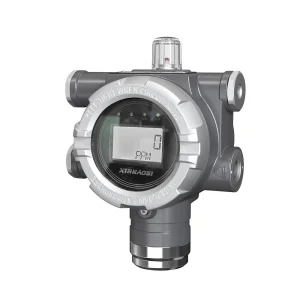
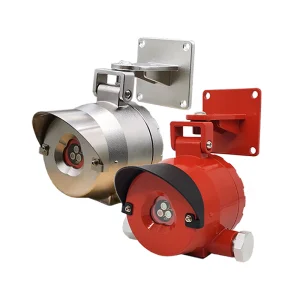
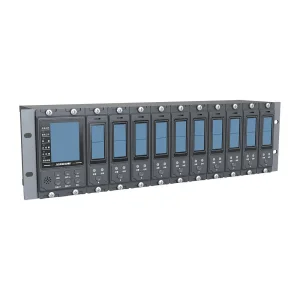
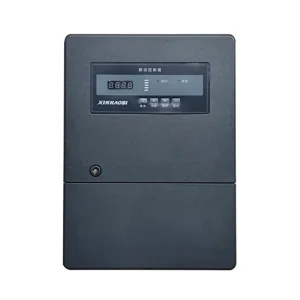
Detection Systems. Safety First from Precision Sensing.

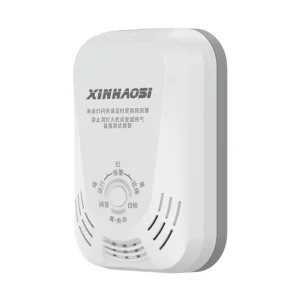
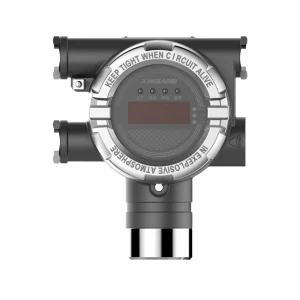
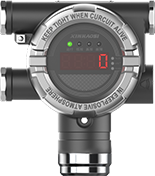
Gas Detectors. Home Safety from Gas Monitoring.
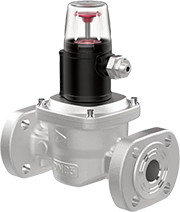
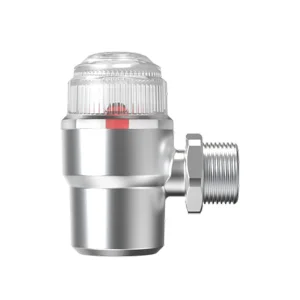
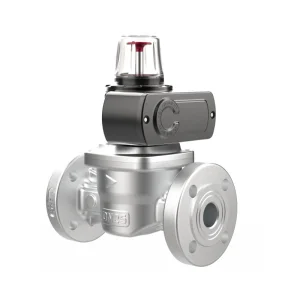
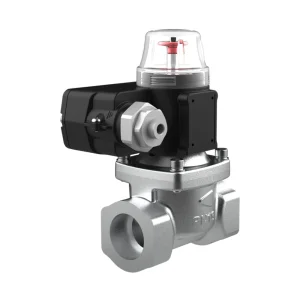
Gas Solenoid Valves. Protecting from the Source.
Empowered by technology, Full-chain integration, Comprehensive protection, Shaping the future with intelligence.
More About SolutionsEngineering Solutions Suited for Regional Building Standards
Integrating battery-powered gas alarms with smart ecosystems like Apple HomeKit, Zigbee, or Matter. In modern housing design, safety devices must install seamlessly on finished plasterboard without exposing unsightly wires.
In massive apartment complexes, wiring individual gas sensors back to a central mechanical room represents thousands of dollars in copper wiring. Wireless, battery-powered alarms with LoRaWAN or NB-IoT connectivity transmit system diagnostics and gas leaks directly to the facility manager’s console.
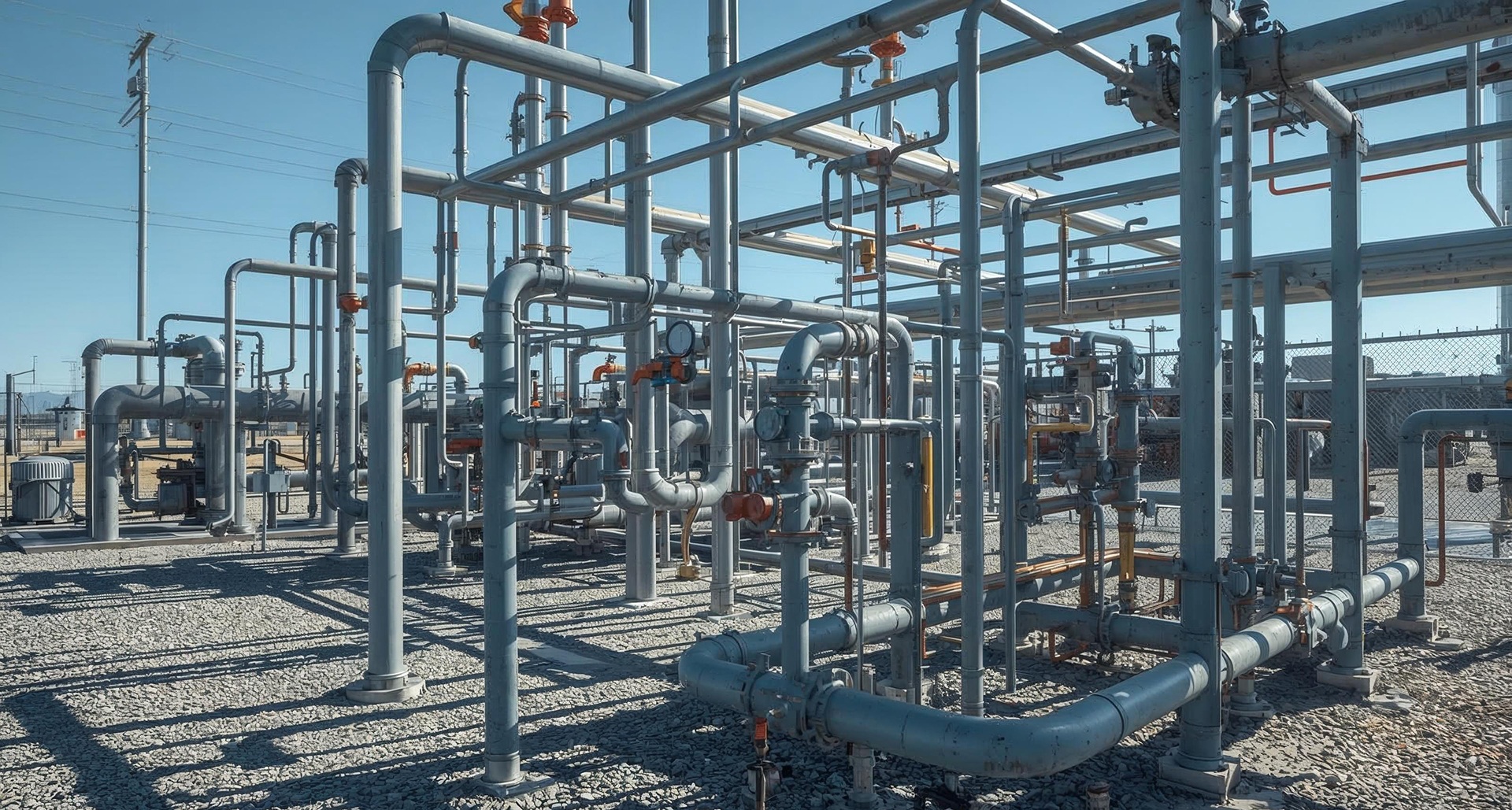
Methane transmission pipes and city pressure regulation vaults are often located in damp underground chambers with no grid access. IP65 or IP67 certified battery-powered alarms are the only viable safety solution here.
Evaluating Calibration Accuracy, Lifespan Guarantees, and Certifications
Procuring wireless gas alarms at a global scale requires strict validation of the factory's technical capabilities. Below is the checklist recommended by safety compliance officers:
Does the factory perform automated baseline calibration? Ask for verification of calibration curves across varying humidity levels (from 10% to 95% RH) to verify real-world robustness.
Verify that the MCU uses an ultra-low sleep architecture. A typical sensor sample should take less than 1 second, with the CPU instantly sleeping for the remaining duration to conserve battery.
The alarm should not only sound but also be able to wirelessly pulse a gas solenoid shut-off valve to stop leaks at the pipe source during emergencies.
The Shift Toward Smart Cities and Predictive Building Diagnostics
The landscape of natural gas detection is heading toward comprehensive IoT integration. Sensor hubs will no longer function as isolated beeping boxes on the wall; they will be part of a connected network. Key upcoming developments include:
Answers to Common Engineering, Supply Chain, and Calibration Inquiries
Stay tuned for the latest updates from Xinhaosi & the Industry.
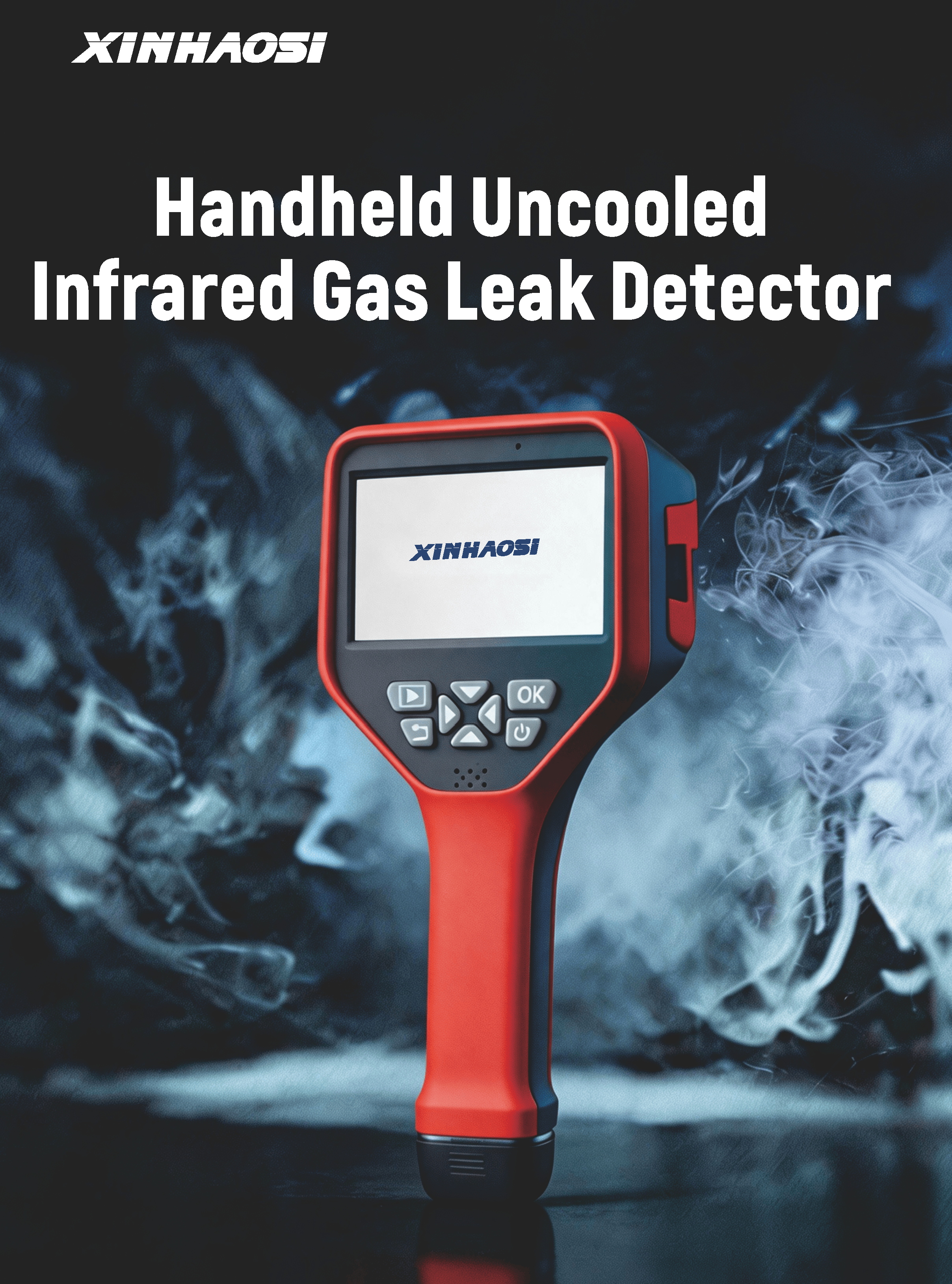
Xinhaosi Electronic Detection Technology Co., Ltd. officially launched its new Handheld Uncooled Infrared Gas Leak Detector, featuring dual-technology fusion, ultra-fast response, and long-distance non-contact detection...

XINHAOSI recently participated in the 5th Western China Cross-Border E-Commerce Expo held in Chengdu. The event brought together cross-border platforms, global buyers, and manufacturers...

XINHAOSI recently participated in the 2026 Sichuan (Chengdu) – Indonesia Industry Matchmaking Conference held in Chengdu. The event gathered enterprises from China and Indonesia...
Ensure seamless shutdown, monitoring, and communication loops with industrial-grade control integration.