Explore our premium grade gas safety controllers, monitoring sensors, and automated solenoid valves engineered for integration with 3/4 NPT piping systems.
The 3/4 NPT (National Pipe Thread) shut-off valve is an indispensable cornerstone in fluid and gas control systems worldwide. From municipal gas lines to complex petrochemical processing loops, the 3/4-inch thread specification acts as a standard junction point for medium-flow pipelines. Economically, urbanization and strict industrial safety standards (such as OSHA and ATEX directive updates) have driven the demand for high-reliability valves with automatic shut-off capabilities.
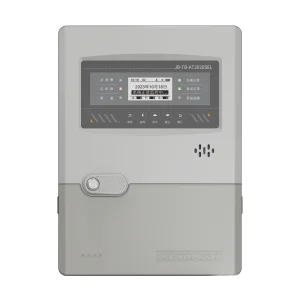
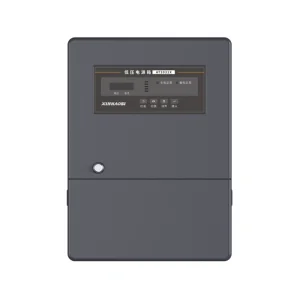
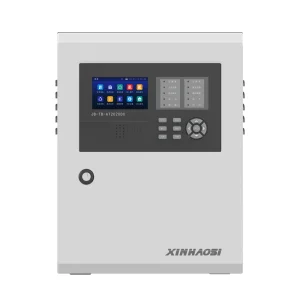
Globally, manufacturers are transitioning from purely mechanical components to hybrid mechatronic systems. These systems can communicate with central safety interfaces, such as the OEM China JB-TB-AT2020SEL Gas Detector Controller, ensuring that in the event of a hazardous leak, fuel and pressure are cut off in milliseconds. The industrial supply chain relies heavily on Chinese manufacturing hubs that combine cost-effective, high-precision CNC machining with internationally recognized material certifications (ASTM, ASME, and EN standards).
Engineered 3/4 NPT valves must align with global standards to qualify for hazardous deployments. Key standards include:
A deep dive into the mechanical properties, body materials, and flow dynamic profiles that define a industrial-grade valve.
Depending on the medium (natural gas, hydrogen, corrosive chemicals, or steam), the choice of valve body material is critical. Brass is standard for commercial gas applications, while 316 Stainless Steel (CF8M) is utilized for high-pressure, corrosive industrial installations. Special attention is paid to seat materials: PTFE offers excellent chemical resistance, while Peek is reserved for extreme temperatures up to 250°C.
Proper NPT threads require a taper of 1 in 16 (0.75 inches per foot). This taper forces the thread flanks to compress together, creating a dry mechanical seal. OEM manufacturers deploy automated CNC threaders to verify L1 and L2 gauges, minimizing thread deformation and ensuring leak-free connections under high vibrations.
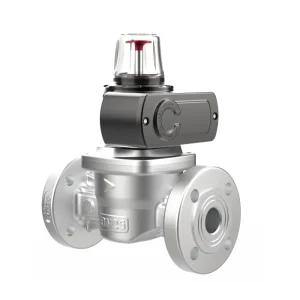
For safety shut-off valves, design priority dictates their fail-safe state. Normally Closed (NC) solenoid valves shut off flow when power fails, widely used in liquid fuel lines. Normally Open (NO) variants, such as the KT-XF5 Series Industrial Gas Solenoid Valve, remain open during operation and only snap shut upon receiving an electrical impulse from a gas detector controller during emergencies.
Founded in 2003, Xinhaosi utilizes advanced electronic detection and actuation systems to make gas leak risks clear and visible.
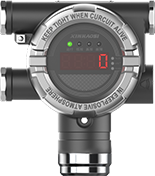
Detection Systems & Safety First from Precision Sensing

Gas Detectors & Home Safety Monitoring
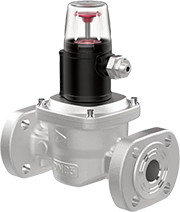
Gas Solenoid Valves Protecting from the Source
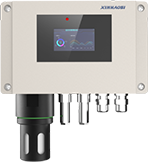
Smart Sensing for Distribution & Monitoring
In modern industrial gas protection circuits, manual lever valves are insufficient for real-time safety. Automated safety loops utilize electromagnetically actuated solenoid shut-off valves. Upon receiving electrical input, a copper coil creates a magnetic field that moves the internal steel plunger to open or close the valve seat orifice. Here is the operational mechatronic roadmap for modern gas shut-off operations:
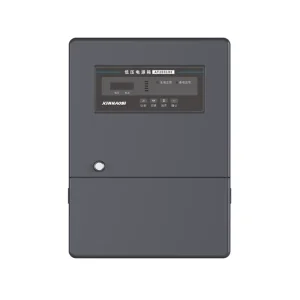
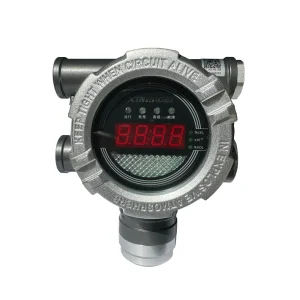
Gas monitors like the AT0605 Series Combustible Gas Monitor track atmospheric concentrations. If the gas concentration exceeds safe thresholds (e.g., 20% LEL), the controller triggers a relay signal.
The control panel sends a 24VDC or 220VAC electrical pulse to the solenoid valve. The instantaneous electrical charge activates the copper coil within milliseconds.
The valve core drops, using system pressure to seal the orifice. Internal elastomer diaphragms (NBR or Viton) seal against the 3/4 NPT threads, achieving bubble-tight zero leakage.
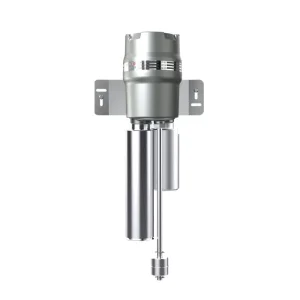
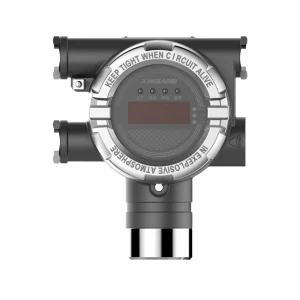
For chemical and mining environments, the threat of ambient gas mixtures requires all electrical actuators to be explosion-proof. The integration of High-Quality Explosion Proof Combustible Gas Detectors with certified ATEX Ex d IIC T6 solenoid valves ensures that the actuation of the valve does not ignite the gas surrounding the equipment.
Real-world deployment strategies of 3/4 NPT safety loops across critical industries.
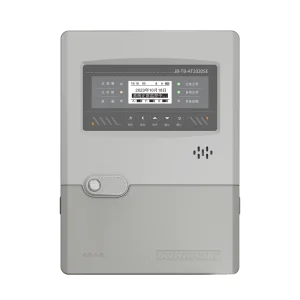
In residential and commercial complexes, gas safety is vital. High-pressure supply lines drop down to 3/4" pipelines before entering individual properties. Coupling a JT-AT2008 Series Household Combustible Gas Detector with a 3/4 NPT shut-off valve near the primary inlet prevents domestic gas line bursts. The system automatically cuts off the gas supply inside the riser pipe before leaks reach hazardous levels.
Petrochemical refining processes require materials to withstand corrosive vapors and high temperatures. In these environments, 316SS 3/4 NPT shut-off valves are used on instrument purge loops and chemical feedlines. Operating with intelligent gateways like the OEM FDG-X304SE Intelligent Data Gateway, safety systems track pressure differentials and automatically shut down lines if an anomaly is detected.
Underground operations face dangerous levels of accumulated methane. Systems like the GT-AT0616 Series Underground Combustible Gas Monitoring Device monitor methane accumulation and trigger 3/4 NPT shut-off valves in pneumatic utility and equipment lines, preventing spark-induced explosions.
Engineers and procurement teams must evaluate precise performance metrics when choosing a 3/4 NPT shut-off valve. Below is an engineering overview comparing configurations for safety-critical installations:
| Parameter / Feature | Standard Brass Solenoid | Stainless Steel Ball Valve | Ex-Proof Pneumatic Shut-off |
|---|---|---|---|
| Connection Size | 3/4 Inch NPT (Male/Female) | 3/4 Inch NPT (Female) | 3/4 Inch NPT or Flanged |
| Nominal Pressure (PN) | PN16 (Up to 232 PSI) | PN64 (Up to 1000 PSI) | PN100 (Up to 1500 PSI) |
| Body Material Options | HPb59-1 Forged Brass | ASTM A351 CF8M / 316 SS | 316L SS / WCB Carbon Steel |
| Sealing Gasket | NBR / FKM (Viton) | PTFE / PEEK | Stellite Metal-to-Metal / Peek |
| Explosion Protection | Ex mb IIC T4 Gb (Optional) | Manual (N/A) | Ex d IIC T6 Gb (Standard) |
Empowered by technology, full-chain integration, and comprehensive protection, we shape the future with intelligence. Our systems connect gas detection, emergency shut-off valves, and centralized reporting gateways into a unified safety network.
"Safeguarding the operation of every factory, the comfort of every city, and the peace of every home since 2003."
A complete safety setup includes:
Browse detailed insights and answers from our senior engineering team on valve integration, maintenance, and compliance.
The flow coefficient (Cv) varies by structural design. A standard 3/4" full-port ball valve typically offers a Cv range between 28 and 35, showing minimal pressure drops. In contrast, 3/4 NPT solenoid valves generally have a Cv between 4.5 and 7.5 due to internal orifice restrictions. Ensure the design pressure matches these flow characteristics.
To seal NPT threads, apply a PTFE thread sealant tape or an anaerobic pipe sealant compound to the male threads. Start one or two threads back to prevent the sealant from getting inside the flow path. Torque the connection according to engineering standards (typically 2 to 3 turns past hand-tight) to deform the tapered threads slightly, creating a reliable mechanical seal.
Standard solenoid valves can generate electrical sparks inside the coil housing during operation. Explosion-proof solenoid valves feature heavy-duty iron, steel, or encapsulated polymer enclosures (ATEX/IECEx certified, Ex d or Ex m). These housings are designed to contain any internal explosion, preventing it from igniting gases or dust in the surrounding atmosphere.
No, standard brass valves should not be used in sour gas environments (gas containing H2S). High levels of hydrogen sulfide cause stress-corrosion cracking in copper alloys. For sour gas applications, select stainless steel valves that comply with NACE MR0175/ISO 15156 standards.
The automatic shut-off mechanism is triggered by an electrical relay or current output from a gas detector controller, such as the JB-TB-AT2020SEL. When the controller detects gas concentrations exceeding safety levels (typically 20% LEL), it closes a relay, sending an electrical pulse to cut off the solenoid valve.
We work with international safety organizations and distributors to deliver certified gas control systems.












Stay informed with the latest updates from Xinhaosi and the global gas safety industry.
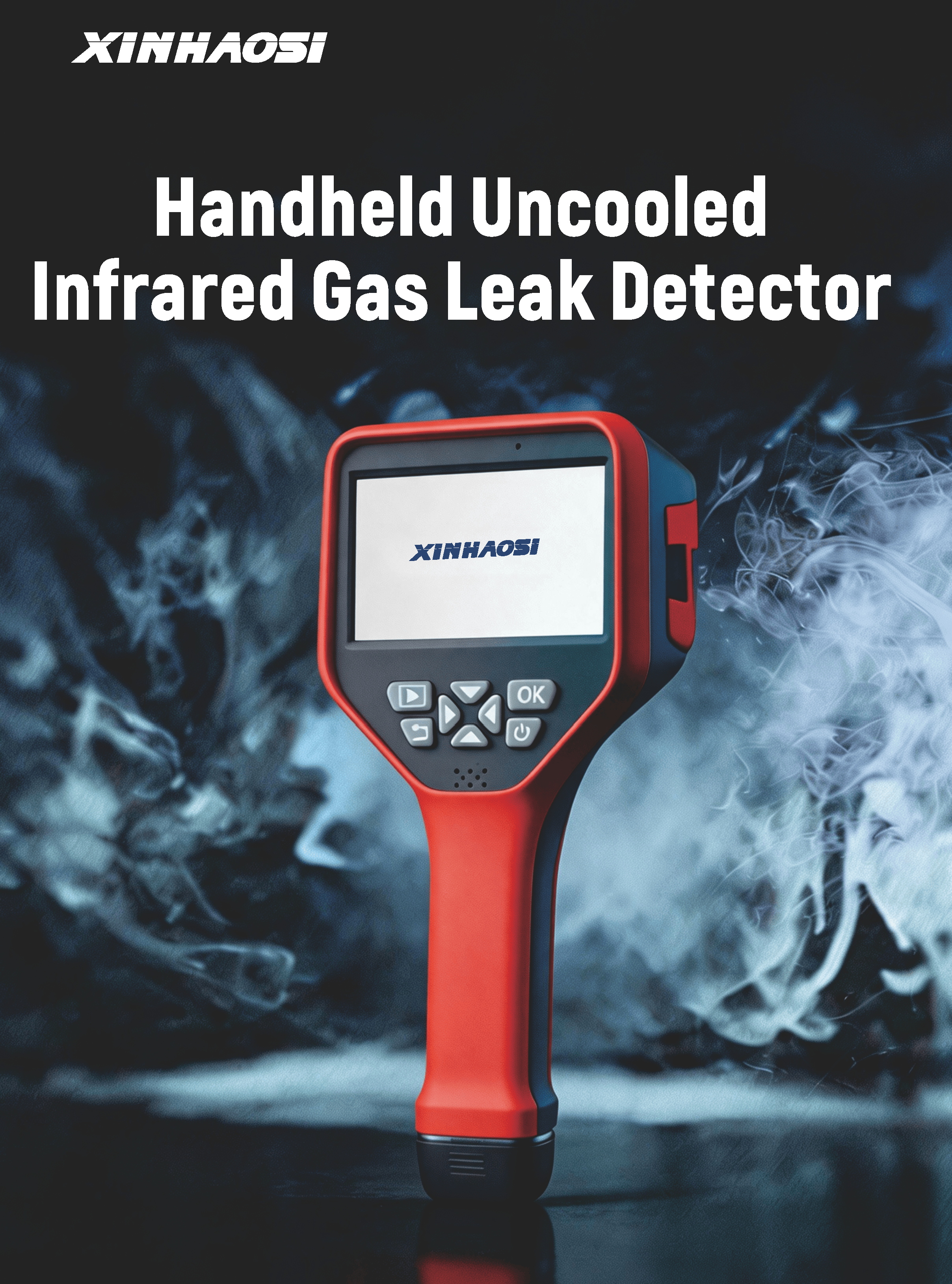
Featuring dual-technology fusion, rapid response times, and long-distance non-contact detection, our new gas leak detector helps improve safety and efficiency across petrochemical, refrigeration, and natural gas installations.

We recently participated in the expo in Chengdu, connecting with global buyers and manufacturers to expand international cooperation and explore new overseas markets.

We met with enterprise and industry representatives in Chengdu to strengthen industrial cooperation and explore new business opportunities across Southeast Asia.
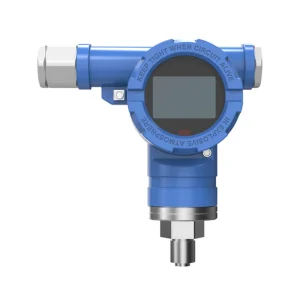
Complete your instrumentation setup with our certified gas detector controllers, high-precision transmitters, and safety components.