
Reliable components engineered for seamless integration in commercial, residential, and heavy industrial applications.
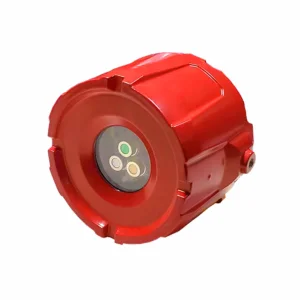 High-Quality IFD2020 Flame Detector Manufacturers, Factories
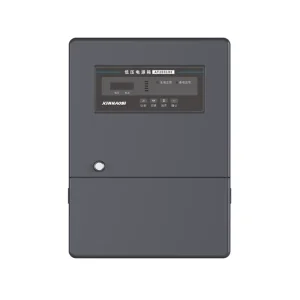 High-Quality AT2031XE Low Voltage Power Box Suppliers, Factories
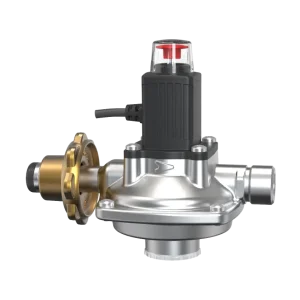 High-Quality JYT0.6-1/2 Bottled Liquefied Petroleum Gas (LNG) Regulator Manufacturers, Factory
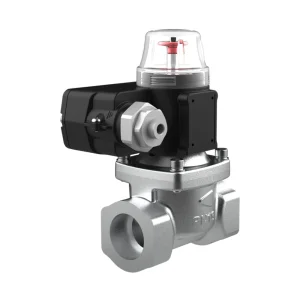 High-Quality Industrial Gas Solenoid Valve Normally Opened XF5III Series Supplier, Factories
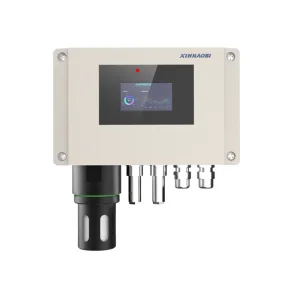 High-Quality China GT-AT0637 Wireless Smart Pressure Monitor - Reliable Suppliers and Factory for Precision Measurement Solutions Supplier, Manufacturers
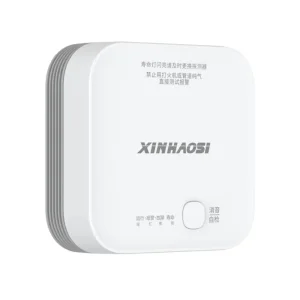 High-Quality China Suppliers JT-AT2018 / JT-2028 / JT-AT2058 Series Household Combustible Gas Detectors from Factory Manufacturers, Factory
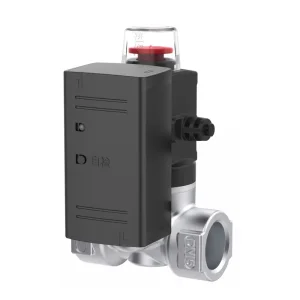 High-Quality China Suppliers Factory Dry Battery Type Wireless Solenoid Valve for Household Use Supplier, Suppliers
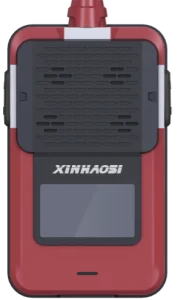 High-Quality Explosion Proof Portable Gas Detector- XM314 Supplier, Factory
Analyzing flow kinetics, electromagnetic properties, and material specifications required for fail-safe configurations.
A 3/4" Normally Closed (NC) Solenoid Valve is an electromechanical control device designed to isolate fluid or gas flows when de-energized. In a normally closed state, an internal spring presses the plunger or diaphragm assembly directly onto the valve seat, establishing a bubble-tight seal. Upon receiving an electrical signal, the electromagnetic coil generates a magnetic field, pulling the plunger upward to overcome spring resistance and open the passage. This process requires precise sizing, magnetic force calculations, and elastomer selections to ensure reliability across millions of cycles.
For global OEMs, specifying a 3/4" solenoid valve involves fine-tuning multiple parameters. Selecting the right body materials and seal options ensures chemical compatibility and long-term durability in harsh working environments:
| Body Material | Standard Seal elastomer | Typical Media Compatibility | Operating Temperature Range |
|---|---|---|---|
| Forged Brass (CW617N) | NBR / Viton (FKM) | Natural Gas, LPG, Water, Light Oils, Air | -10°C to +80°C (NBR) / +120°C (Viton) |
| 316 Stainless Steel | PTFE / Viton | Corrosive Biogas, Steam, Acidic Media, Chemicals | -20°C to +180°C |
| Cast Aluminum Alloy | NBR | Low-pressure Municipal Fuel Gas, Air | -15°C to +60°C |
How modern process plants, gas safety networks, and smart cities utilize 3/4" NC Solenoid Valves to achieve end-to-end safety.
In modern industrial safety, the 3/4" NC solenoid valve serves as a crucial shutdown device. It is rarely used as a standalone component; instead, it is integrated into comprehensive functional safety networks, working alongside combustible gas detectors, pressure monitoring nodes, and flame detectors (such as the IFD2020 Flame Detector). Under normal operating conditions, these systems remain energized (for fail-safe loops) or configured with manual-reset solenoid valves that close automatically when power is cut or when a gas detector triggers an alarm.
Integrating wireless smart pressure monitors (such as the GT-AT0637) and automated 3/4" shut-off valves enables remote pressure monitoring and emergency isolation for city gates, minimizing human response times.
Petrochemical facilities use stainless steel, explosion-proof NC solenoid valves to isolate explosive atmospheres. These valves comply with international IECEx and ATEX standards, ensuring safe operation in Zone 1 and Zone 2 hazardous locations.
Integrating household combustible gas detectors with low-power wireless solenoid valves provides immediate source isolation in residential settings, preventing gas leaks from escalating into fire hazards.
From a global commercial perspective, manufacturers are moving beyond producing standalone hardware. The industry is shifting toward comprehensive functional systems that combine sensing, analysis, and execution. By pairing a 3/4" Normally Closed Solenoid Valve with advanced gas detection equipment, systems can respond to leaks in milliseconds. This integration prevents hazardous gas accumulation and maintains a safe environment in industrial processes and smart municipal networks.
Navigating different pipeline connection standards and strict certifications across global markets.
Industrial flow control components must meet local regulations and safety standards. A 3/4" solenoid valve shipped to the European Union requires CE and ATEX certifications for explosive environments. In North America, the same valve must comply with UL, CSA, and FM approvals. Understanding these regional requirements is critical for global OEM suppliers.
In addition to electrical certifications, thread and connection standards differ by region. Installing a valve with mismatched threads can cause installation delays and increase leak risks:
Future Ready


Founded in 2003, Xinhaosi is one of the most influential and reliable brands in the gas safety industry. We provide customer-focused products and services to safeguard the operations of factories, cities, and homes. Powered by advanced production systems and sensing technology, we deliver reliable gas safety solutions for a safer world.
More About UsEmpowered by technology, full-chain integration, and comprehensive protection.
Looking ahead at next-generation features: Smart diagnostics, energy-saving coils, and IoT integrations.
Solenoid valve technology is evolving to meet the demands of modern industrial automation. Traditional solenoid valves can consume significant power when held open or closed for long periods, which generates heat and accelerates coil wear. The industry is addressing these challenges through several technological advancements:
New designs use dual-winding or pulse-width modulation (PWM) coils. These systems apply a high surge current to initiate valve actuation, then drop to a lower holding current. This reduces energy consumption and thermal stress on the coil.
Smart city systems and smart gas meters increasingly use battery-powered wireless latching solenoid valves. These valves only require a brief electrical pulse to switch positions (open or closed) and remain in that state without continuous power draw, extending battery life in remote locations.
Future industrial solenoid valves will include built-in diagnostic sensors. These sensors monitor coil temperature, response time, and current flow in real time. The data is shared with predictive maintenance systems via protocols like Modbus or IO-Link to prevent unplanned downtime.
Xinhaosi is tracking these industry developments, designing systems that combine smart electronics with mechanical flow control to ensure reliable operation in demanding environments.
Collaborating with leading global enterprises to build safer industrial networks.
























Stay updated on product launches, international events, and industry developments from Xinhaosi.
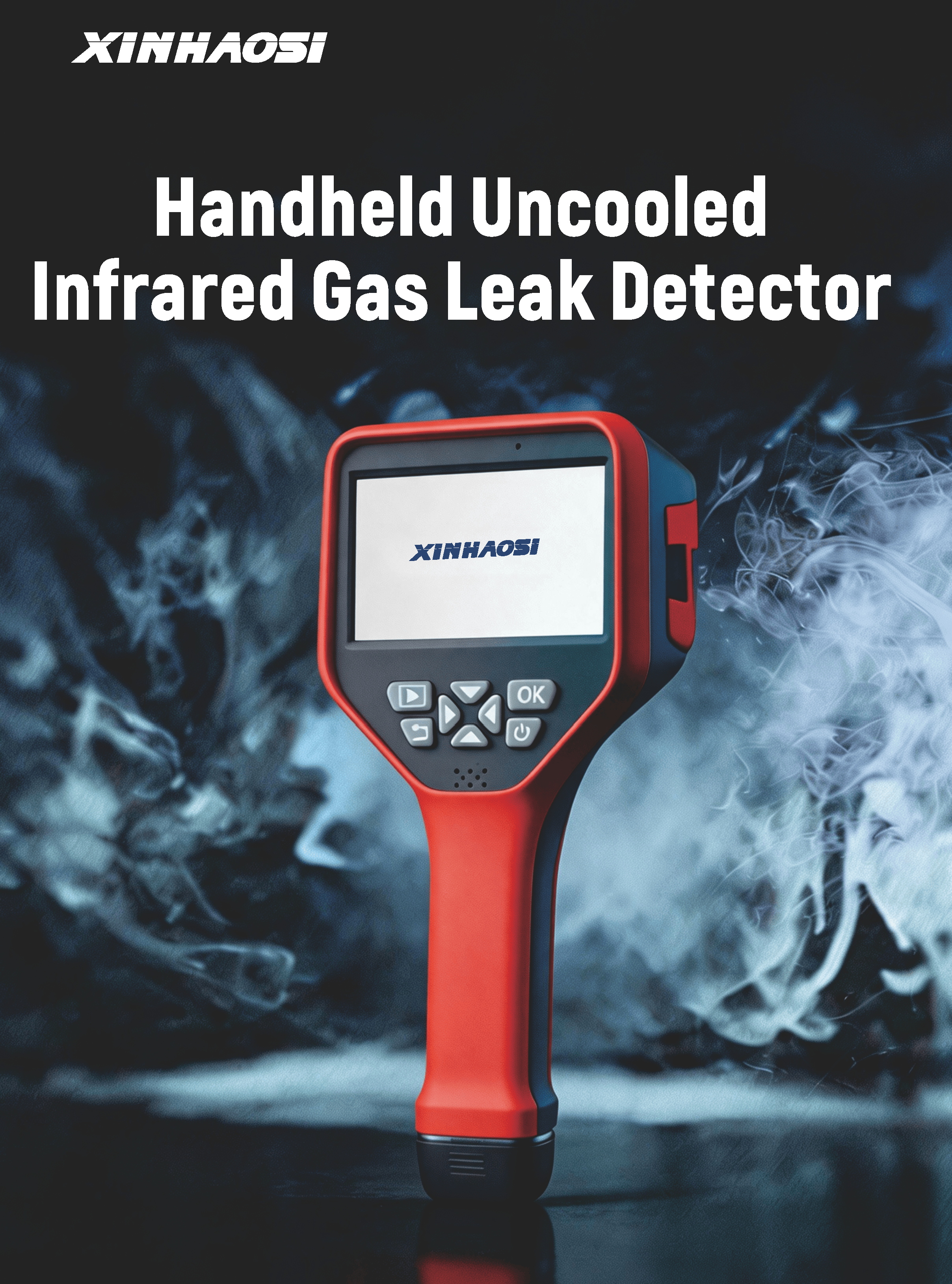
Xinhaosi Electronic Detection Technology Co., Ltd. officially launched its new Handheld Uncooled Infrared Gas Leak Detector, featuring dual-technology fusion, ultra-fast response, and long-distance non-contact detection to enhance safety and efficiency in petrochemical, refrigeration, natural gas and industrial safety scenarios.
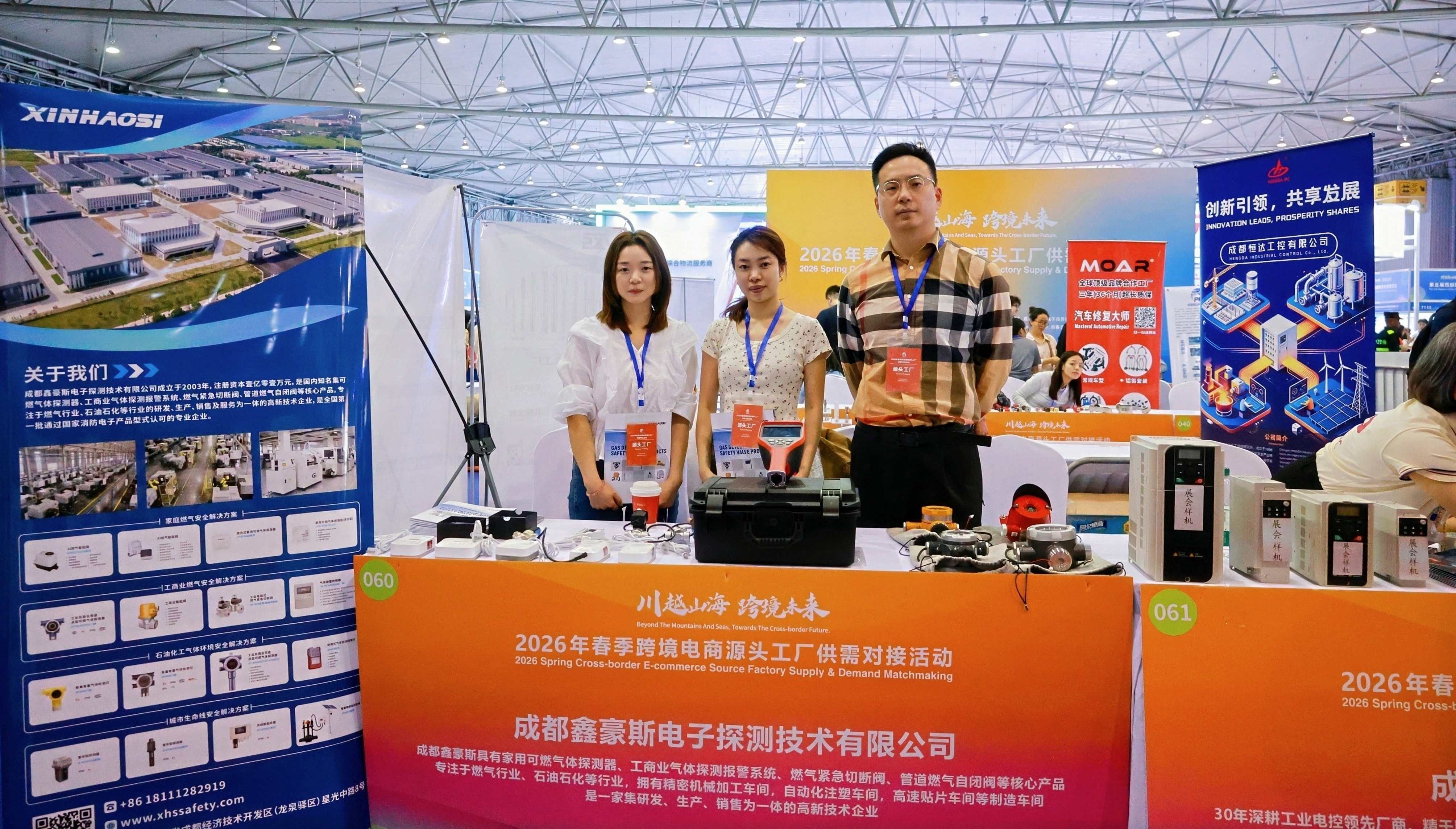
XINHAOSI recently participated in the 5th Western China Cross-Border E-Commerce Expo held in Chengdu. The event brought together cross-border e-commerce platforms, global buyers, manufacturers, and supply chain companies, creating new opportunities for international business cooperation and overseas market development.

XINHAOSI recently participated in the 2026 Sichuan (Chengdu) – Indonesia Industry Matchmaking Conference held in Chengdu. The event gathered enterprises and industry representatives from China and Indonesia to strengthen industrial cooperation and explore new business opportunities in Southeast Asia.
Technical guidance and solutions for selecting, installing, and maintaining 3/4" normally closed solenoid valves.
Explore our range of safety equipment, including explosion-proof detectors, wireless valves, and smart monitoring platforms.
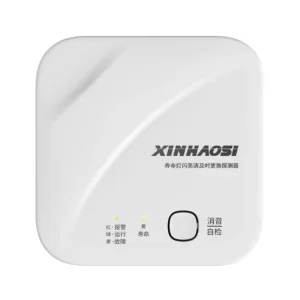 OEM China Suppliers Factory JT-AT2009 Series Household Combustible Gas Detector for Safety Monitoring Suppliers, Manufacturer
OEM Dry Battery Type Household Wireless Solenoid Valve Supplier, Factory
OEM China Suppliers Factory JT-AT2009 Series Household Combustible Gas Detector for Safety Monitoring Suppliers, Manufacturer
OEM Dry Battery Type Household Wireless Solenoid Valve Supplier, Factory
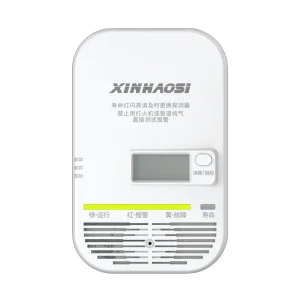 OEM JT-AT2066AK/B Household Combustible Gas Detector Manufacturer, Factories
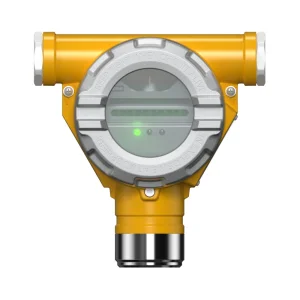 High-Quality China Suppliers GTYQ-AT0505 Explosion Proof Combustible Gas Detector from Reliable Factory Supplier, Manufacturers
OEM Household Combustible Gas Detector JT-AT2018/JT-2028/JT-AT2058 - Trusted China Suppliers & Factory Suppliers, Factories
High-Quality China Suppliers GTYQ-AT0505 Explosion Proof Combustible Gas Detector from Reliable Factory Supplier, Manufacturers
OEM Household Combustible Gas Detector JT-AT2018/JT-2028/JT-AT2058 - Trusted China Suppliers & Factory Suppliers, Factories
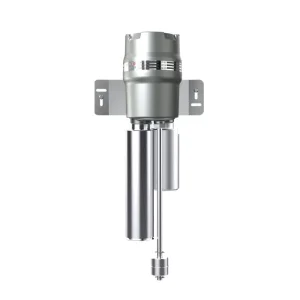 High-Quality China AT0605 Series Underground Shaft Combustible Gas Monitor - Reliable Suppliers & Factory Solutions Supplier, Manufacturers
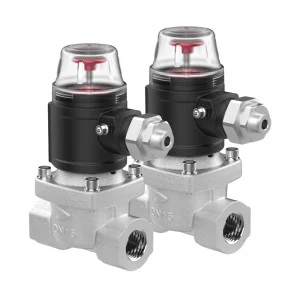 High-Quality China XF3III Series Normally Opened Industrial Gas Solenoid Valve - Reliable Suppliers & Factory Direct Solutions Manufacturer, Factories
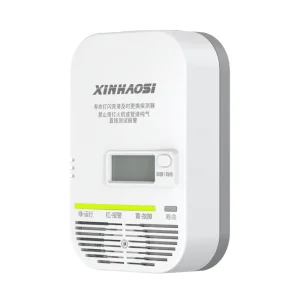 OEM JT-AT2006 Series Household Combustible Gas Detector Supplier, Manufacturer