Engineered for robust performance, critical compliance, and long-term operating durability under harsh conditions.
Comprehensive procurement insight for industrial health, safety, and compliance officers.
In the modern industrial paradigm, safe production protocols have shifted from passive response to proactive preventive operations. Across sectors such as chemical processing, oil & gas, pharmaceuticals, marine logistics, and wastewater treatment, global enterprises face stringent regulatory mandates to continuously monitor ambient environments for hazards. The demand for advanced gas detection units is driven not only by general corporate liability but by precise governmental regulations: OSHA (Occupational Safety and Health Administration) in the USA, the ATEX Directive in the EU, and the IECEx scheme globally.
Global procurement teams prioritize three critical factors when qualifying toxic gas detector suppliers and factories:
Standard gas detectors can trigger false alarms due to non-target gases present in the environment (e.g., carbon monoxide sensors reacting to hydrogen gas). Elite manufacturers build highly selective electrochemical and infrared sensors with proprietary catalyst formulations, reducing downstream operational interruptions caused by false positives.
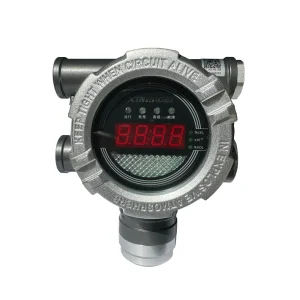
Installing non-certified devices inside explosive gas atmospheres creates a dangerous ignition risk. Heavy industry requires fixed gas detectors designed with explosion-proof (Ex d) or intrinsically safe (Ex i) enclosures capable of containing internal explosions or preventing sparking entirely.
Single-point monitoring is no longer sufficient. Industrial operations rely on networked instrumentation connecting back to Distributed Control Systems (DCS) or Supervisory Control and Data Acquisition (SCADA) networks. Modern factories must supply hardware utilizing 4-20mA, Modbus RTU/TCP, HART, or wireless IoT (LuraWAN/Zigbee) communications for real-time risk visualization.
Selecting the correct sensor type is critical to ensuring device reliability, environmental longevity, and preventing life-threatening system blind spots.
| Sensor Technology | Detection Mechanism | Primary Target Gases | Key Advantages | Known Limitations |
|---|---|---|---|---|
| Electrochemical (EC) | Chemical oxidation/reduction on working electrodes. | CO, H2S, Cl2, NH3, SO2, O2 depletion. | Ultra-high sensitivity in ppm range, linear output, low power draw. | Subject to cross-interference, limited operational lifespan, susceptible to drying out. |
| Catalytic Bead (Pellistor) | Catalytic oxidation of flammable gas on active bead. | Combustible gases (CH4, LPG, H2, LNG). | Simple, inexpensive, detects all combustible hydrocarbons. | Subject to sensor poisoning (silicones, lead, sulfur), requires oxygen to operate. |
| Non-Dispersive Infrared (NDIR) | Absorption of specific infrared light wavelengths. | CH4, CO2, Hydrocarbons. | Immune to sensor poisons, doesn't require oxygen, long lifespan. | Cannot detect diatomic gases like Hydrogen (H2), higher initial capital cost. |
| Photoionization (PID) | Ultraviolet lamp ionization of gas molecules. | Volatile Organic Compounds (VOCs), Benzene. | High-resolution detection in ppb/ppm range, rapid speed of response. | Non-selective (detects total VOC array), requires frequent cleaning of lamp window. |
How global factories implement layered protection using modern safety components.
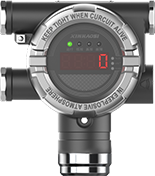
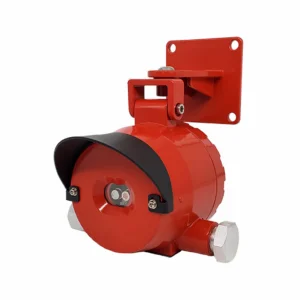
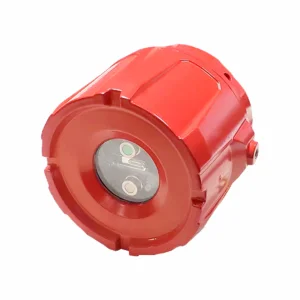
Multi-layered gas and flame systems configured with optical IR/UV flame detection and high-decibel audible-visual alarms (BJX series) protect refineries and offshore chemical installations from runaway accidents.
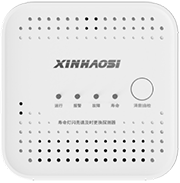
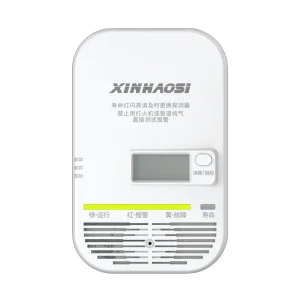
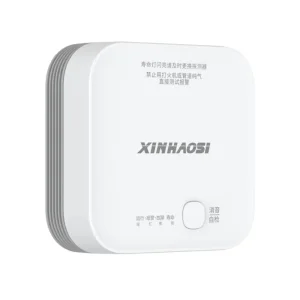
Commercial kitchens, residential high-rises, and boiler rooms use compact domestic combustible gas detectors (JT series) to trigger automatic shutoff valves before accumulation levels reach critical LEL.
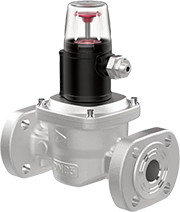
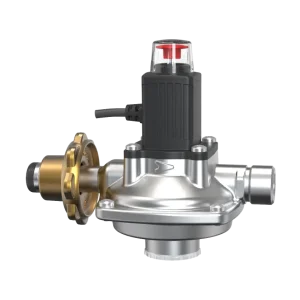
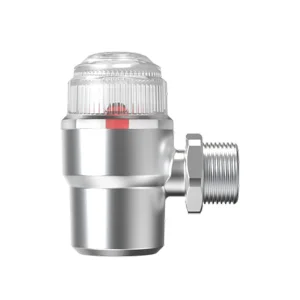
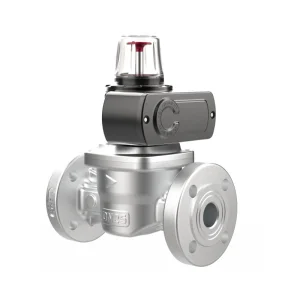
Fast-acting emergency solenoid valves (CT-XF5 series) automatically stop natural gas and LPG supply lines when leak alarms are registered, protecting downstream infrastructure from pressure surges.
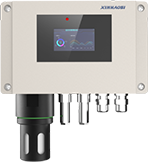
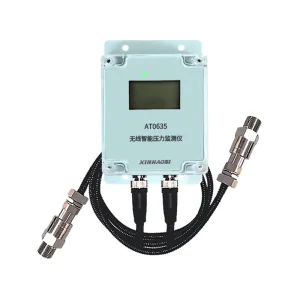
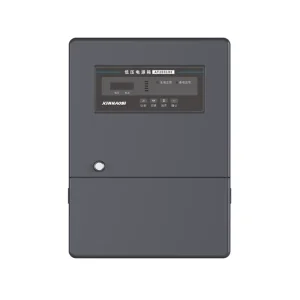
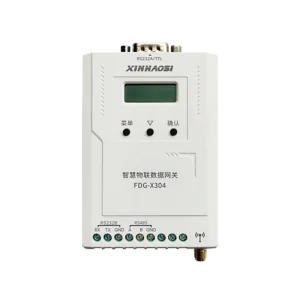
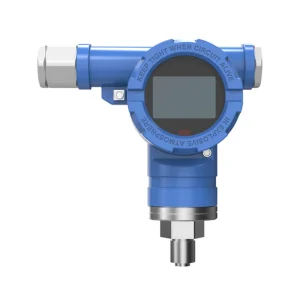
Wireless pressure monitoring terminals (AT0635) and IoT data gateways (FDG-X304) map underground urban gas grids, providing cloud-based analytics to prevent distribution loss and accidents.
Future-Ready Engineering Since 2003
Founded in 2003, Xinhaosi has established itself as an influential and reliable brand in the global gas safety industry. We provide customer-focused products and services to safeguard the safe operation of every factory, the comfort of every city, and the peace of every home. Powered by cutting-edge manufacturing processes and engineering technology, we deliver advanced, intuitive, and precise gas safety solutions to help shape a safer world.
Using advanced electronic detection systems and modern materials science, we make invisible gas risks visible and controllable. Our facilities utilize robotic calibration and environmental aging chambers to verify every sensor's performance prior to deployment.
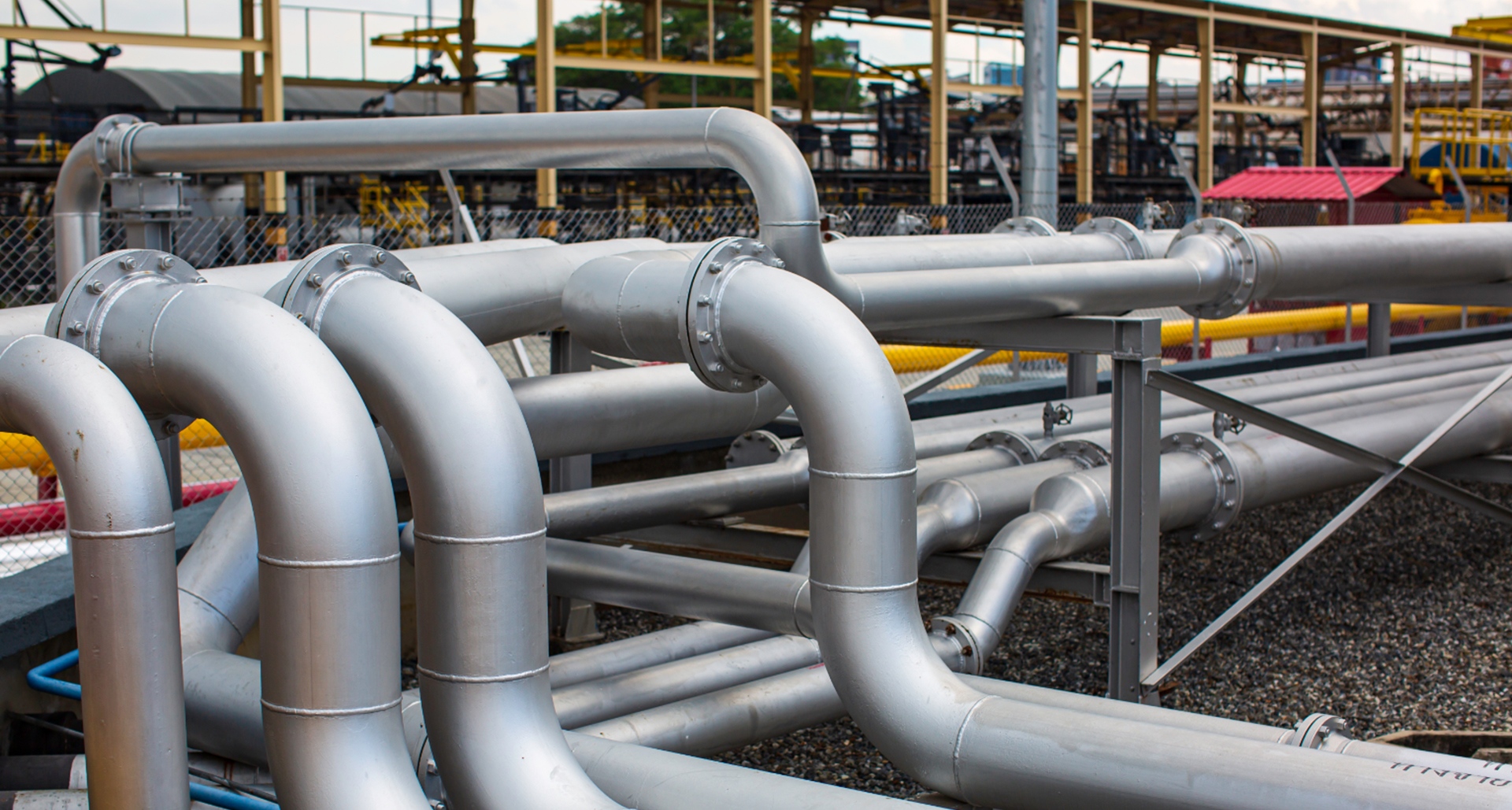
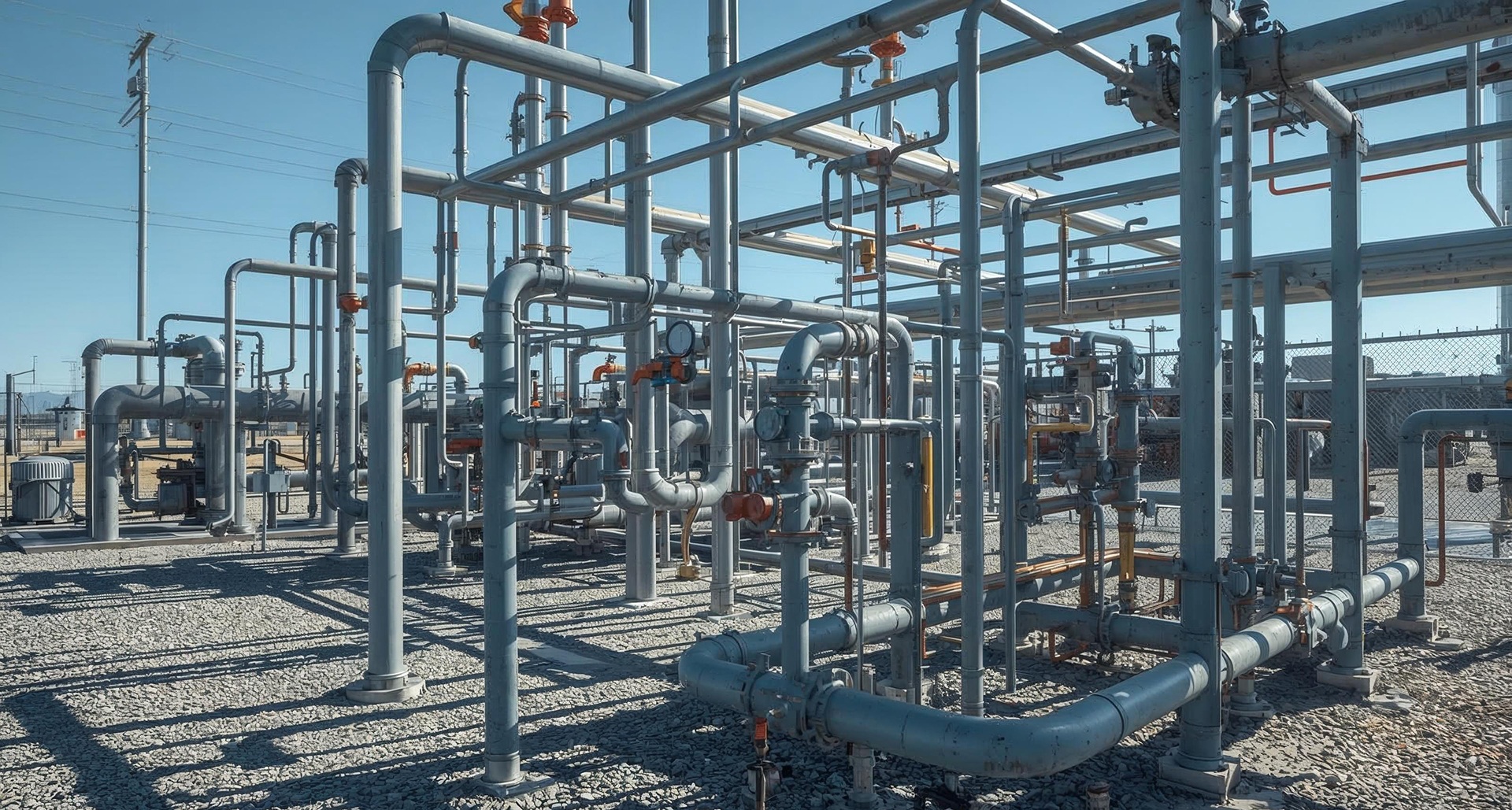


How IoT, machine learning, and optical technology are transforming modern safety infrastructure.
Fixed point detection is increasingly augmented by Optical Gas Imaging (OGI). Using uncooled infrared sensors, modern hand-held and fixed gas visualizers detect the thermal signature of gas clouds, showing gas leaks visually on a screen. This allows safety technicians to inspect process piping lines from safe distances of up to 50 meters, finding small leaks before they expand into hazardous clouds.
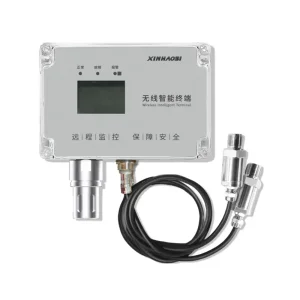
Power wiring accounts for up to 60% of fixed gas detector installation costs. New developments focus on low-power wireless terminals like the GT-AT0636, utilizing lithium battery cells and sub-GHz mesh networking protocols. These instruments run reliably for 2 to 3 years without battery replacements, reducing setup costs in remote fields, tank terminals, and long pipelines.
Connecting thousands of remote sensor nodes can bottleneck centralized control systems. Intelligent data gateways (such as the FDG-X304) process telemetry at the edge, converting raw voltage or Modbus data into actionable metrics. These edge gateways can trigger local relays, shut off gas valves, and stream telemetry values to cloud platforms via MQTT protocols.
Sensor failure remains a leading challenge in toxic gas monitoring. Future designs use digital health monitoring, analyzing internal sensor impedance to detect electrochemical drying or sensor poisoning. Operators receive preemptive warnings before a sensor fails, reducing unplanned maintenance and safety shutoffs.
Adhering to international standards to ensure product safety, quality, and regulatory compliance.
Every gas safety device is a critical life-saving device. At our manufacturing facility, we implement a multi-stage testing process. Sensors are tested in temperature-humidity chambers to verify accurate sensor calibration across different environmental conditions. Completed units undergo structural pressure testing and flameproof seal inspections to check their physical durability.
Final assembly tests simulate real gas releases. We expose each instrument to calibrated target gas mixtures, confirming that Response Time (T90), recovery speed, and alarm relay actuation times are within strict safety parameters before packaging.
Safety codes vary by country. Our global team works closely with safety engineers to adapt systems to local codes. Whether you need North American Class I Div 1 approvals, European ATEX standards, or specific regional requirements, we configure gas detectors, interlock boxes, and warning alarms to keep your facility compliant.
We support our equipment with complete documentation, including ATEX installation drawings, functional safety certificates, calibration procedures, and multilingual installation manuals to simplify audits and safety inspections.
Expert technical answers to common gas safety installation, operation, and maintenance questions.
Catalytic bead sensors oxidize target gas on an active bead, requiring oxygen to work and are susceptible to silicone or sulfur poisoning. Non-Dispersive Infrared (NDIR) sensors measure light absorption, are immune to sensor poisoning, work without oxygen, but cannot detect hydrogen gas (H2).
Typically, we recommend calibration every 6 months to adjust for natural sensor drift. In highly corrosive or dust-prone environments, monthly bump tests and quarterly calibrations ensure accurate readings and system safety.
Installation height depends on the density of the target gas relative to air. Light gases like methane (CH4) rise, so sensors should be mounted near the ceiling. Heavy gases like LPG, propane, or hydrogen sulfide (H2S) accumulate near the floor, requiring low-level mounting (30-50 cm off the floor).
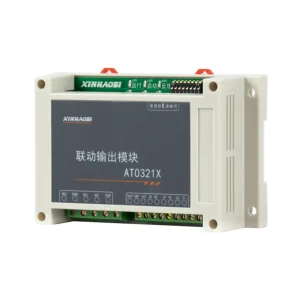
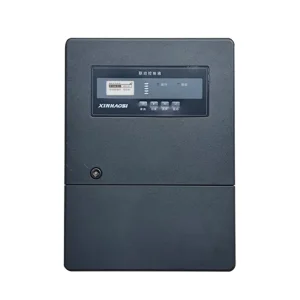
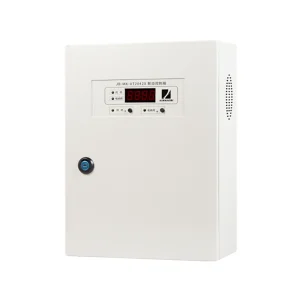
Control units like the JB-MK-AT2041X connect to gas detectors, alarms, and valves. When gas readings reach preset limits, the control box triggers visual alarms and automatically shuts downstream solenoid valves to isolate the leak at the source.
Yes, wireless terminals designed for hazardous areas feature intrinsically safe designs (Ex ia or Ex ib) that limit electrical energy, preventing ignition sparks even under hardware fault conditions.
SIL (Safety Integrity Level) ratings measure functional safety. A SIL2-certified gas detector meets international reliability targets, indicating a very low risk of failure when called upon during a safety emergency.
Stay tuned for the latest updates from Xinhaosi & the Industry.
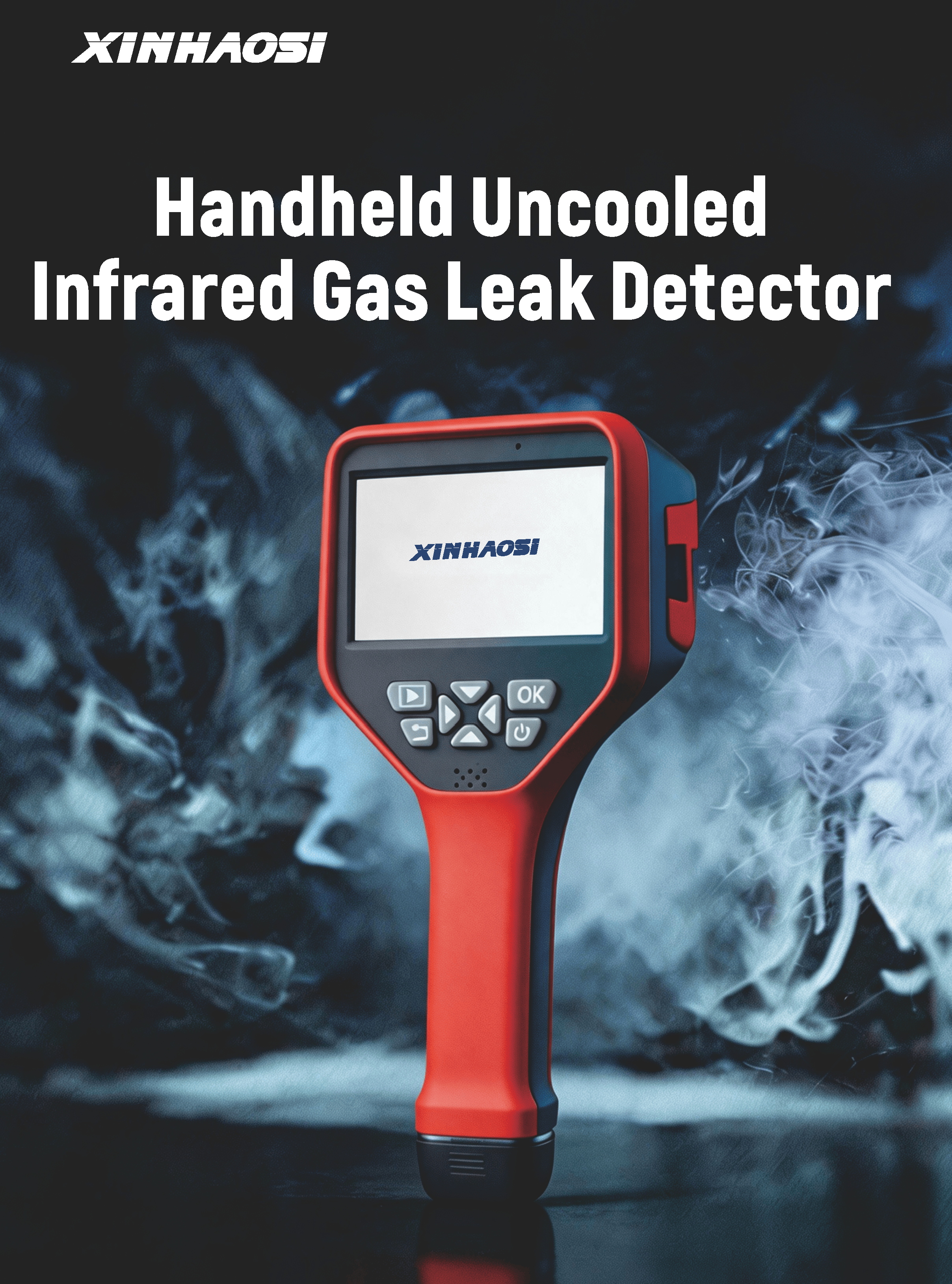
Xinhaosi Electronic Detection Technology Co., Ltd. officially launched its new Handheld Uncooled Infrared Gas Leak Detector, featuring dual-technology fusion, ultra-fast response, and long-distance non-contact detection to enhance safety and efficiency in petrochemical, refrigeration, natural gas and industrial safety scenarios.
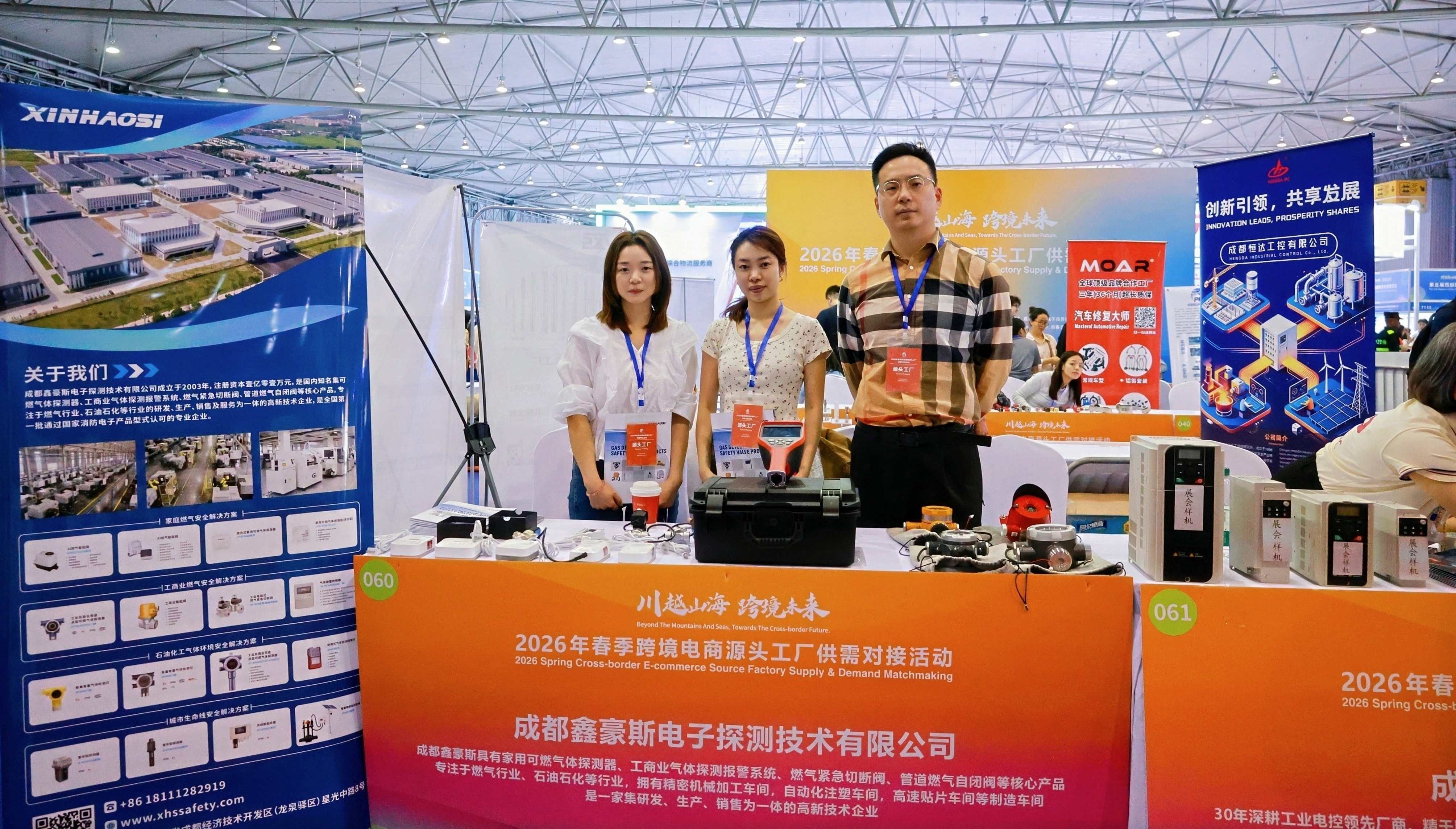
XINHAOSI recently participated in the 5th Western China Cross-Border E-Commerce Expo held in Chengdu. The event brought together cross-border e-commerce platforms, global buyers, manufacturers, and supply chain companies, creating new opportunities for international business cooperation and overseas market development.

XINHAOSI recently participated in the 2026 Sichuan (Chengdu) – Indonesia Industry Matchmaking Conference held in Chengdu. The event gathered enterprises and industry representatives from China and Indonesia to strengthen industrial cooperation and explore new business opportunities in Southeast Asia.
Explosion-proof instruments, gateways, and control electronics built for extreme industrial and municipal operations.
Supporting global infrastructure companies, EPC contractors, and municipal utilities worldwide.