Industrial grade automation systems engineered for hazardous environments and absolute gas safety management.
The manufacturing landscape for fluid control components, particularly solenoid valves, has entered a paradigm shift governed by automation, energy conservation, and predictive diagnosis. Modern solenoid valve factories are no longer just casting brass or winding copper wires; they are designing cyber-physical components ready to integrate seamlessly with Distributed Control Systems (DCS) and smart industrial gas systems. Industry 4.0 mandates that solenoid valves possess low power consumption footprints, lightning-fast response times, and fieldbus communication capabilities.
Solenoid valves serve as the muscle of automated systems, controlling critical processes in chemical factories, urban gas distribution pipeline networks, and domestic safety systems. As safety regulations tighten globally, the transition from basic electromechanical designs to smart, integrated safety systems has accelerated. These components are critical barriers against system overpressures, environmental contamination, and life-threatening leaks. By developing valves that communicate directly with micro-controllers and IoT gateways, modern factories ensure that unexpected failures are completely mitigated before they occur.
The key driving forces behind this engineering trend include the optimization of electromagnetic performance, the introduction of highly resilient elastomers, and advanced design topologies like pilot-operated structures. The integration of diagnostic sensors within the coil housing allows real-time monitoring of coil temperature and spool positioning, ensuring a dramatic leap in operational reliability across hazardous processing zones.

Future Ready

We utilize advanced electronic detection technology to make unknown gas leak risks clear and visible.
Founded in 2003, Xinhaosi is one of the most influential and reliable brands in gas safety industry. We provide customer-focused products and services to safeguard the safe operation of every factory, the comfort of every city, the peace and happiness of every home. Powered by cutting‑edge production systems and technology, we deliver more advanced, intuitive, and precise gas safety solutions for shaping a safer future world.
More About UsEnsuring end-to-end containment, detection, and mitigation of pipeline anomalies
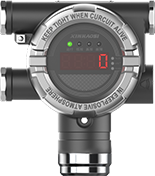
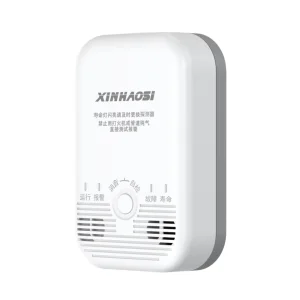
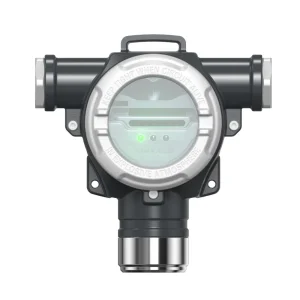
Detection Systems - Safety First from Precision Sensing
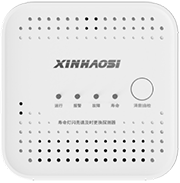
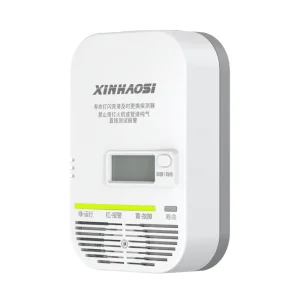
Home Safety from Gas Monitoring Solutions
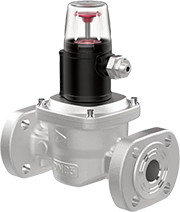
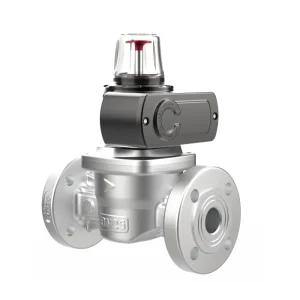
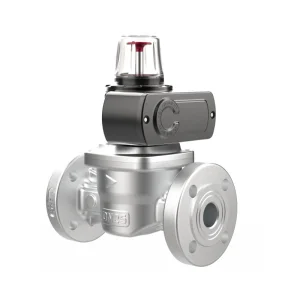
Protecting from the Source with Rapid Shut-off Valves
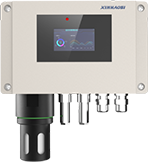
Smart Sensing and Automation for Urban Pipelines
When sourcing industrial solenoid valves and safety systems, global procurement officers look beyond basic unit cost. The primary criteria are long-term reliability (MTTF - Mean Time To Failure), strict adherence to safety standards (ATEX, IECEx, UL, CE), and material integrity. An industrial explosion-proof solenoid valve must function under harsh operating conditions, including temperature swings from -40°C to +80°C, corrosive atmospheres, and explosive dust concentrations.
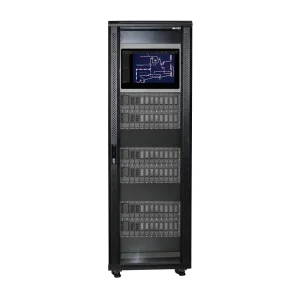
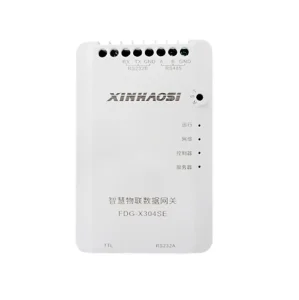
A reliable factory must perform extensive testing. Quality control procedures should include helium mass spectrometer leak testing, coil insulation diagnostic tests, and hydrodynamic flow profiling. In commercial and industrial applications, solenoid valves are paired with controllers and gateways (such as the FDG-X304SE Intelligent Data Gateway) to form integrated, responsive networks. When a safety risk is detected, the solenoid valve must actuate instantly, cutting off the gas supply within fractions of a second to prevent escalation.
Solutions
Empowered by technology, Full-chain integration, Comprehensive protection, Shaping the future with intelligence.
More About Solutions
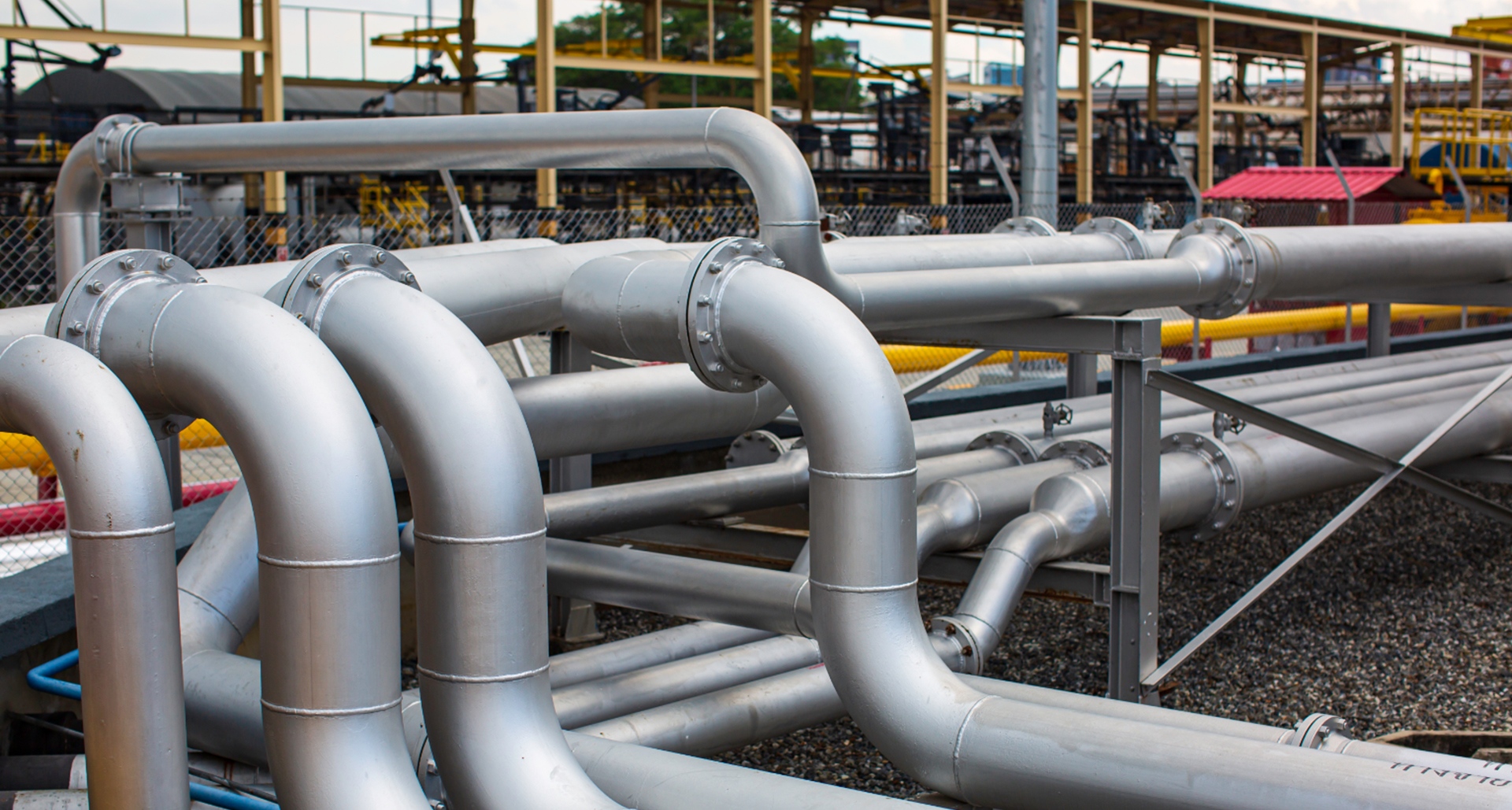
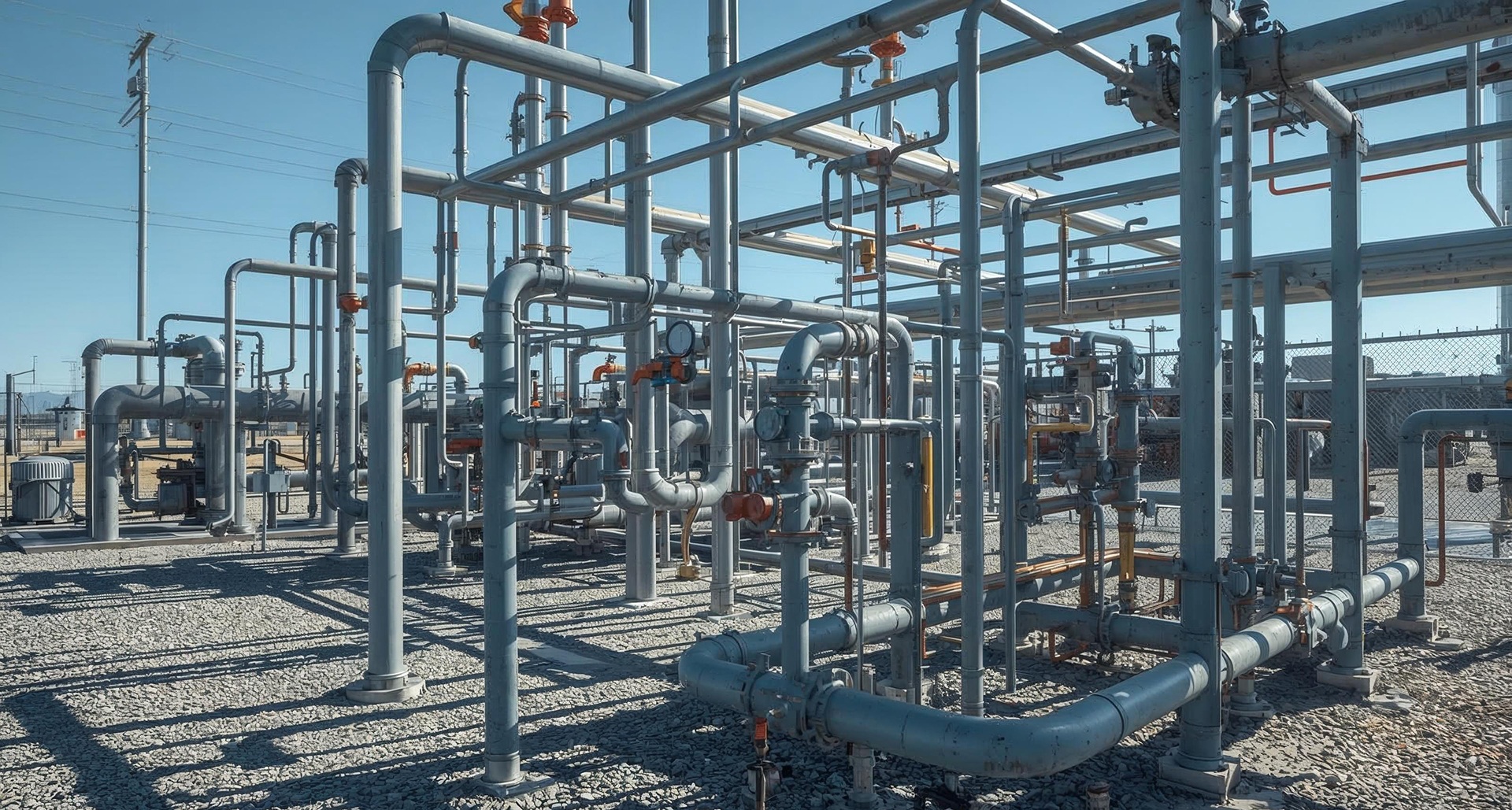
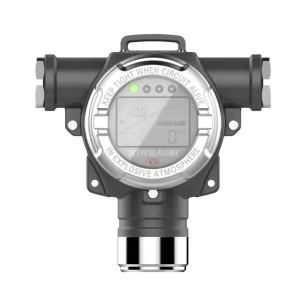
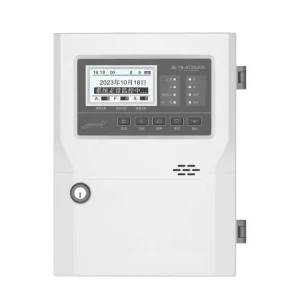
Industrial operations require an integrated safety architecture where detectors, control systems, and actuators function as a single unit. Under hazardous conditions, a standalone gas detector is insufficient. The detector must identify the leak, send a signal to the controller, and prompt the shut-off valve to isolate the line immediately. Our systems integrate solenoid valves with advanced detection controllers (like the JB-TB-AT2020LH or JB-TB-AT2020S) to provide automated protection.
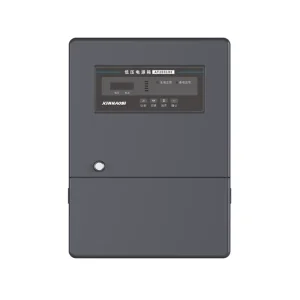
By connecting low-voltage power units (AT2031XE) and interlock control boxes (JB-MK-AT2041X), industrial sites can build safety systems with multiple levels of redundancy. In petrochemical, metallurgy, and urban gas utility applications, this complete integration guarantees safety at the source, preventing toxic or flammable mixtures from reaching ignition areas.
Moreover, modern smart city and industrial park systems require continuous monitoring. Integrating the FDG-X304SE Intelligent Data Gateway allows operators to track gas concentration readings, valve status, and pressure metrics remotely. This data-driven approach supports preventive maintenance schedules, reducing downtime and lowering operational risks.
Trusted globally by leading organizations across the gas safety & distribution industries
























Stay tuned for the latest updates from Xinhaosi & the Industry.
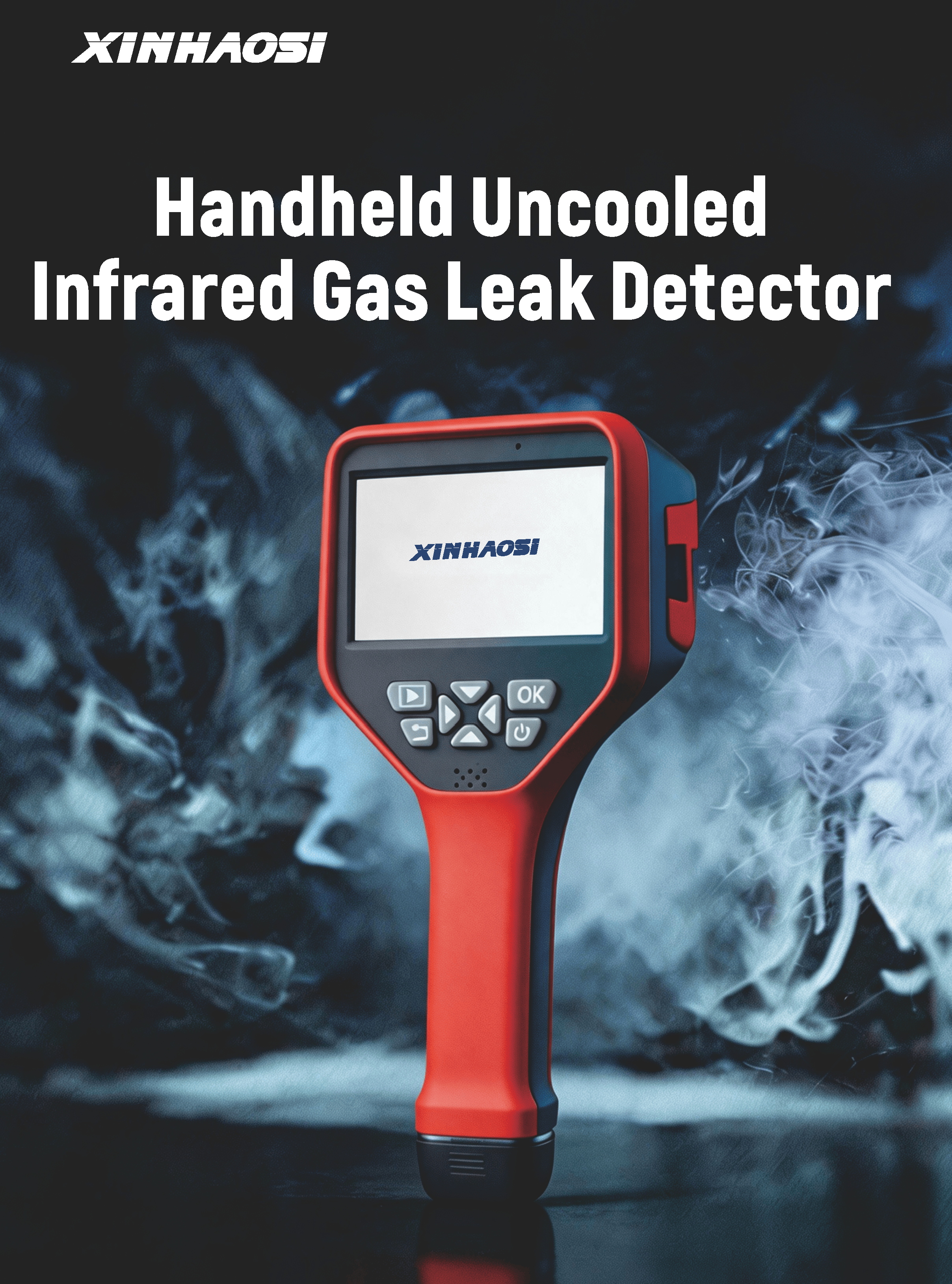
Xinhaosi Electronic Detection Technology Co., Ltd. officially launched its new Handheld Uncooled Infrared Gas Leak Detector, featuring dual-technology fusion...
May 09, 2026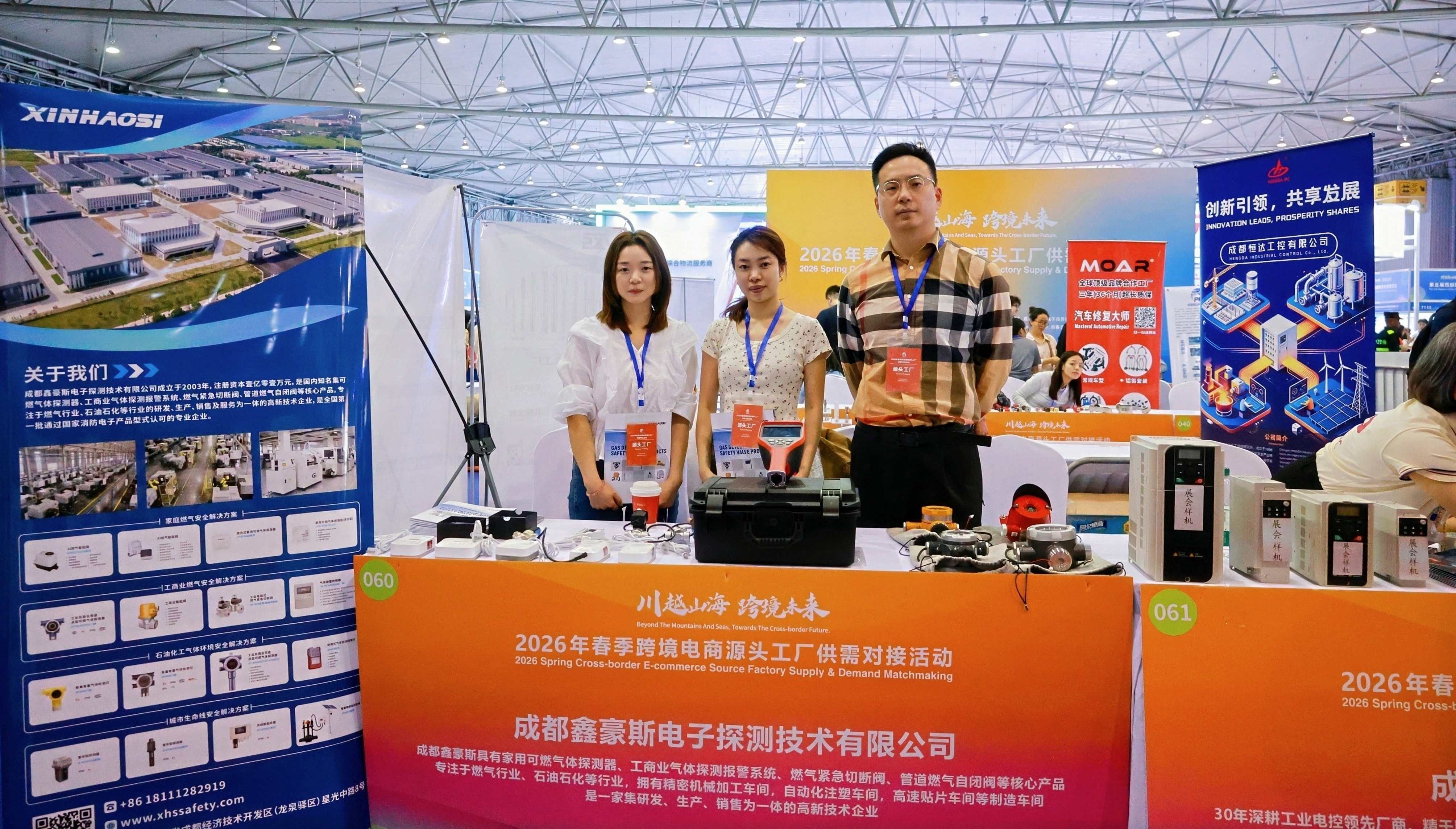
XINHAOSI recently participated in the 5th Western China Cross-Border E-Commerce Expo held in Chengdu, creating new opportunities for international business cooperation...
May 08, 2026
XINHAOSI recently participated in the 2026 Sichuan (Chengdu) - Indonesia Industry Matchmaking Conference to strengthen industrial cooperation and explore Southeast Asian markets...
May 08, 2026The solenoid valve and gas detector sector is focused on three areas: reducing power consumption, integrating wireless networks, and utilizing advanced predictive diagnostics. Classic electromagnetic coils consume power continuously while holding the valve open. The industry is moving toward latching solenoid designs, which use short electrical pulses to change state. This approach reduces energy consumption and heat generation by over 90%, extending the life of electronic parts.
In addition, artificial intelligence and machine learning are shifting industrial maintenance from reactive to predictive models. Future solenoid valve controllers will analyze coil resistance and response times to detect valve wear or contamination before a malfunction occurs. This real-time diagnostic capability, integrated with platforms like the FDG-X304SE gateway, allows plants to address wear proactively, keeping critical processes online and secure.
Working in hazardous industrial environments requires strict adherence to regional safety standards. A premium manufacturing facility provides products that comply with certifications like ATEX in Europe, UL/CSA in North America, and GB3836 in China. These standards dictate core product details, including thread tolerances, housing materials, and grounding protocols.
Furthermore, technical support must extend beyond the initial delivery. Xinhaosi provides end-to-end guidance, from system design to field calibration. With our network of local distributors and service partners, engineering teams receive prompt support, ensuring compliance with local codes and smooth commissioning of safety installations.
Crucial Technical Questions Addressed by Senior System Engineers
A high-quality factory is distinguished by strict precision tolerances, automated testing systems (including helium leak detection and high-pressure nitrogen testing), and compliance with certifications like ATEX, IECEx, and SIL-3. Leading facilities use cleanrooms for assembly and maintain full traceability for materials.
Low-voltage power boxes, such as the AT2031XE, supply stable, regulated power to detection loops and solenoid coils. By using lower voltages (such as 24VDC), the system minimizes the risk of electrical sparking, which is essential for maintaining safety in hazardous, gas-rich environments.
When a gas detector (such as the GTYQ-AT0503) senses gas concentrations above safe thresholds, it sends a signal to a central controller. The controller cuts power or triggers a pulse to the solenoid valve, releasing the internal spring tension and closing the valve within 0.3 seconds to stop the gas flow.
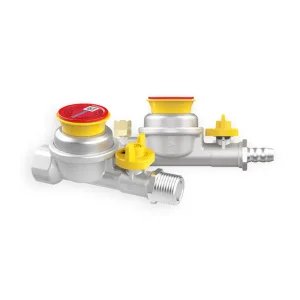
The KT-XF5 series features a Normally Open (N/O) design, which remains open during standard operations and shuts only when triggered by an electrical signal. The BT-XF5 series is Normally Closed (N/C), requiring constant power to stay open. Selecting the right model depends on your process safety parameters and backup power setups.
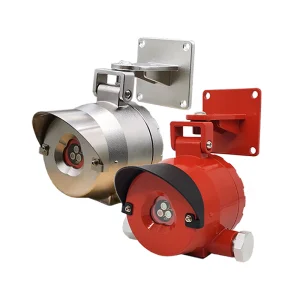
Triple IR (IR3) flame detectors monitor three distinct wavelengths within the infrared spectrum. This multi-spectrum analysis helps the system distinguish actual hydrocarbon flames from common false alarm sources like sunlight, hot surfaces, or welding arcs, ensuring fast and reliable detection.
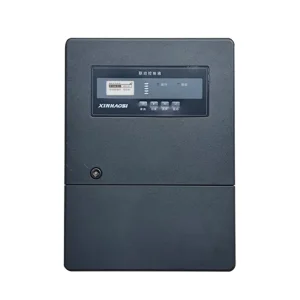
An interlock control box, such as the JB-MK-AT2041X, connects inputs from detectors with output actuators like solenoid valves and ventilation fans. It ensures that the gas supply cannot be restarted until the leak is cleared and the system is manually reset, preventing accidental gas releases.
The gateway acts as an information hub, converting protocol signals from detectors and valves into standardized data formats. This allows operators to monitor safety systems in real time via local SCADA software or cloud-based industrial management platforms.
For corrosive environments, stainless steel bodies (like 316L) are recommended, paired with fluoropolymer seals (such as Viton or PTFE). For standard natural gas or LPG lines, anodized aluminum or cast brass bodies provide reliable, long-term performance under normal operating pressures.
Discover our range of heavy-duty gas safety valves, power supplies, and network gateways.