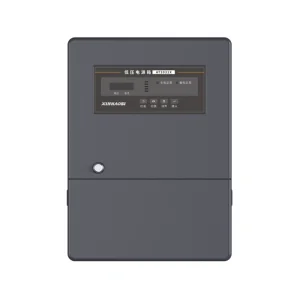
Explore our industrial-grade combustible gas detectors and emergency controllers engineered for high-reliability solenoid integration.
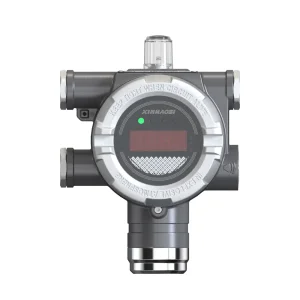
In contemporary hazardous environments, processing plants, and smart urban distributions, solenoid valve installation has transcended basic plumbing integration. Modern industrial processes demand absolute synchronization between dynamic monitoring apparatus and emergency shutdown valves (ESDVs). The global transition toward decarbonization and gas safety has placed stringent reliability benchmarks on electro-mechanical control interfaces.
Whether controlling natural gas, LPG, or toxic chemical vapours, high-quality solenoid installations serve as the primary containment barrier during critical system anomalies. Globally, industrial compliance standards such as EN 161 (for automatic shut-off valves for gas burners and appliances), ATEX (explosion safety directives), and SIL (Safety Integrity Level) ratings govern the design and positioning of solenoid valves. High-quality manufacturing must prioritize zero-leakage configurations, robust thermal insulation, and explosion-proof terminal enclosures to withstand volatile outdoor and sub-zero plant conditions.

A Visionary Alignment of Advanced Sensors and Smart Actuator Controls by Xinhaosi

Founded in 2003, Xinhaosi (GasSafePro) has positioned itself at the cutting edge of industrial gas hazard mitigation. We utilize advanced electronic detection technology to make unknown gas leak risks clear, visible, and immediately manageable. Over the last two decades, our development processes have focused on bridging the gap between detection speed and mechanical actuation.
By integrating high-speed micro-controller processing with robust gas solenoid valves, our systems guarantee that when a toxic or combustible hazard is identified, isolation is enacted at the source within milliseconds. This holistic product integration ensures seamless end-to-end protection.
Discover Our SolutionsCritical engineering insights for mechanical engineers and safety directors to ensure operational integrity.
Proper flow direction alignment is vital. Install the valve matching the directional arrow on the cast body. Ensure matching inlet/outlet connection sizes and minimize pressure drops by calculating precise Cv coefficients beforehand.
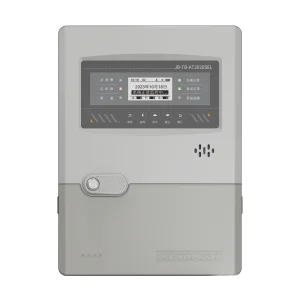
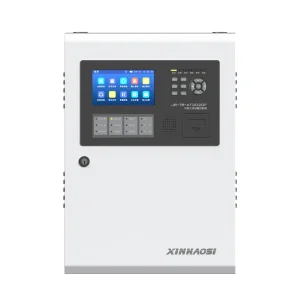
Solenoid valves must match the system controller (e.g., JB-TB-AT2020SEL). Double-check the electrical current profile (AC vs. DC), ensure clean line suppression, and connect explosion-proof cable glands according to local NEC or IEC codes.
Debris, scale, and particulate moisture are primary causes of valve diaphragm failures. Implementing a 50-micron upstream filter extends operational life, prevents seal damage, and avoids unexpected startup failures.
Tailored gas control strategies serving vital commercial, residential, and urban infrastructures.
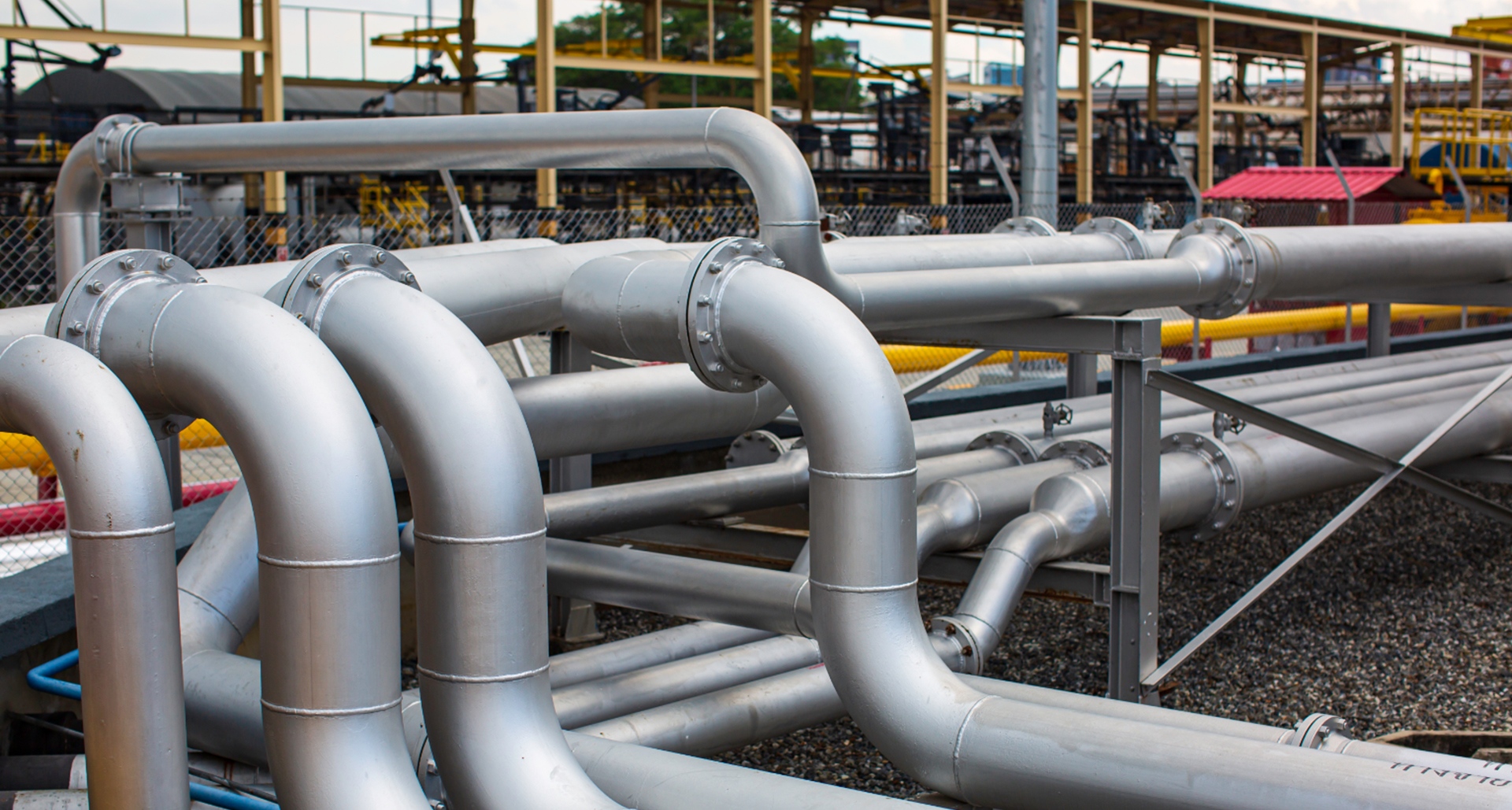
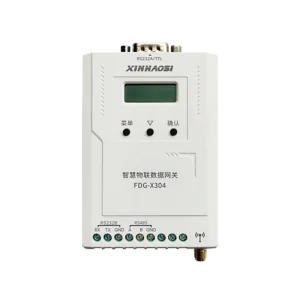
In municipal gas utility networks, maintaining safety at distribution nodes is critical. High-volume distribution loops deploy automatic gas shut-off valves linked directly to regional pressure and vibration sensors. Integrated with intelligent data gateways (such as our FDG-X304 Gateway), these systems stream performance metrics, line pressures, and valve status indicators to central cloud dashboards, providing immediate warning of upstream pipeline damage or earthquake-induced ruptures.
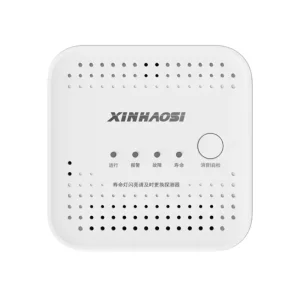
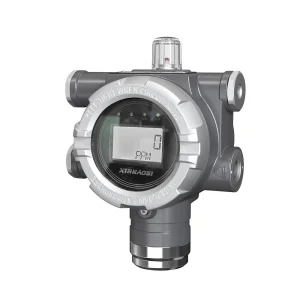
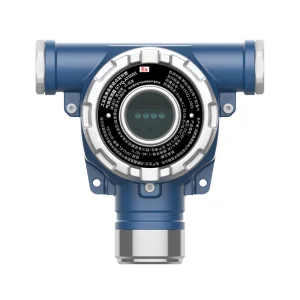
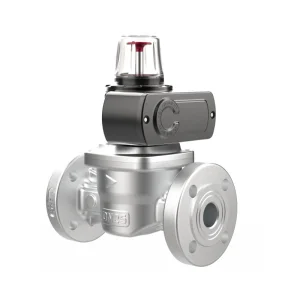
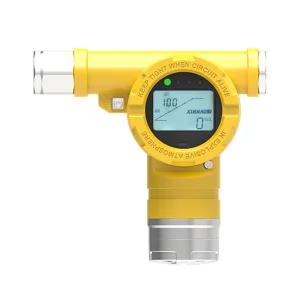
Explosion-proof environments mandate valves rated under Class I, Div 1 / Zone 1 schemes. In these setups, our GTYQ-AT0602A and GTYQ-AT0501 detectors work alongside CT-XF5 industrial solenoid valves. These setups handle heavy vibration, extreme ambient temperatures, and corrosive airborne elements typical of onshore drilling platforms and chemical process plants.
Schools, hotels, and retail kitchens pose high safety risks due to dense human traffic and open flames. Local safety codes increasingly mandate the installation of combustible gas detectors wired to fast-acting, low-profile solenoid shut-off valves. Upon detecting methane levels above 10% LEL, the control system instantly isolates the primary gas intake pipe, triggering local alarms and sending status updates to the facility management office.
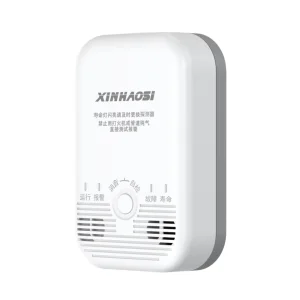
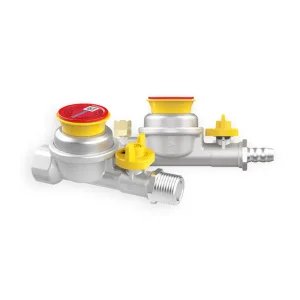
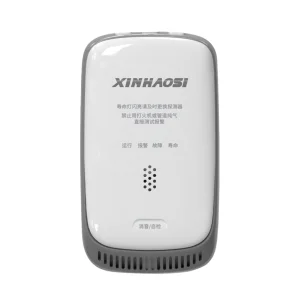
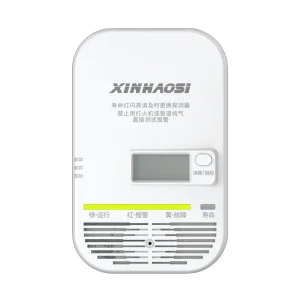
For modern smart homes, we offer compact, high-reliability safety packages that combine our JT-AT2005 or JT-AT3068 household detectors with residential-grade shut-off valves. This ensures family safety through simple, plug-and-play installation, immediate localized shut-off, and optional integration with home automation hubs.
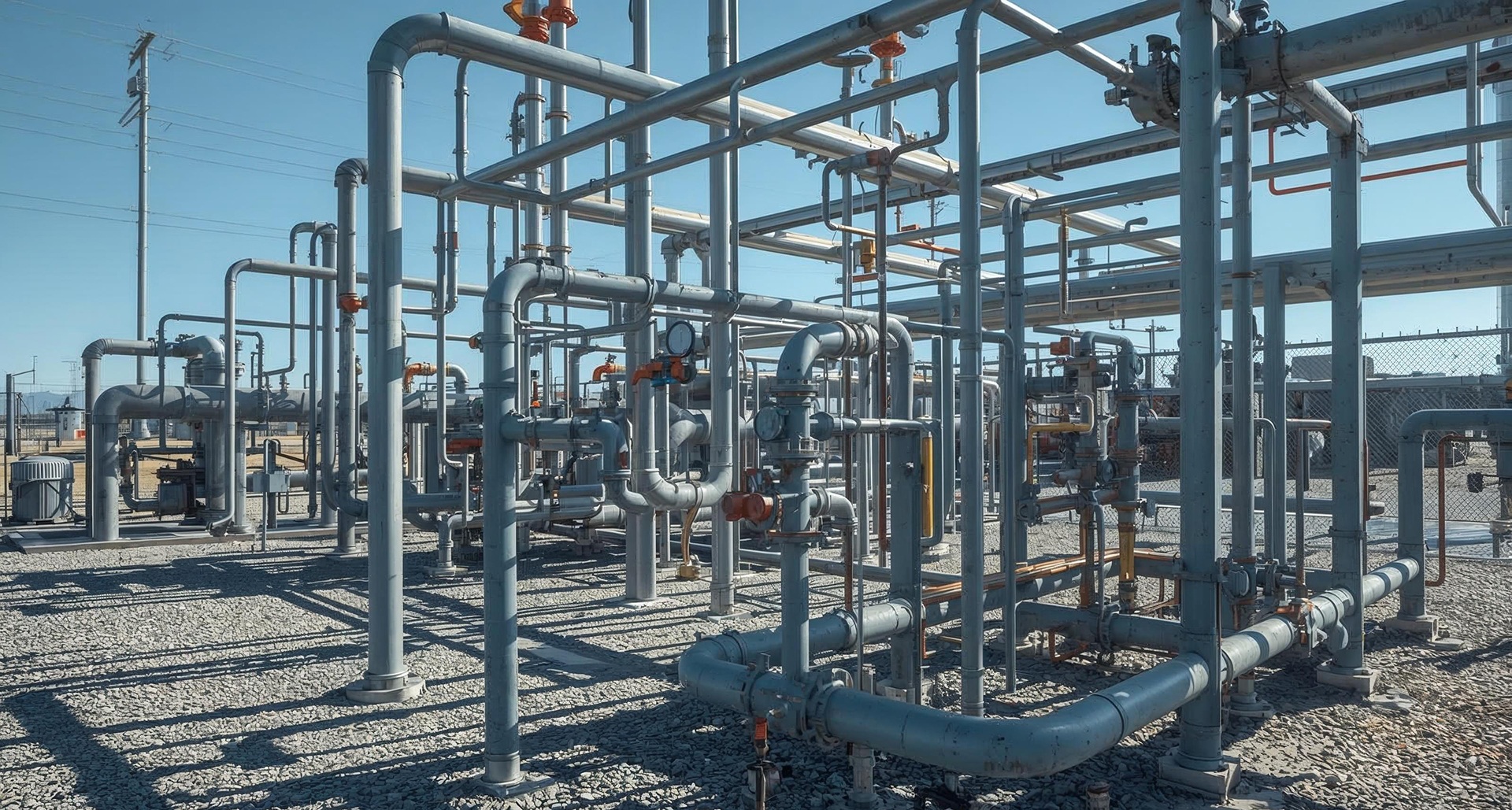
The convergence of Industrial IoT (IIoT), artificial intelligence, and proactive safety management.
Future solenoid valve installations will feature embedded smart micro-controllers. Instead of relying solely on centralized logic, local nodes will process fluid dynamics and safety data on the spot, ensuring faster responses and localized decision-making.
By monitoring changes in coil resistance, response times, and temperature shifts, our next-gen systems can predict solenoid failure before it happens. This allows plants to schedule maintenance during planned downtimes, avoiding costly emergency stops.
We are incorporating wireless, low-power networks like LoRaWAN and NB-IoT. This enables remote shut-off control in hard-to-reach areas, such as cross-country pipelines, without needing expensive wiring infrastructure.
Working with leading organizations globally to set new benchmarks in gas safety and fluid control.
























Stay informed about the latest safety developments and industry news from Xinhaosi.
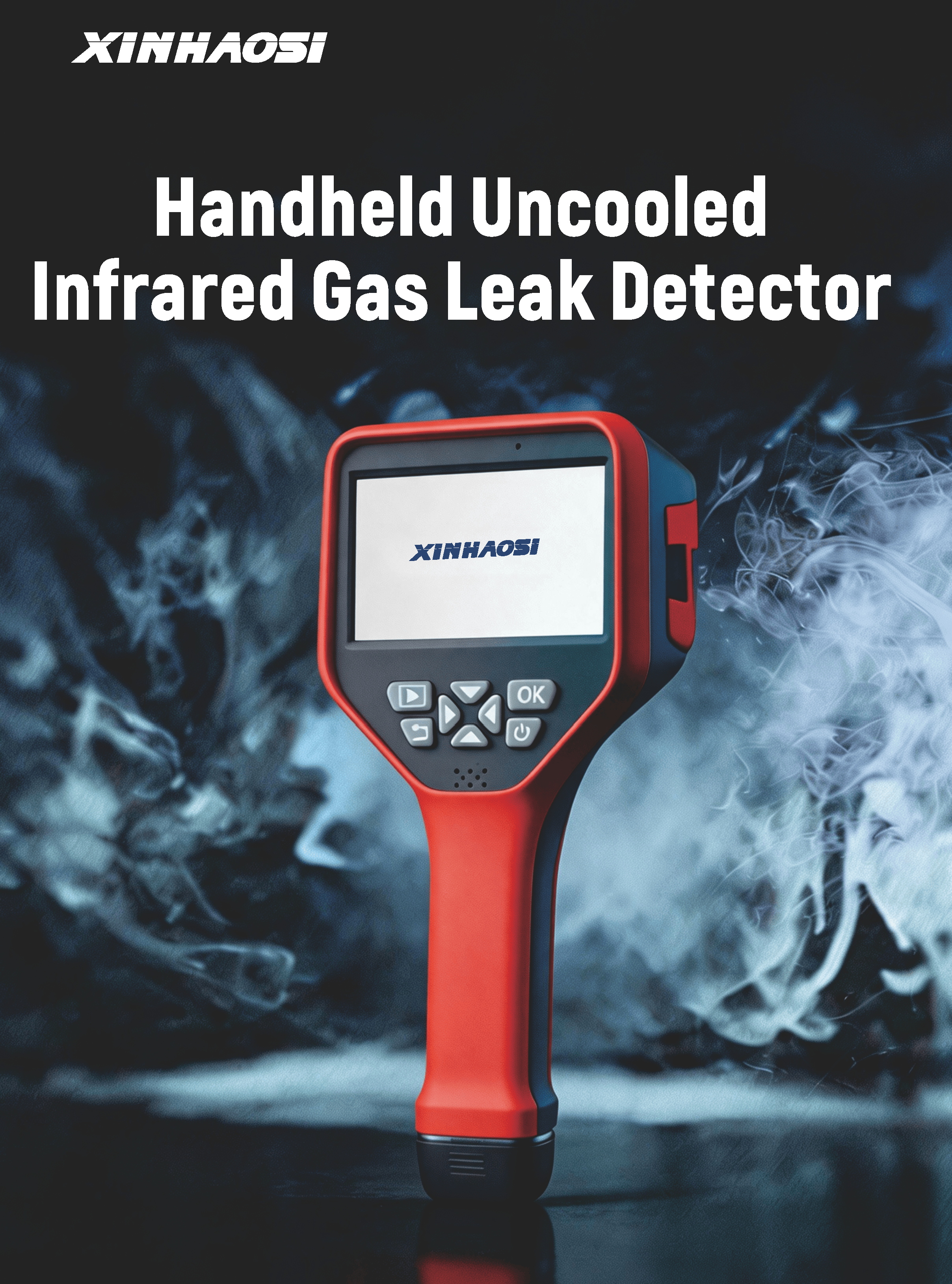
Featuring dual-technology fusion, ultra-fast response, and long-distance non-contact detection to enhance safety and efficiency in petrochemical, refrigeration, natural gas and industrial safety scenarios.
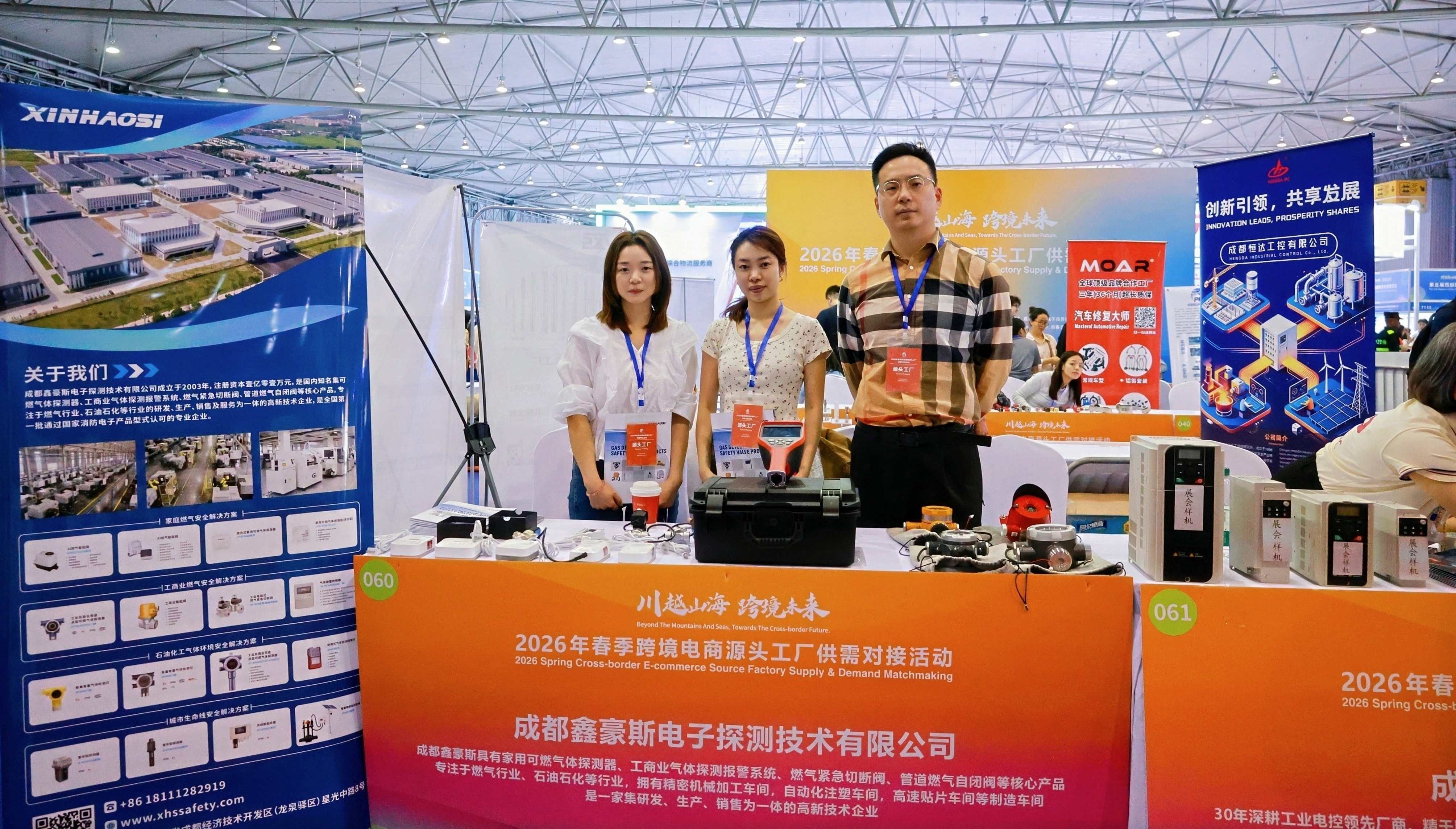
Bringing together platforms, global buyers, and manufacturers to strengthen supply chains and open new opportunities for international trade in the gas safety sector.

Collaborating with Southeast Asian enterprises to strengthen safety infrastructure partnerships and expand smart city gas distribution solutions.
In-depth answers to common questions about selection, safety compliance, and installation best practices.
Complete your safety installation with our industrial-grade gas shut-off valves, intelligent gateways, and controllers.