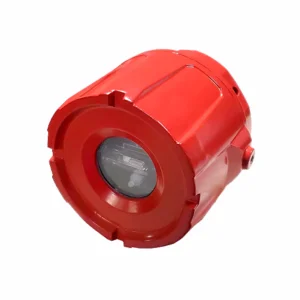
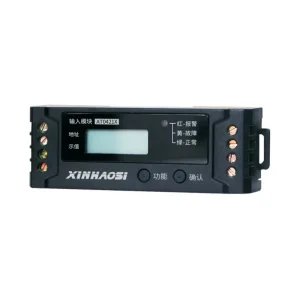
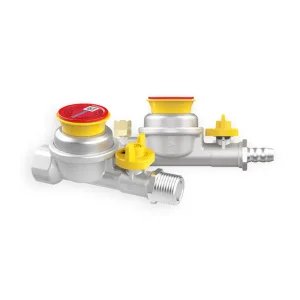
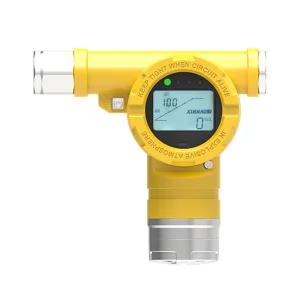
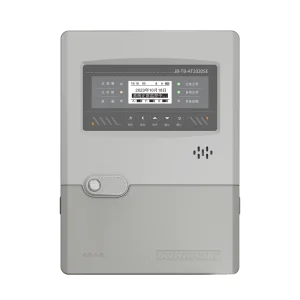
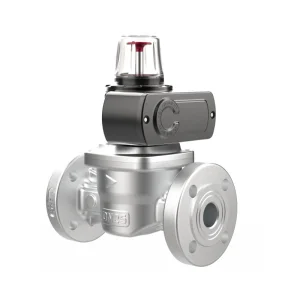
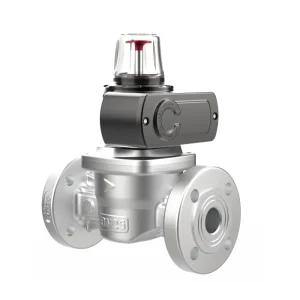
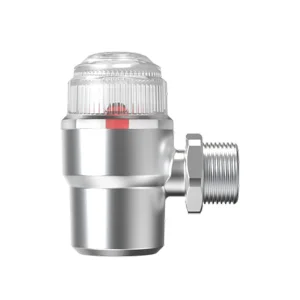
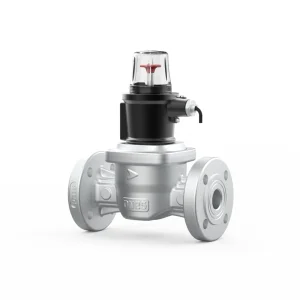
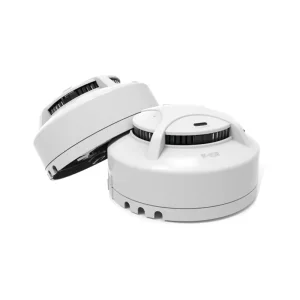
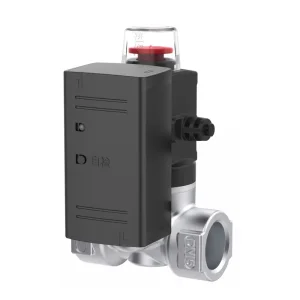
Explore our core industrial grade pipeline safety valves, controllers and hazard detection units designed for extreme environments.
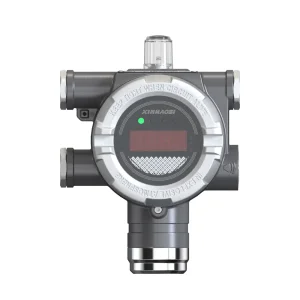
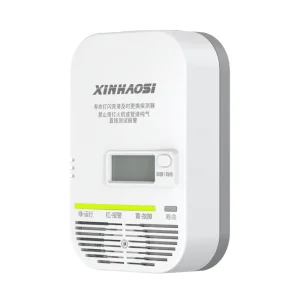
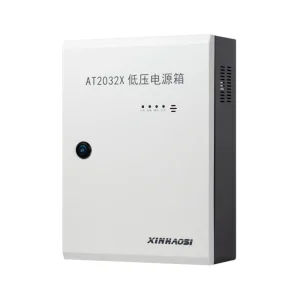
A comprehensive overview of our origins, technology baseline, and the vision of modern intelligent risk assessment.
Founded in 2003, Xinhaosi has spent over two decades developing advanced electronic systems to make invisible gaseous anomalies transparent and controllable.
For our engineers, "X" represents both the unknown industrial safety hazards and the next-generation electronic solutions designed to preemptively eliminate them.
Our holistic workflow spans proprietary R&D, precision metal machining for NPT threaded assemblies, sensor calibration, and full systems integration.

Xinhaosi is one of the most influential and reliable brands in the gas safety industry. We provide customer-focused products and services to safeguard the safe operation of every factory, the comfort of every city, the peace and happiness of every home. Powered by cutting‑edge production systems and technology, we deliver more advanced, intuitive, and precise gas safety solutions.
Whether managing high-pressure pipelines utilizing standard NPT (National Pipe Taper) connection profiles or establishing a complex array of explosion-proof toxic gas sensors in hazardous zones, Xinhaosi ensures the physical environment remains insulated from explosive, combustible, or asphyxiating risks.
In the transmission of natural gas, LPG, and petrochemical vapors, the mechanical integrity of joint connections is paramount. NPT (National Pipe Tapered) threads, governed by the ANSI/ASME B1.20.1 standard, are engineered to create a pressure-tight seal by forcing the flanks of the male and female threads together. This metal-to-metal wedging action is crucial in prevention of volatile organic compound (VOC) emissions and dangerous gas leakages under fluctuating pressures.
| Nominal Pipe Size (NPT) | Pitch Diameter at Beginning of External Thread (inch) | Handtight Engagement Length (inch) | Threads Per Inch (TPI) | Standard Pressure Rating Options |
|---|---|---|---|---|
| 1/2" NPT | 0.7584 | 0.320 | 14 | PN16 / PN25 / Class 150 |
| 3/4" NPT | 0.9677 | 0.339 | 14 | PN16 / PN25 / Class 150 |
| 1" NPT | 1.2136 | 0.400 | 11.5 | PN25 / PN40 / Class 300 |
| 1-1/2" NPT | 1.7961 | 0.420 | 11.5 | PN40 / PN63 / Class 300 |
| 2" NPT | 2.2690 | 0.436 | 11.5 | PN40 / PN63 / Class 600 |
To prevent leak pathways, Xinhaosi ensures its NPT-threaded cast bodies are manufactured using computerized numeric control (CNC) lathes with automated toolwear compensation. This guarantees thread taper matches the nominal 1 in 16 (0.75 inches per foot) requirement across all batches. We deploy dry-seal validation methodologies akin to NPTF specifications to guarantee performance even in thermal cycling scenarios common to high-volume urban gas networks.
The installation requirements of gas detection and control systems vary dramatically based on location and application. We tailor our structural fittings and sensor chemistries to the exact environmental conditions of local deployment sites.
In these environments, heavy vapors such as propane, butane, and volatile organic compounds (VOCs) accumulate near grade level. We deploy explosion-proof fixed transmitters with robust NPT housings linked directly to automatic shut-off valves. These setups handle high corrosive salt spray and extreme thermal changes.
City gate stations require continuous pressure monitoring and instantaneous valve trip actions when line pressure crosses safe limits. Our NPT solenoid valves operate at millisecond speeds, ensuring that any pipeline ruptures do not feedback into high-density residential networks.
For enclosed spaces like parking structures, toxic carbon monoxide (CO) buildup is the primary concern. We utilize networked electrochemical sensor arrays connected to a centralized low-voltage power and control panel, driving automated ventilation systems to optimize energy usage while ensuring safety.
Our integrated product categories address every node in the pipeline and industrial space monitoring lifecycle.
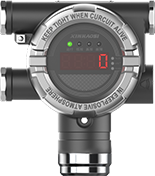

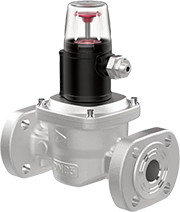
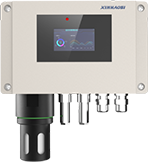
The reliability of an industrial-grade gas safety ecosystem depends on the stability of its supply chain. Operating out of Chengdu, Sichuan, Xinhaosi leverages the deep manufacturing infrastructure of Western China to deliver high-precision components at a highly competitive scale.
By keeping casting, machining, electronic assembly, and calibration within one organization, we eliminate the supply bottlenecks associated with multi-tiered outsourcing. Our raw brass and aluminum alloy castings are verified for porosity using ultrasonic testing before machining. This step ensures that the final NPT gas valves can withstand high burst pressures and avoid long-term structural fatigue.
Furthermore, our sensor calibration cleanrooms utilize automated environmental chambers. These chambers simulate relative humidity from 10% to 95% and temperatures from -40°C to +70°C. This testing ensures that every combustible gas detector shipped exhibits minimal drift and maintains linear output over its operational lifespan.
We maintain a raw material buffer matching 6 months of projected demand. This buffer shields our global partners from sudden market shifts. In addition, our automated inventory systems track part-level batches, allowing us to provide transparent traceability for projects requiring strict quality documentation.
As the digital transformation of the industrial sector accelerates, simple alarm units are evolving into highly integrated edge-computing nodes. The Xinhaosi R&D roadmap targets three core areas:
Combining non-dispersive infrared (NDIR) and catalytic gas sensors into a single housing. This allows for broad detection profiles and prevents catalytic sensor poisoning in environments containing silicones or sulfur compounds.
Deploying dry-battery powered wireless solenoid valves and detectors. These units form local wireless mesh networks, allowing safety devices to share diagnostic data and coordinate shutoff operations without expensive cabling.
Integrating multi-axis accelerometers and machine learning algorithms directly into portable gas detectors. If an operative falls or is incapacitated, the system triggers SOS alerts and broadcasts real-time GPS coordinates.
Providing high-assurance safety solutions alongside international leaders in construction, petrochemical, and municipal administration.








Operating in explosive gas atmospheres requires certifications such as ATEX, IECEx, and SIL (Safety Integrity Level) ratings. Every safety element produced by Xinhaosi is designed to integrate into high-reliability safety instrumented systems (SIS).
When installing NPT threaded gas valves, technicians should follow standard mechanical engineering practices:
Our transmitters use flameproof (Ex d) or intrinsically safe (Ex ia) engineering designs. The heavy-duty junction boxes isolate internal sparking or thermal events from the surrounding environment. Our equipment handles demanding outdoor installations and maintains a reliable IP66/IP67 ingress rating.
Get answers to common technical, installation, and compliance questions about gas detection systems and NPT fittings.
Stay updated with technological advancements, cross-border opportunities, and global industry partnerships.
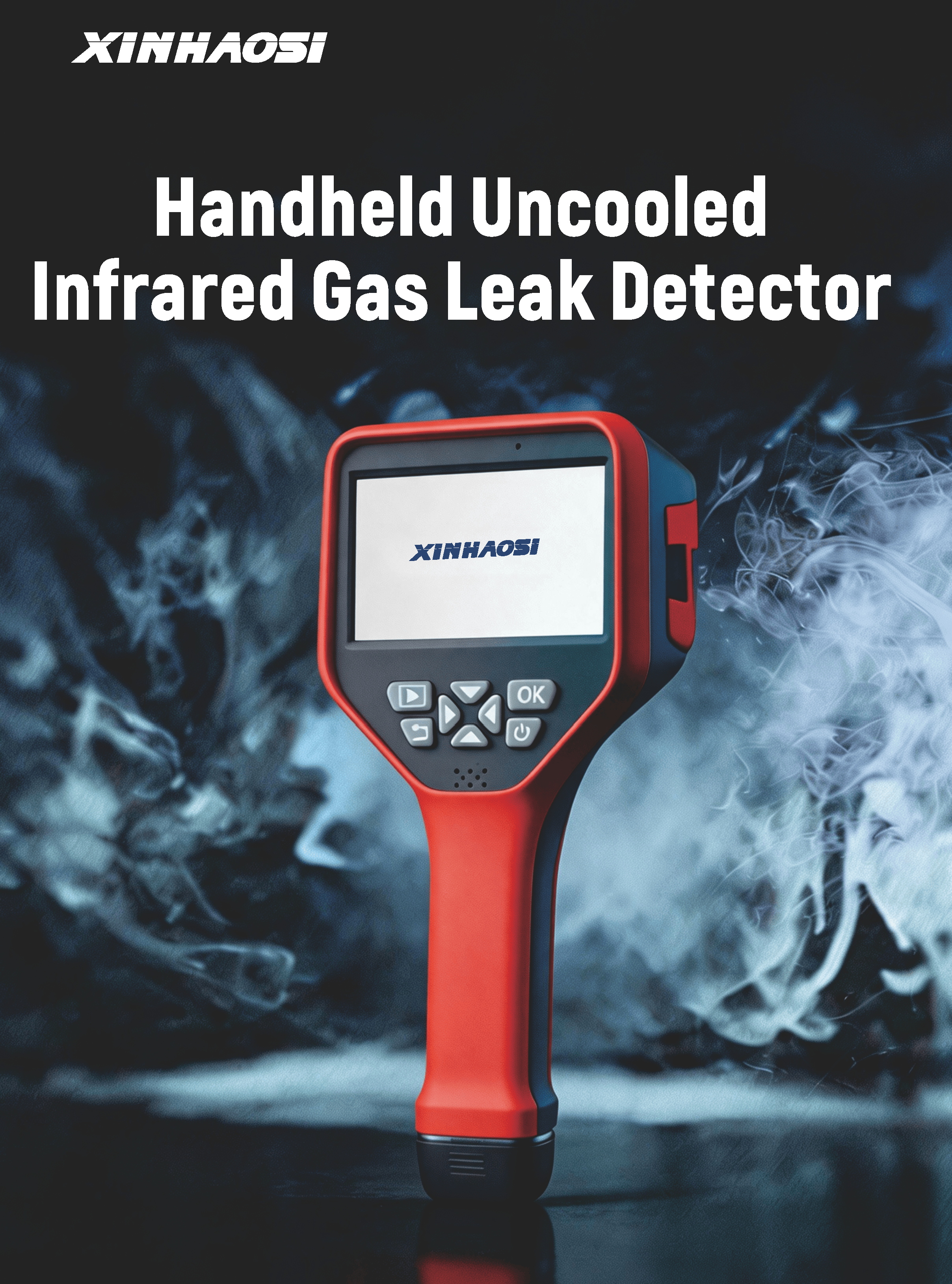
Featuring dual-technology fusion, fast response times, and long-distance detection for industrial and natural gas applications.
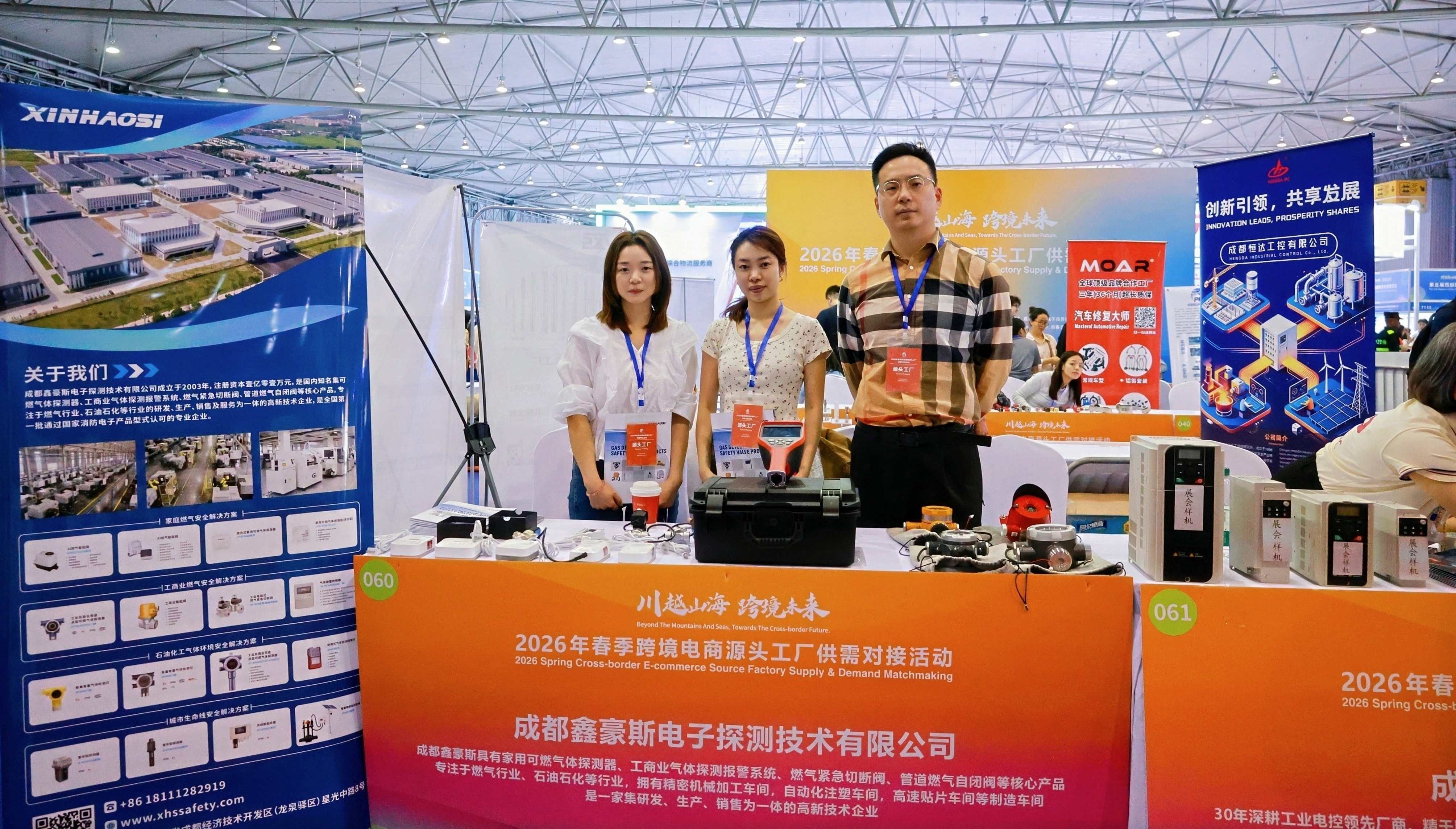
Connecting with global buyers, distributors, and supply chain partners to expand international commercial reach.

Strengthening industrial cooperation and exploring new opportunities for gas safety infrastructure in Southeast Asia.
Complete your facility safety layout with flame sensors, portable personal detectors, sirens, and domestic shutoff valves.