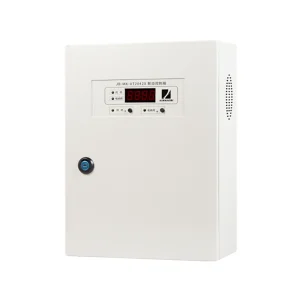
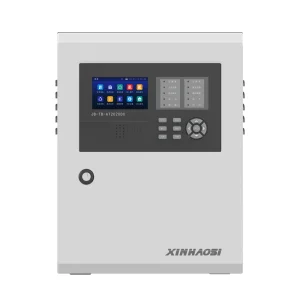
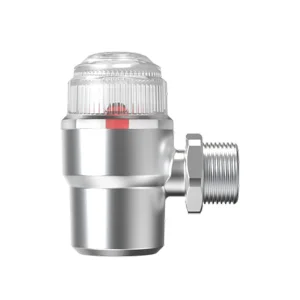
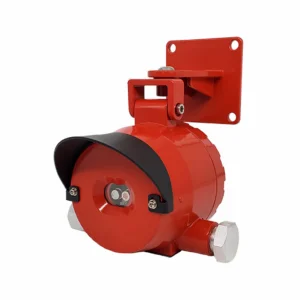
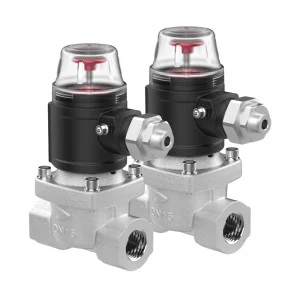
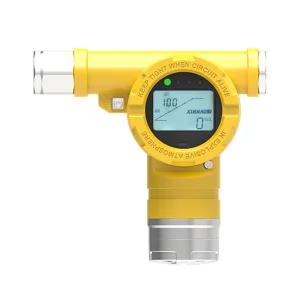
Explore our industrial-grade hazard mitigation hardware, integrating smart controllers, detection modules, and robust pressure monitoring units designed for safety-critical systems.
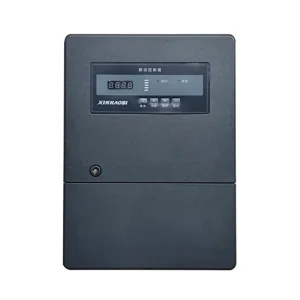
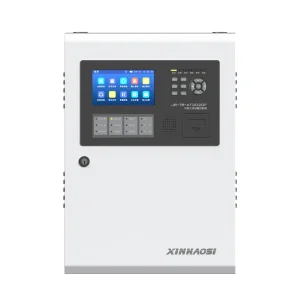
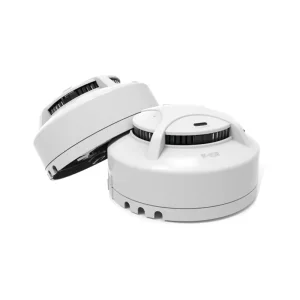
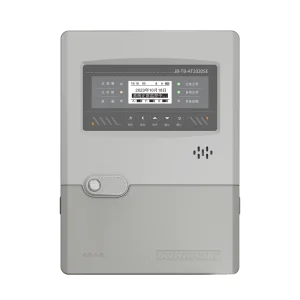
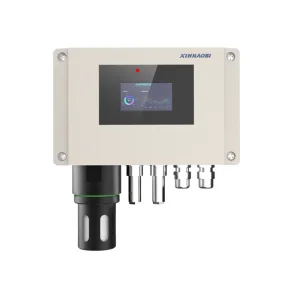
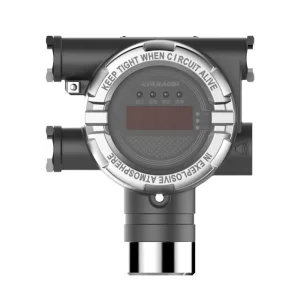
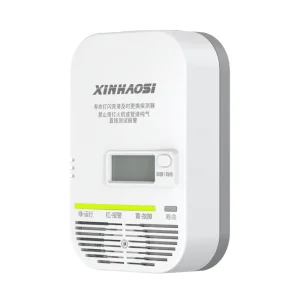
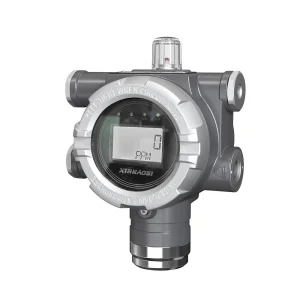
As cities densify and manufacturing facilities grow increasingly complex, the potential for combustible gas hazards climbs exponentially. Natural gas, while remaining a corner stone of clean fossil-based industrial energy, demands extreme caution. An unmitigated leak can escalate from a minor localized pressure drop to a catastrophic explosion within seconds. Consequently, natural gas cut off valves have shifted from being secondary mechanical safety measures to central components in smart, network-connected hazard mitigation frameworks.
"The design philosophy of next-generation gas systems prioritizes active containment at the source. It is no longer sufficient to just sound an alarm; a system must automatically and reliably close the fuel loop before ignition thresholds are met."
Across Europe, North America, and rapid-growth zones in Southeast Asia, environmental policies and safety regulations have undergone massive revisions. Protocols like the European EN 161 (governing automatic shut-off valves for gas burners and gas appliances) and NFPA 54 (National Fuel Gas Code in the USA) demand rigorous performance profiles. Standard residential systems require highly responsive solenoid shut-off units linked directly to gas sensors. Industrial complexes require explosion-proof safety-shutoff systems that integrate seamlessly with distributed control systems (DCS) and safety-instrumented systems (SIS).
The global transition to intelligent manufacturing environments relies heavily on integrating components that operate reliably under harsh weather conditions, seismic events, and severe EMI/RFI environments. Manufacturers are now utilizing advanced engineering materials, such as marine-grade aluminum alloys, stainless steel, and hydrogen-tolerant seal compounds, to safeguard against leak paths and valve corrosion.
Historically, emergency gas shut off was performed via manual mechanical valves, requiring human intervention. In critical emergencies, however, human reaction time is often too slow, and exposure risks are prohibitive. The technological roadmap has progressed through three primary stages:
| Valve Category | Closing Speed | Typical Application | Hazard Suitability | Power Dependency |
|---|---|---|---|---|
| Solenoid Valves (Normally Open) | < 1 Second | Commercial Kitchens, Boiler Rooms | High (Combustible Gas Leaks) | Requires instantaneous pulse to close |
| Electro-pneumatic Valves | 1 - 3 Seconds | Heavy Industrial, Gas Mainlines | Very High (Explosion-Proof Zones) | Requires compressed air/gas line |
| Motorized Control Valves | 5 - 15 Seconds | Urban Grid Flow Management | Moderate (Regulating flow) | Requires constant electrical feed |
A look at the functional domains in gas safety engineering, protecting families, urban infrastructure, and complex chemical production plants from leak hazards.
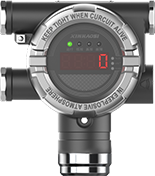

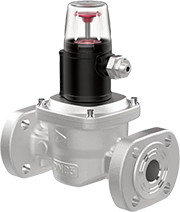
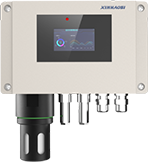
Understanding how geographical challenges and emerging green technologies are reshaping gas safety engineering.
Modern building codes require direct coupling of gas detectors to solenoid shut off valves. If a leak occurs in a high-rise kitchen, the sensor cuts current to the valve, instantly shutting down gas lines prior to fuel building up to lower explosive limits (LEL).
Petrochemical sites require explosion-proof safety-shutoff systems that integrate with DCS and safety instrumented systems. These systems are designed to operate reliably under extreme weather conditions, high pressures, and corrosive environments.
Decarbonization is driving utilities to blend green hydrogen into existing natural gas grids. Valves must adapt: hydrogen has a smaller molecular structure, requiring high-grade sealing materials (like customized NBR/Viton compounds) to prevent micro-leakage.
The safety system is only as strong as its weakest link. A valve cannot shut off gas if it does not receive a clear signal; conversely, a sensor can detect gas but remains useless if it cannot shut off the gas flow. Xinhaosi focuses on this integration: the "X" represents the unknown risks of gas leaks, and the "X" represents the next-gen technologies developed to mitigate them.
By designing and manufacturing both the detection systems (e.g., combustible and carbon monoxide detectors) and the execution hardware (such as solenoid valves and interlock control boxes), Xinhaosi ensures seamless integration. The systems operate in unison, minimizing transmission delay, reducing false alarms, and ensuring a fast shut-off response when real emergencies occur.
Technical answers to common engineering questions regarding the selection, installation, and maintenance of emergency shut-off valves.
Normally Open (N.O.) valves remain open during standard operation and require an electrical pulse to shut. They are safer for continuous gas lines because they don't consume power or generate heat unless triggered. Normally Closed (N.C.) valves require constant power to stay open, shutting automatically if a power failure occurs.
For industrial installations, look for SIL (Safety Integrity Level) ratings, usually SIL 2 or SIL 3, along with ATEX or IECEx certifications if the valve operates in explosive atmospheres (Zone 1 or Zone 2). For commercial installations, look for certifications such as EN 161 or UL 429.
If a gas leak triggers a valve shutdown, the system should not automatically restart when the leak clears. Manual reset mechanisms require qualified operators to inspect the facility and resolve the underlying issue before gas can flow again.
Standard valves are not necessarily suitable for hydrogen. Hydrogen's smaller molecules leak easily through standard seals and can cause embrittlement in certain metals. Hydrogen-blended networks require valves with updated elastomer seals and compatible metal alloys.
Recent developments, product rollouts, and international events reflecting Xinhaosi's growth and engagement.
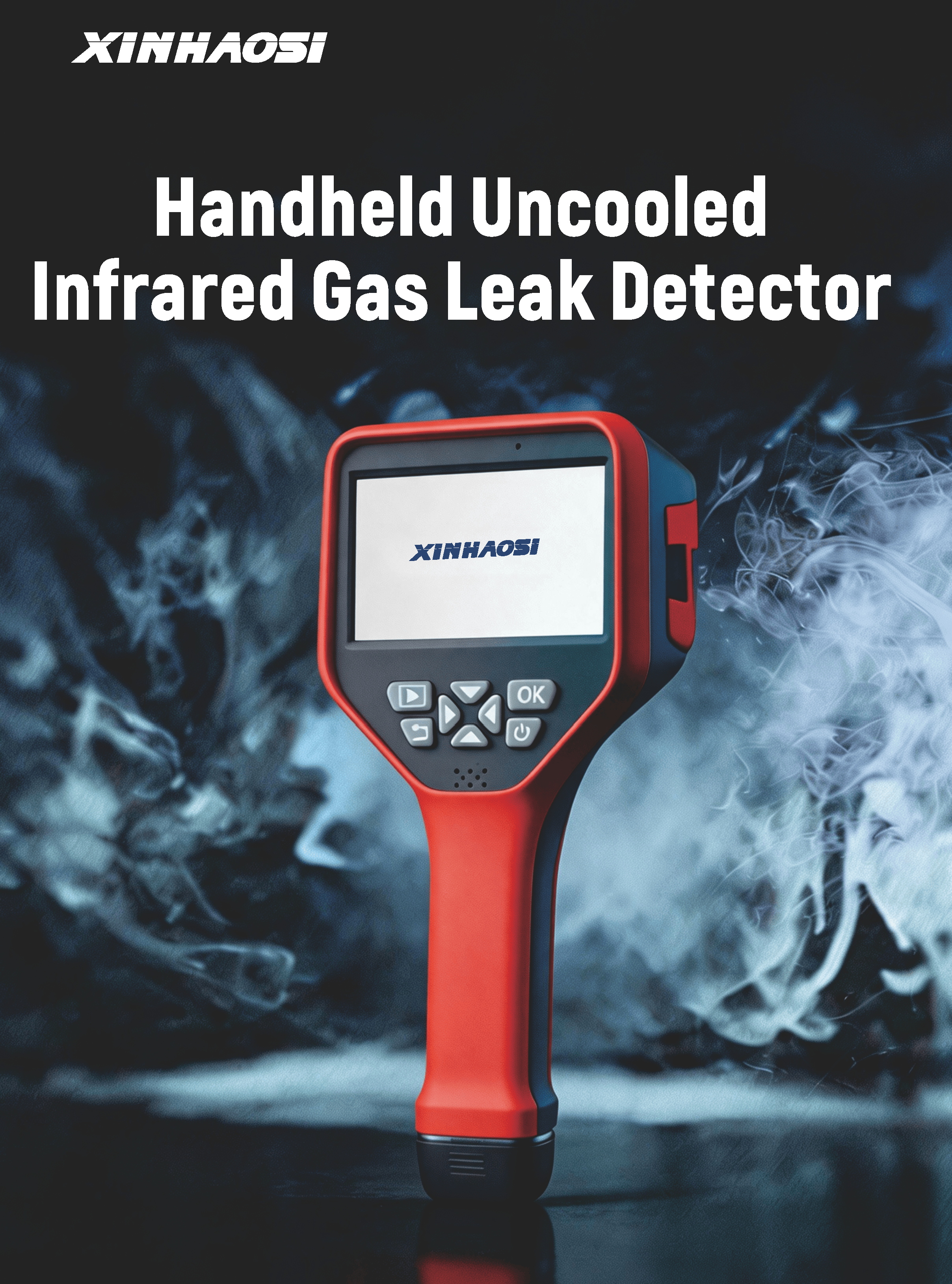
Featuring dual-technology fusion, rapid response times, and long-range non-contact detection to enhance safety in chemical, refrigeration, and natural gas facilities.

Bringing together cross-border platforms, buyers, and manufacturers to strengthen international partnerships and explore overseas markets.

Connecting Chinese and Indonesian business representatives to strengthen trade ties and advance industrial safety solutions in Southeast Asia.
Working alongside global energy corporations, engineering firms, and municipal gas operators.
























Select from industrial gas shut-off valves, sensitive residential combustible gas leak detectors, flame detectors, and integrated alert systems.