Explore our premium grade industrial solenoid valves, wireless terminals, and combustible gas monitors engineered for extreme reliability.


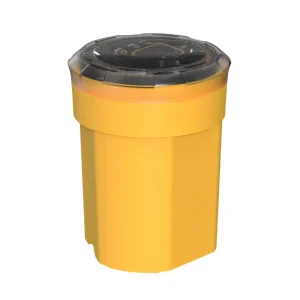
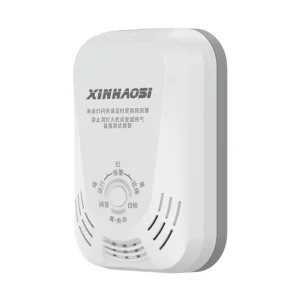
Founded in 2003, Xinhaosi is one of the most influential and reliable brands in the gas safety industry. We provide customer-focused products and services to safeguard the safe operation of every factory, the comfort of every city, and the peace and happiness of every home. Powered by cutting-edge production systems and sensor technologies, we deliver more advanced, intuitive, and precise gas safety solutions for shaping a safer world.
Our systems utilize high-resolution electronic detection and digital communication interfaces to turn invisible atmospheric dangers into structured, actionable, and real-time safety data.

An in-depth exploration of technological pathing, procurement standards, compliance, and macro-industrial risk management in gas monitoring ecosystems.
In modern commercial and industrial infrastructure, managing combustible materials like natural gas (chiefly methane, or CH4) requires robust, failsafe architectures. Methane is highly flammable, with a Lower Explosive Limit (LEL) of approximately 5% by volume in air, and an Upper Explosive Limit (UEL) of 15%. A minor leak inside enclosed settings—such as underground shafts, boiler rooms, or valve corridors—can rapidly evolve into explosive atmospheres if not intercepted. High-quality natural gas detectors operate as the front line of defense, converting physical gas concentrations into digital outputs, triggering automatic valves, and notifying safety controllers before critical thresholds are crossed.
Procuring industrial gas safety equipment requires stringent evaluations. Global engineering procurement groups assess several performance attributes to minimize the total cost of ownership (TCO) and maximize functional reliability:
Traditional catalytic bead sensors detect gas through combustion, which consumes oxygen. In oxygen-deficient atmospheres (such as deep underground shafts), catalytic sensors fail to report accurate LEL levels. In these settings, NDIR (Non-Dispersive Infrared) or specialized dual-technology configurations are required to ensure continuous protection.
A robust industrial natural gas safety scheme consists of three operational layers: Detection, Control, and Mitigation.
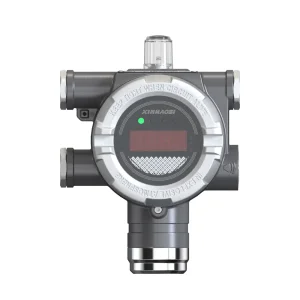
I. The Sensing Layer: Composed of high-stability gas sensors positioned near potential leakage spots (valves, meters, joints). For deep infrastructure, underground shaft combustible gas monitoring devices (like GT-AT0616/AT0617) provide continuous sampling under damp, hazardous conditions.
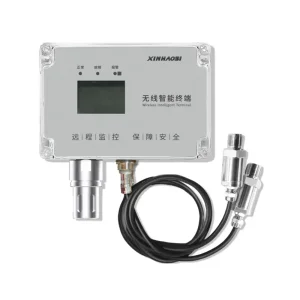
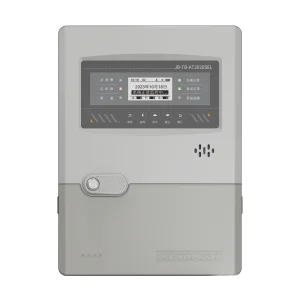
II. The Controlling Layer: The central nervous system of safety systems. Units like the JB-TB-AT2020SEL process signal inputs from the field, display gas levels, trigger alarms, and dispatch relay commands to safety components.
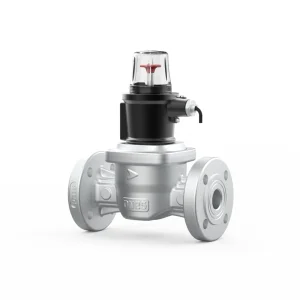
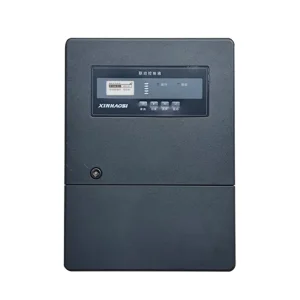
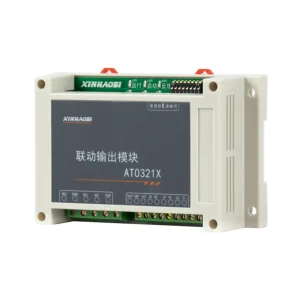
III. The Mitigation Layer: Actuated safety mechanisms. When gas concentrations cross pre-set limits, control modules engage the JB-MK-AT2041X Interlock Control Box to cut power to ignition sources, turn on ventilation, and instantly trip the XF3 Gas Solenoid Valve to stop gas flow at the main source.
The landscape of safety engineering is transitioning from local alarms to integrated smart systems. We observe three dominant trends shaping next-generation systems:
Tailored monitoring configurations developed for specific hazards across industrial, commercial, and residential environments.
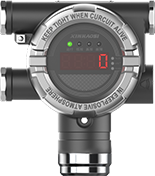
High-precision sensing solutions engineered for petrochemical plants, power generation facilities, and refineries.
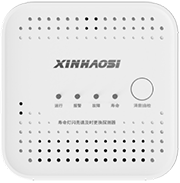
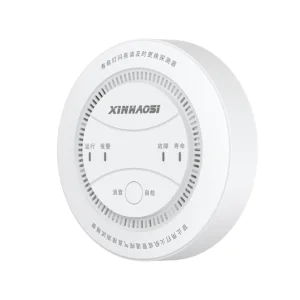
Sleek, highly reliable consumer alarms designed to prevent residential carbon monoxide and methane buildup.
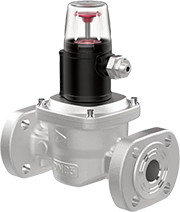
Normally-open automatic emergency shutoff valves designed to respond instantly to alarm signals.
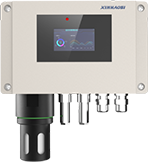
Smart monitoring systems tailored for municipal underground gas pipelines and utility networks.
Safety instrumentation requires third-party validation to ensure performance under extreme conditions. When inspecting natural gas detector factories, several quality benchmarks must be verified:
Xinhaosi works with global partners to deploy gas safety solutions across major utility and industrial projects. As highlighted in our recent participation at the Western China Cross-Border E-Commerce Expo and the Sichuan-Indonesia Industry Matchmaking Conference, our team is committed to delivering localized safety equipment tailored to the regulatory standards of Southeast Asia, Europe, and Latin America. By combining our production capacity with localized support networks, we ensure that projects are supported from technical selection through installation and commissioning.
Practical technical insights to help engineers, safety managers, and procurement officers build safer systems.
Catalytic combustion sensors burn target gas on an active bead, changing resistance in a bridge circuit. While cost-effective, they require oxygen and are vulnerable to poisoning from silicones, lead, or halides. Non-Dispersive Infrared (NDIR) sensors measure infrared absorption at specific gas wavelengths. They are immune to poisoning, do not require oxygen, and offer longer lifespans, making them ideal for inert or harsh atmospheres.
Industrial standards typically recommend bump testing every 1 to 3 months, with full calibrations performed every 6 months depending on the environment. In environments with high dust, moisture, or background gas, calibration intervals should be shortened to prevent drift and ensure accurate sensor readings.
Normally Open (N.O.) solenoid valves are designed to prevent accidental shutoffs during power failures, keeping systems running safely. They require a brief electrical pulse from the gas controller to trip and lock closed when a leak is detected. This manual reset requirement ensures the valve cannot reopen until a technician inspects the area and confirms it is safe.
Flameproof (Ex d) enclosures are designed to contain internal explosions, cooling hot gases before they can escape and ignite surrounding hazardous atmospheres. Intrinsically Safe (Ex i) systems limit electrical and thermal energy under normal and fault conditions, preventing spark ignition. The choice depends on the installation area and sensor requirements.
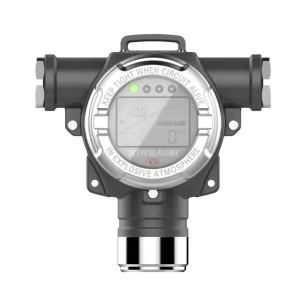
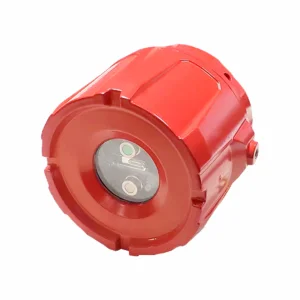
Explore our premium grade explosion-proof gas detectors, dual-spectrum flame sensors, and intelligent interlock controllers.
Keep up with Xinhaosi's technology milestones, exhibitions, and international safety cooperations.
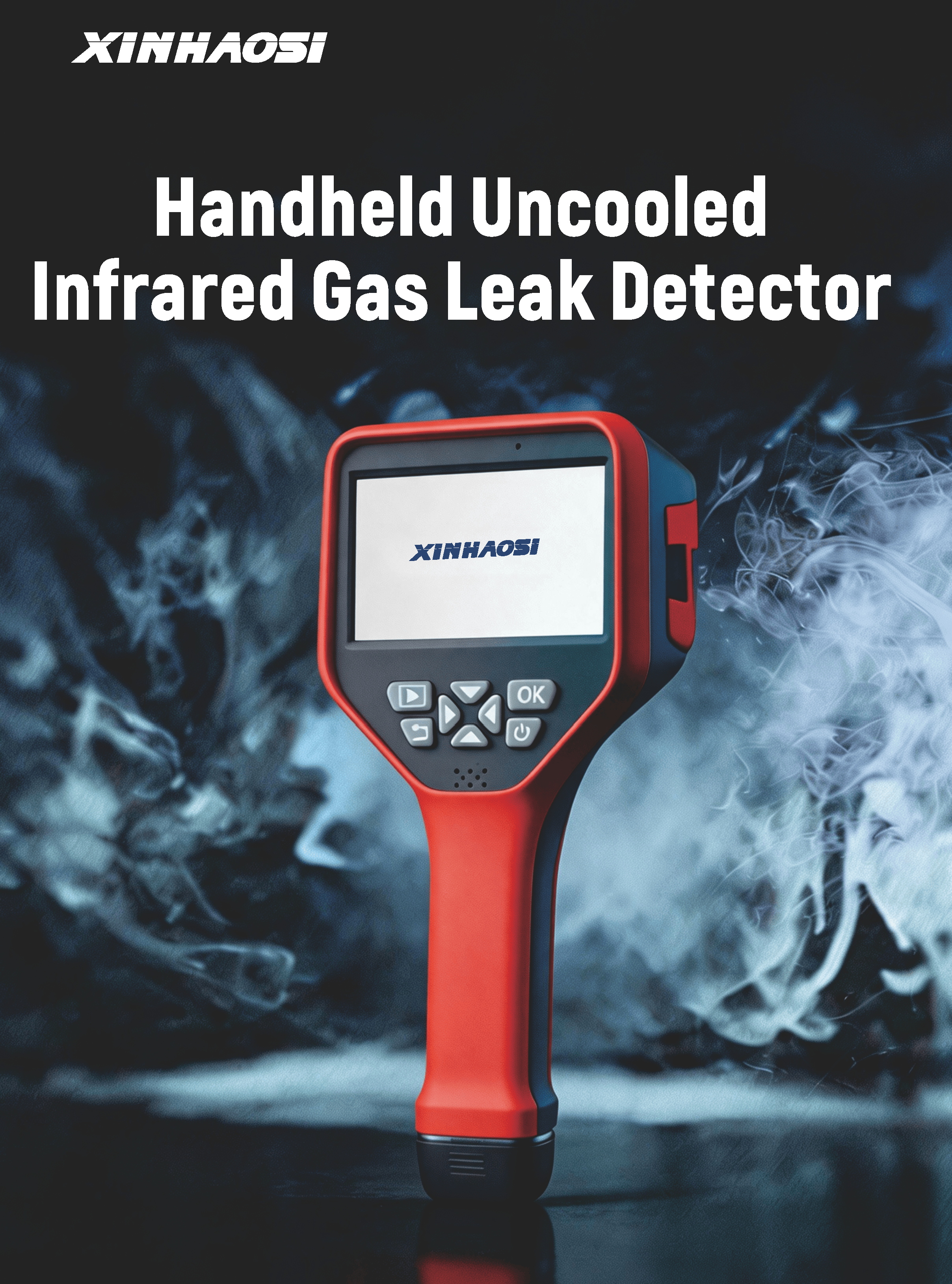
Xinhaosi Electronic Detection Technology Co., Ltd. officially launched its new Handheld Uncooled Infrared Gas Leak Detector, featuring dual-technology fusion, ultra-fast response, and long-distance non-contact detection to enhance safety and efficiency in petrochemical, refrigeration, natural gas and industrial safety scenarios.
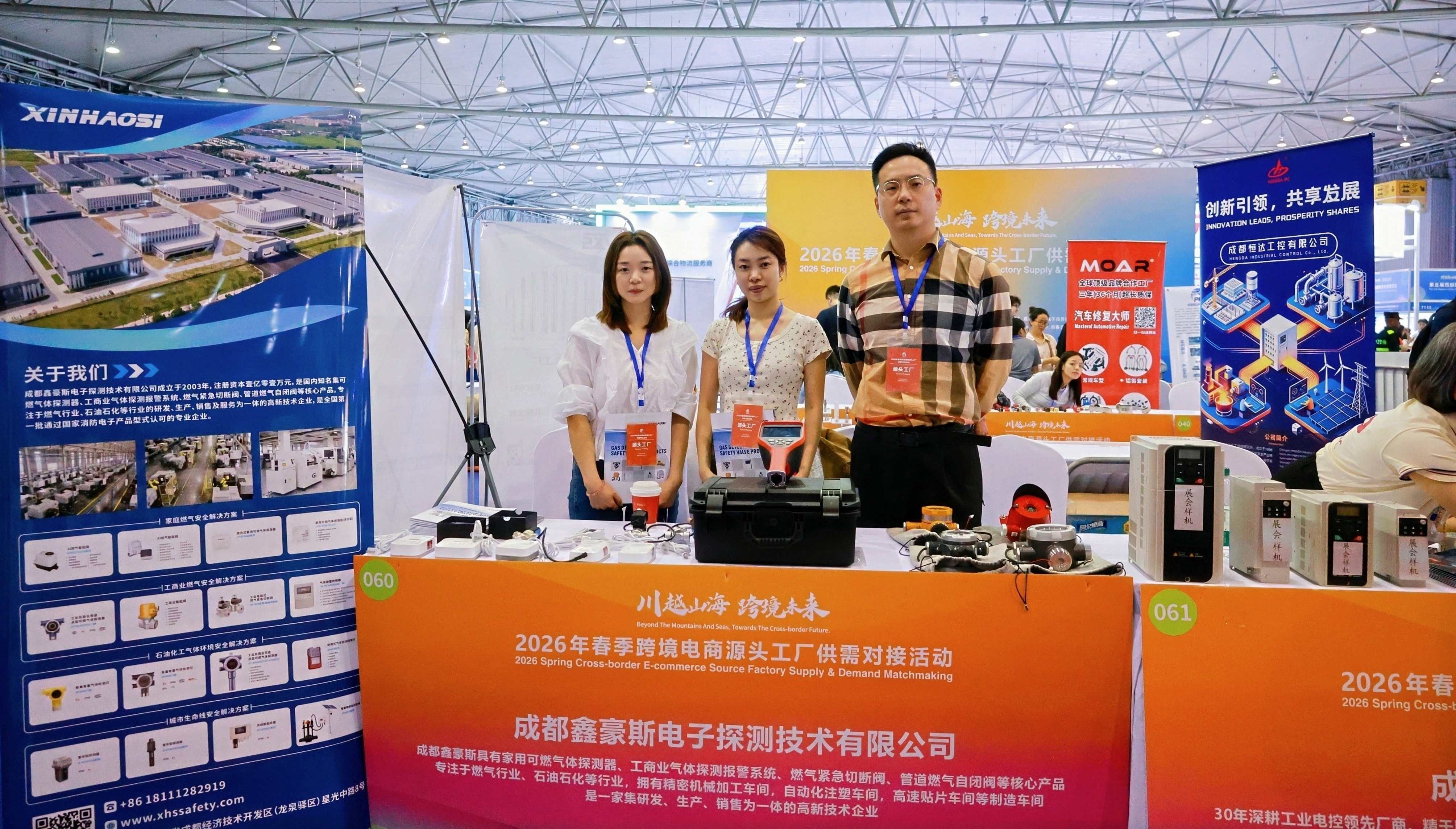
XINHAOSI recently participated in the 5th Western China Cross-Border E-Commerce Expo held in Chengdu. The event brought together cross-border e-commerce platforms, global buyers, manufacturers, and supply chain companies, creating new opportunities for international business cooperation and overseas market development.

XINHAOSI recently participated in the 2026 Sichuan (Chengdu) – Indonesia Industry Matchmaking Conference held in Chengdu. The event gathered enterprises and industry representatives from China and Indonesia to strengthen industrial cooperation and explore new business opportunities in Southeast Asia.
Collaborating with global enterprises, municipal corporations, and safety distributors to secure infrastructure worldwide.