Engineered to meet international safety criteria, delivering unmatched precision in methane and hazardous gas monitoring.
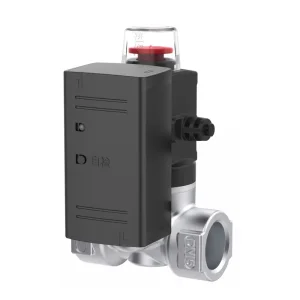
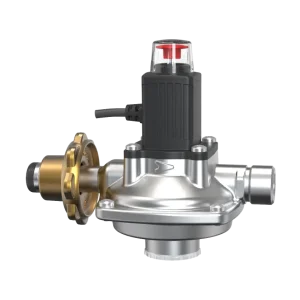
Methane (CH4) is a highly potent greenhouse gas with a global warming potential (GWP) more than 80 times greater than carbon dioxide over a 20-year timescale. In response to international agreements like the COP28 Methane Pledge and increasingly stringent regulations—such as the US EPA's Super-Emitter Program and the EU's Methane Import Rules—industries worldwide are under pressure to establish continuous monitoring regimes.
This shift from periodic inspection rounds using handheld cameras to continuous, automated detection systems has altered the technology matrix for methane sensors. High-precision Non-Dispersive Infrared (NDIR) and Tunable Diode Laser Absorption Spectroscopy (TDLAS) technologies are increasingly favored over traditional catalytic bead sensors due to their drift-free operation, resistance to poisoning, and long-term calibration stability.
Strict ESG guidelines, Net-Zero carbon targets, and zero-tolerance policies on fugitive emissions are compelling energy operations, municipal pipelines, and agricultural facilities to integrate highly sensitive methane alarms.
Leak Detection and Repair (LDAR) standards require real-time reporting via intelligent telemetry gateways, changing how procurement officers evaluate chemical plant safety apparatus.
Industrial procurement teams require more than off-the-shelf components. They seek integrated solutions that address local safety regulations and harsh deployment conditions.
Procuring methane sensors for hazardous areas requires international certification, such as ATEX (Europe), IECEx (Global), and UL/FM (North America). Equipment must feature explosion-proof enclosures, flame paths, and intrinsically safe electrical designs to prevent ignition in explosive gas mixtures.
Operational costs depend heavily on the sensor's calibration frequency. Modern NDIR-based methane detectors offer up to 5-10 years of sensor lifespan with minimal zero-point drift. This reduces field calibration cycles from monthly intervals to once or twice a year, lowering the total cost of ownership (TCO).
Modern process automation relies on robust communication protocols. Modern methane transmitters must integrate with existing Distributed Control Systems (DCS) or SCADA platforms via 4-20mA, Modbus RTU/RS485, HART, or wireless protocols like LoRaWAN, NB-IoT, and Zigbee.

The global transition to advanced safety instrumentation has placed high-end Chinese manufacturing centers at the core of the international supply chain. As a reliable manufacturing hub, we operate state-of-the-art facilities that integrate automated calibration, digital testing environments, and high-precision assembly processes.
Our Factory 4.0 implementation includes robotic micro-soldering, environment-controlled aging chambers, and automated gas mixing and calibration stations. This guarantees that every sensor module leaving the factory meets strict calibration parameters. Our high degree of vertical integration allows us to offer OEM and ODM customization for housings, firmware, telemetry modules, and certifications while maintaining short lead times.
Translating invisible hazards into actionable, real-time safety data through advanced electronic detection systems.

Founded in 2003, Xinhaosi has grown into one of the most influential and reliable brands in the gas safety industry. We provide customer-focused products and services designed to safeguard the operations of factories, municipal infrastructure, commercial properties, and residential environments.
Powered by advanced production systems and technology, we deliver reliable and precise gas safety solutions. By making invisible threats visible, we help create a safer future for industries worldwide.
From raw sensor elements and explosion-proof casting to wireless transmission gateways and automated shutoff valves, we engineer every critical safety point. This end-to-end control ensures system compatibility and minimizes point-of-failure vulnerabilities.
Discover our key engineering focus areas, designed for seamless industrial and municipal integration.
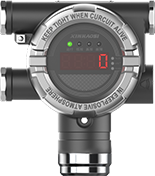
Precision sensing systems for hazardous process areas.
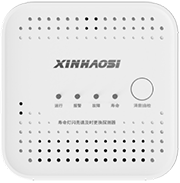
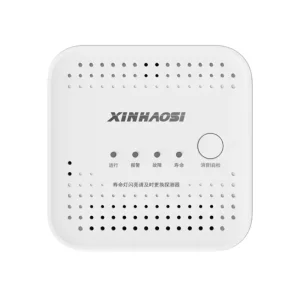
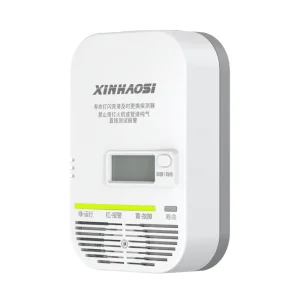
Reliable safety monitors for residential and commercial spaces.
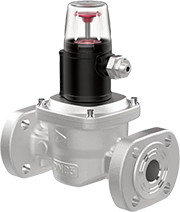
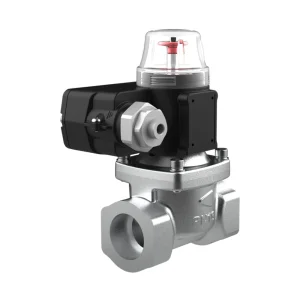
Rapid-shutoff safety valves to stop leaks at the source.
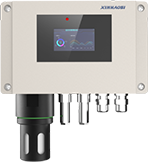
Smart grid integration for municipal utility pipelines.
Reliable gas safety hardware engineered to perform in complex and demanding environments.
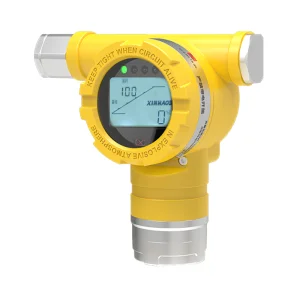
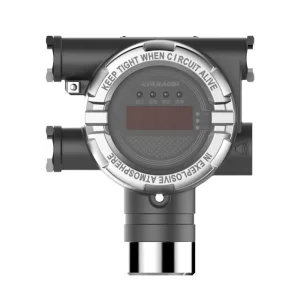
Refineries demand continuous monitoring for fugitive gas leaks. Utilizing industrial transmitters like the AT0602 Explosion Proof Gas Detector allows plant operators to map VOCs, methane, and toxic emissions in Zone 1 and Zone 2 areas, feeding data back to central SCADA systems via Modbus RTU.
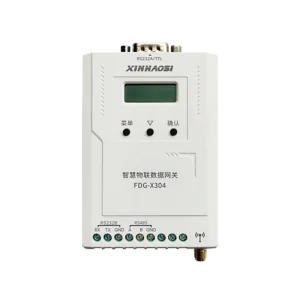
Urban gas monitoring relies on reliable network links. Integrating the FDG-X304 Intelligent Data Gateway with municipal distribution sensors enables remote monitoring across city pipelines. The gateway automatically transmits status reports and alert logs to city operators.
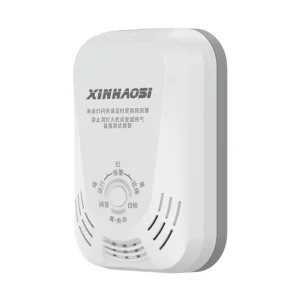
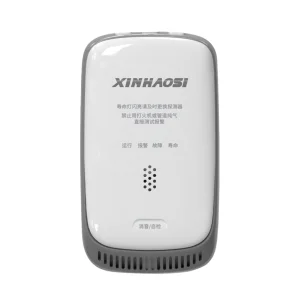
Domestic installations need fast, reliable shutoff systems. Connecting household gas detectors, such as the JT-AT2007 Series, with emergency Normally Open Gas Solenoid Valves ensures that if a leak is detected, the gas supply is immediately isolated at the main valve.
Find technical answers on product integration, calibration, and gas safety standards.
NDIR (Non-Dispersive Infrared) sensors utilize the specific infrared absorption spectrum of methane (around 3.3 or 3.4 microns) to calculate concentration. NDIR sensors are highly resistant to sensor poisoning (from silicones, halogens, or sulfur compounds), require no oxygen to operate, and offer long-term calibration stability.
Catalytic Bead sensors rely on the physical combustion of gas on a catalyst-coated active bead. While lower in initial cost, they require oxygen, can be poisoned by trace chemicals, and exhibit greater drift over time, necessitating more frequent field calibration.
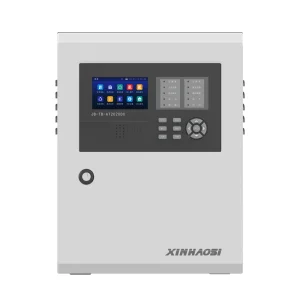
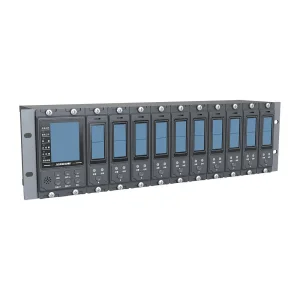
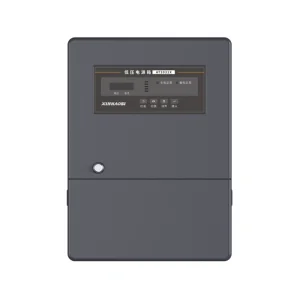
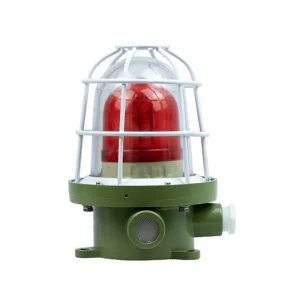
Central controllers like the JB-TB-AT2020DX act as the central hub for local sensor arrays. They receive standard 4-20mA analog inputs or RS485 digital daisy-chained inputs from distributed transmitters, map concentration levels, trigger local audible/visual alarms (like the BBJ-24X), and control auxiliary equipment (like solenoid shutoff valves) through programmable relay contacts.
Equipment deployed in areas with explosive gas mixtures must carry explosion-proof certifications like ATEX, IECEx, or UL. The housing must be designed to withstand an internal explosion without propagating it to the surrounding environment (Flameproof "d" or Intrinsic Safety "ia/ib"). Product series like our AT0602 are designed to meet these safety standards for hazardous industrial areas.
When a detector (e.g., the JT-AT2004A series) identifies a gas concentration exceeding its preset alarm threshold (typically 10% LEL), it outputs an electrical pulse (usually 9V-12V DC) to the connected Normally Open Solenoid Valve. This triggers the valve's internal mechanism, closing it instantly to cut off the gas supply. The valve remains locked closed until it is manually reset after the leak is resolved.
Collaborating with leading global enterprises to deliver reliable, long-term gas safety installations.








Stay informed about our latest research milestones, international exhibitions, and technology releases.
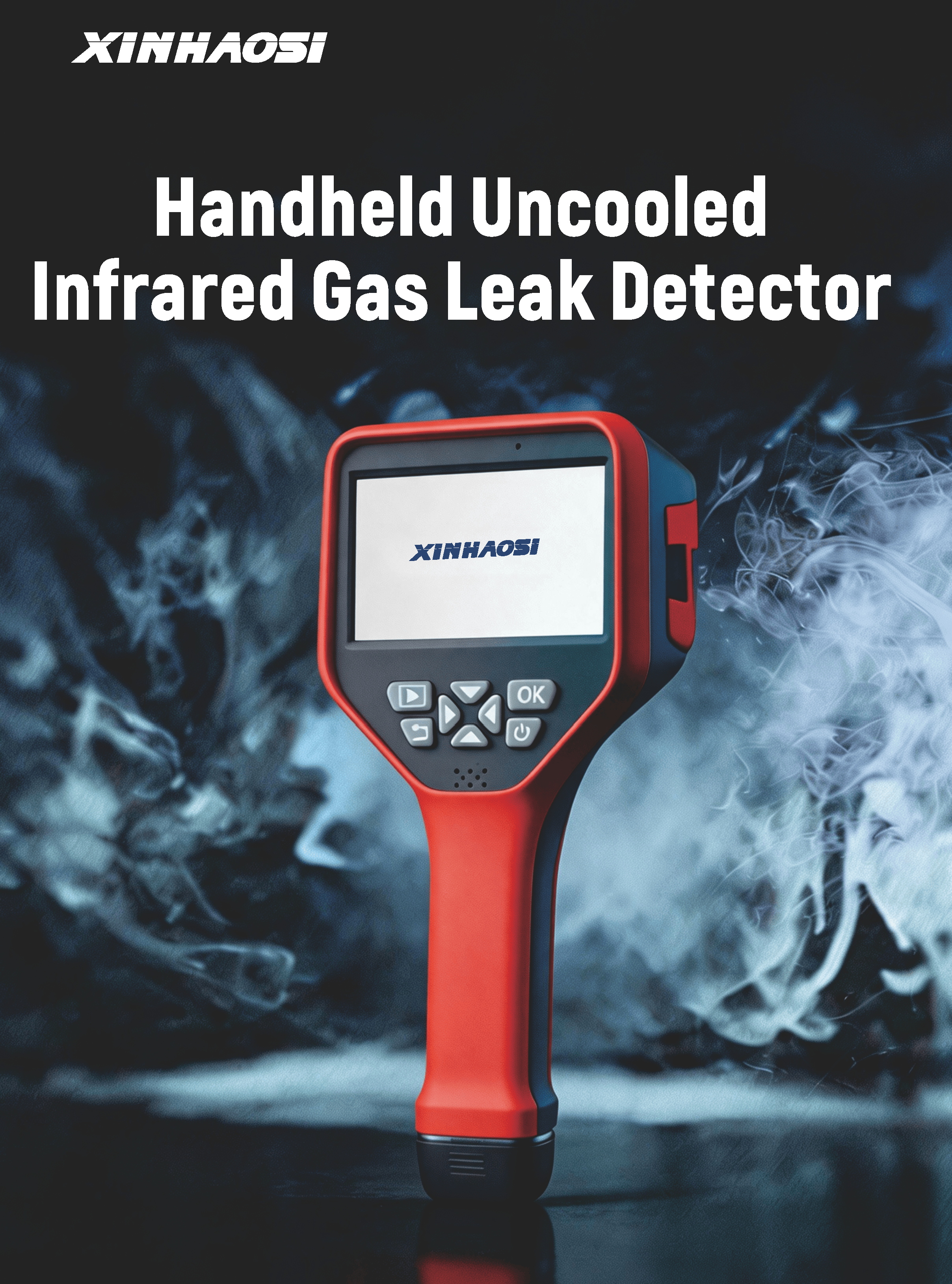
Featuring dual-technology optical fusion for fast, non-contact methane and gas leak visualization at extended distances.
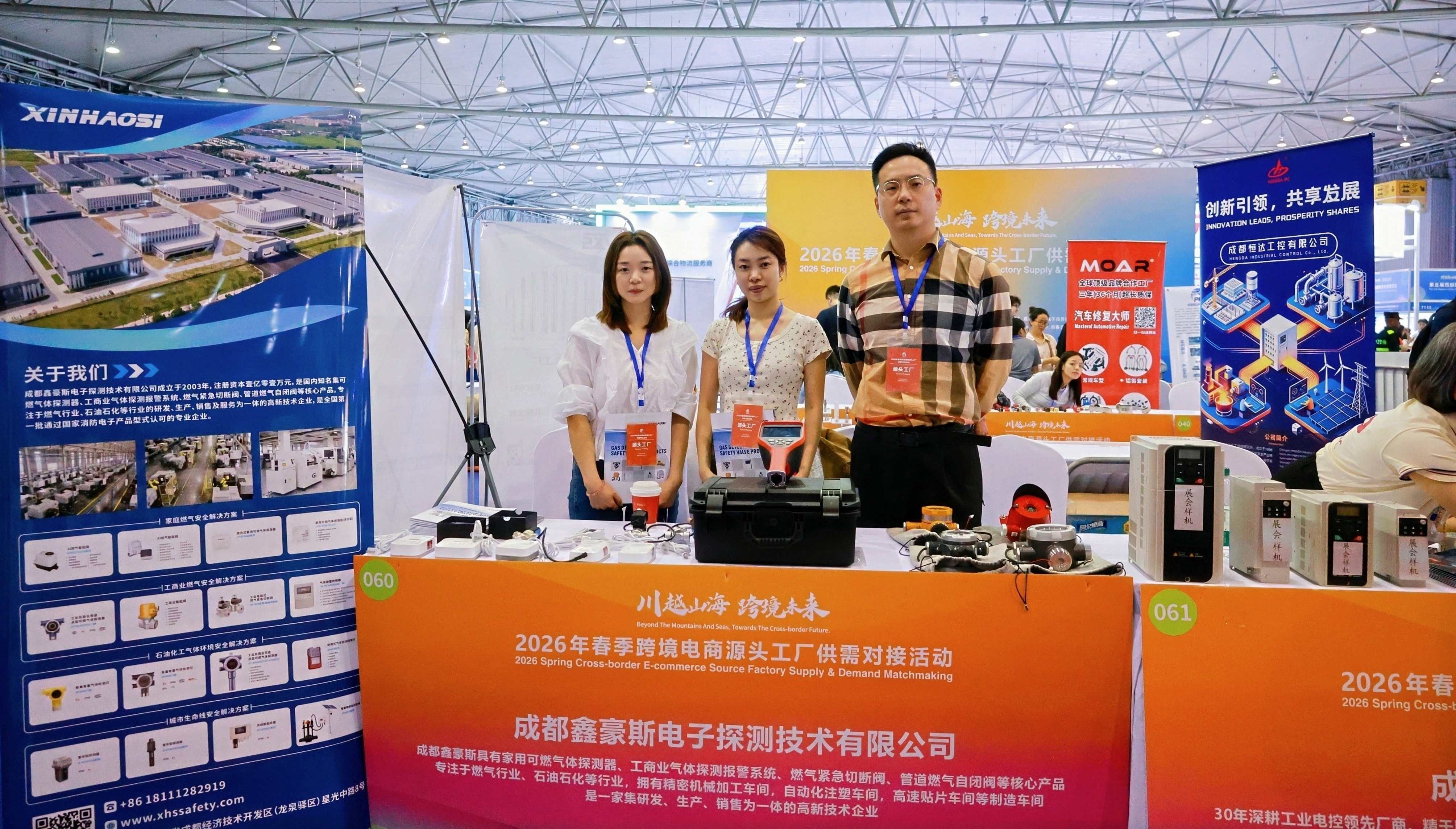
Connecting with international industrial buyers to establish regional safety distribution networks.

Forging partnerships to deploy intelligent urban gas networks and industrial monitoring equipment across Southeast Asia.
Complete your environmental monitoring system with our reliable controllers, solenoids, and indicators.