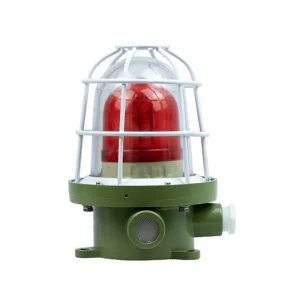
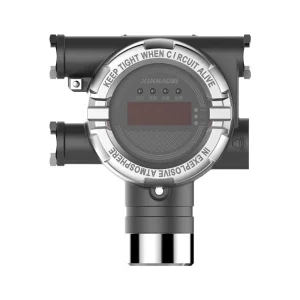
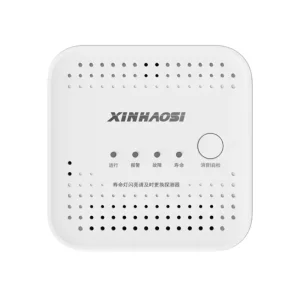
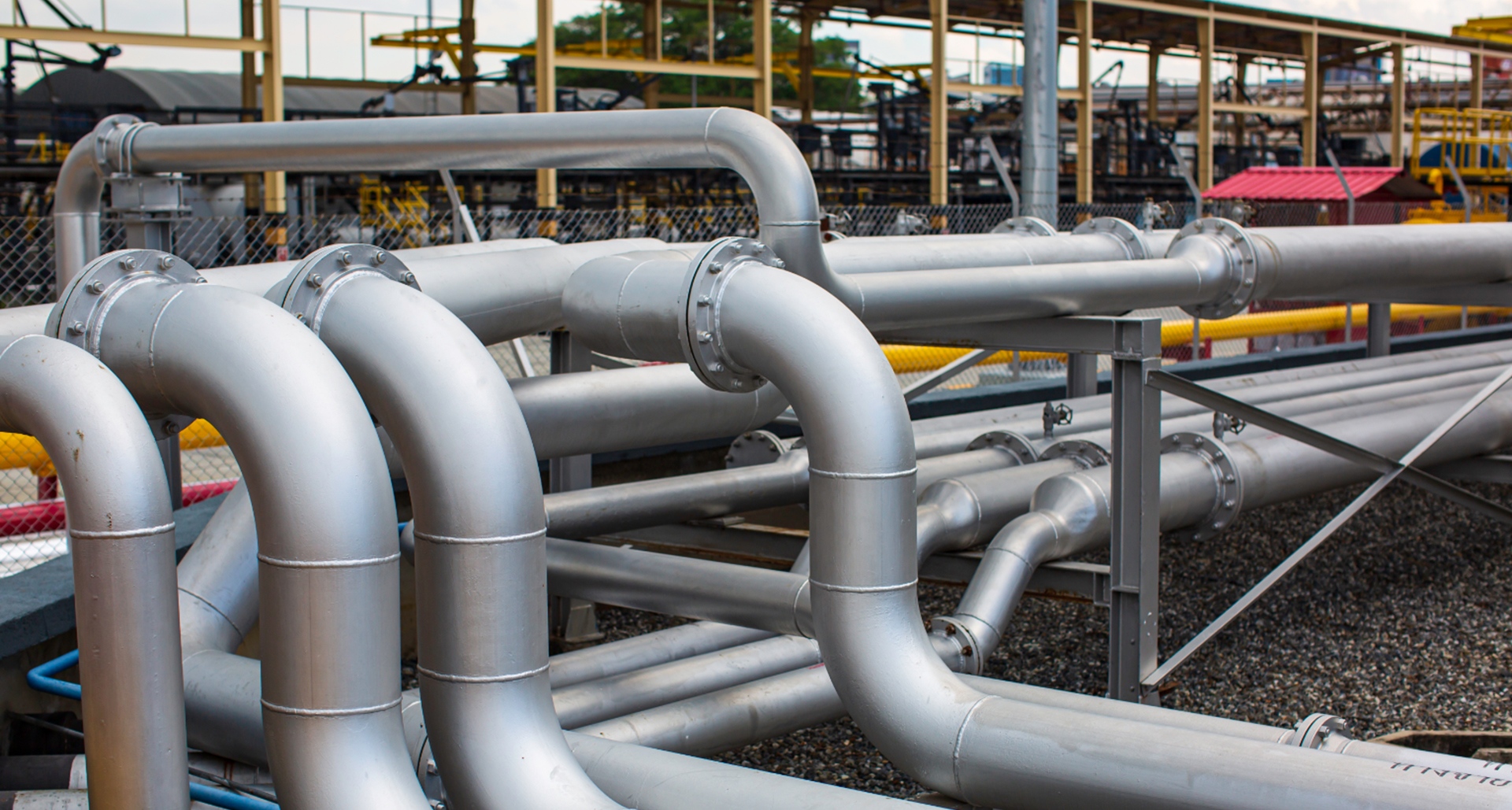
Explore our premium selection of LEL controllers, household safety alarms, and certified explosion-proof sensors engineered for maximum reliability.
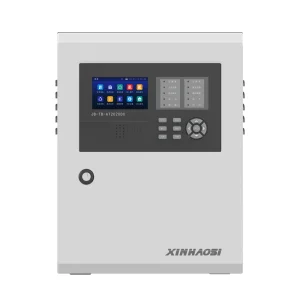
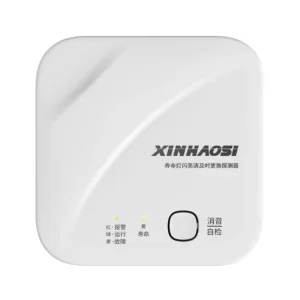
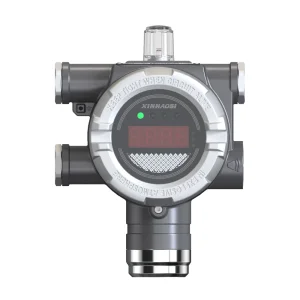
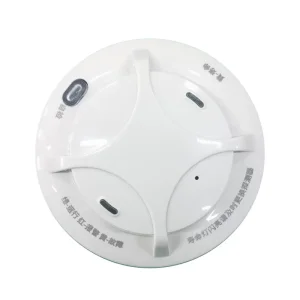
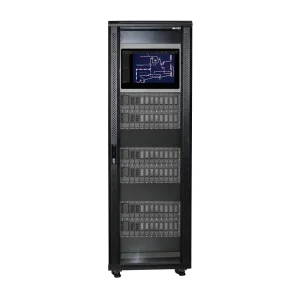
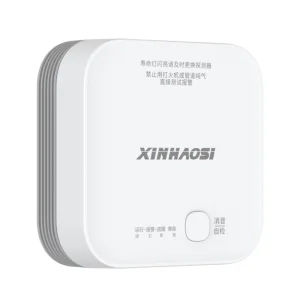
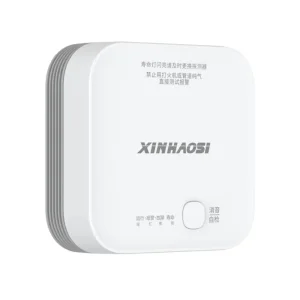
Founded in 2003, Xinhaosi has risen to become one of the most influential and reliable brands in the global gas safety and industrial monitoring sectors. Leveraging nearly two decades of precision research, we design customer-focused products and services that safeguard complex industrial pipelines, urban distribution lines, offshore installations, and residential spaces.
We utilize advanced electronic detection technology to make unknown gas leak risks clear and visible. Powered by cutting‑edge production systems and automation technology, we deliver more advanced, intuitive, and precise gas safety solutions for shaping a safer future world. Every system is built under stringent quality parameters to guarantee high repeatability, long lifetime, and zero-drift operation.
Learn More About Our Factory Profile
Lower Explosive Limit (LEL) gas detectors serve as the frontline defense against catastrophic combustion hazards in industrial environments. Over the past decade, the gas detection industry has moved rapidly beyond simple analog relays toward smart, multi-wavelength, and digital communication systems. The key industry drivers reshaping modern LEL detection include:
Traditional catalytic bead sensors have faced vulnerabilities regarding silicon poisoning and halogen exposure. Modern industrial LEL sensors employ highly specialized sintering techniques and poisoned-resistant catalytic materials, extending operational life spans even in environments characterized by chemical background noise.
Non-Dispersive Infrared (NDIR) detection has emerged as the premier standard for monitoring hydrocarbons. By measuring the specific light absorption wavelengths of carbon-hydrogen bonds, NDIR systems provide absolute poison immunity, require no oxygen to operate, and offer extremely low cost of ownership over 10+ year timelines.
Modern infrastructure requires continuous data streams. Today’s LEL transmitters integrate Modbus RTU, HART protocols, and wireless LoRaWAN/4G interfaces to feed diagnostic and telemetry data directly into enterprise SCADA networks. Safety Integrity Level (SIL2/3) compliance ensures hardware reliability and fail-safe operation.
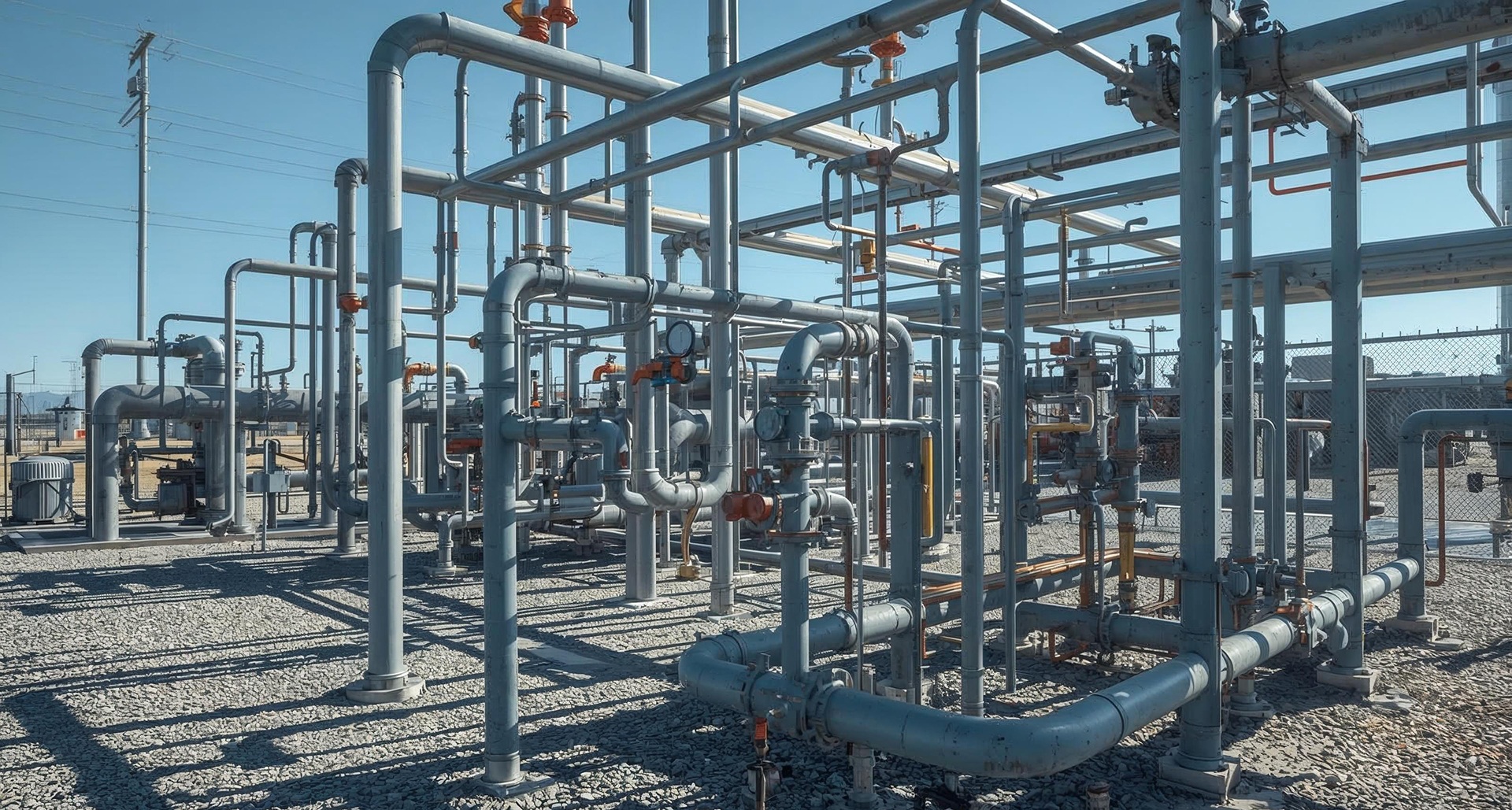
Global procurement teams in the oil and gas, chemical processing, and municipal energy sectors look for three key attributes when selecting LEL Gas Detector manufacturers: strict regulatory certificates, production repeatability, and end-to-end integration capabilities.
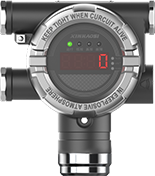
As a leading Chinese supplier and manufacturing factory, Xinhaosi operates dedicated automated cleanrooms, precision gas calibration chambers, and temperature/humidity stress testing loops. This ensures every explosion-proof combustible gas detector (such as the GTYQ-XP4000 series) conforms to rigorous global compliance standards before dispatch.
By streamlining our supply chain, we offer OEM/ODM partners custom enclosures, private label options, and integrated Modbus/4G configurations. Our robust product range covers household LEL sensors, heavy industrial gas controllers, and flame alarms, giving procurement officers a single-source solution to secure their entire enterprise infrastructure.
From extraction points to distribution pipelines, our systems protect critical nodes in energy networks.
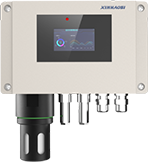
Decades of engineering excellence summarized in measurable benchmarks of trust.
Mitigating combustible gas risks requires a tiered approach, utilizing specific sensor technologies for the unique conditions of each operational zone.
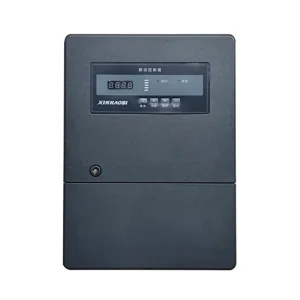
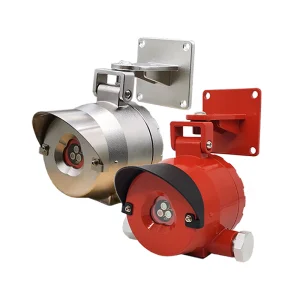
Petroleum facilities present high ambient concentrations of corrosive compounds, salts, and background volatile organic chemicals. Catalytic sensors easily degrade in these environments. Xinhaosi recommends explosion-proof infrared LEL sensors coupled with the JB-TB-AT2020DX Controller series, providing self-diagnostic intelligence, robust enclosures (IP66/IP67), and triple-infrared (3IR) flame detectors to manage flash fire hazards in real-time.
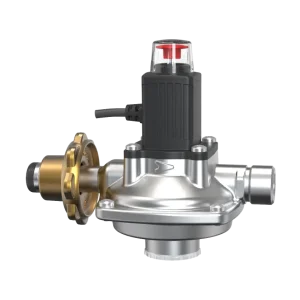
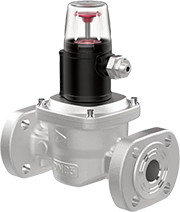
Subterranean municipal chambers and pipeline distribution interfaces often collect moisture, making continuous electrical monitoring difficult. We implement ultra-low power wireless LEL detectors that run on internal batteries or solar panels. In conjunction with our smart interlock control boxes, these sensors trigger localized pneumatic or electromagnetic valves to shut off supply mains at the moment a threshold is crossed.
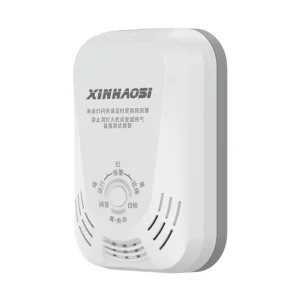
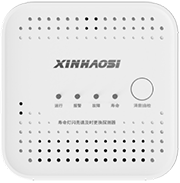
In household settings, natural gas (methane) and liquefied petroleum gas (LPG) leaks are primary concerns. Domestic LEL detectors require simple, reliable, and cost-effective semiconductor or catalytic sensors. The JT-AT2009 Series offers long-term drift-free stability, integrated audio-visual alarms, and dry contact relays to actuate home gas shutoff valves, ensuring residential safety.
As industrial processes transition toward automated smart factories, gas detection must keep pace. The next frontier in safety engineering is characterized by the following technical pathways:
Get answers to common technical, design, and regulatory questions from Xinhaosi's application engineers.
Working alongside international engineering groups, municipal grids, and OEM distributors to construct a safer world.








Keep up with our latest technical innovations, domestic expansions, and international collaborations.
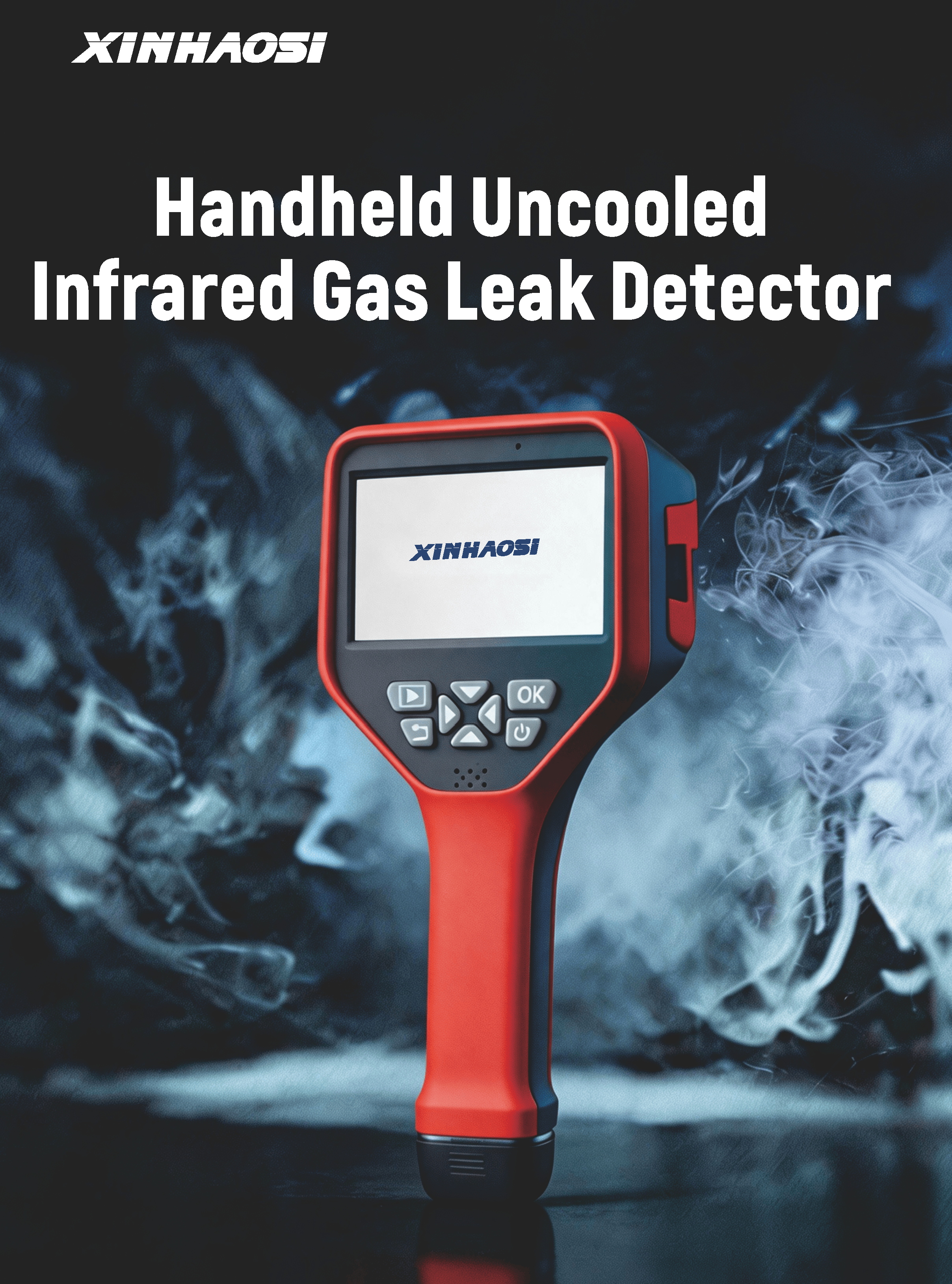
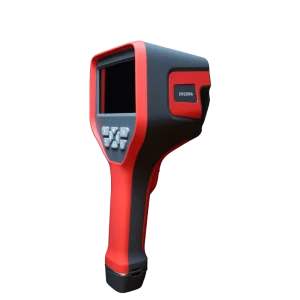
Xinhaosi Electronic Detection Technology Co., Ltd. officially launched its new Handheld Uncooled Infrared Gas Leak Detector, featuring dual-technology fusion, ultra-fast response, and long-distance non-contact detection to enhance safety and efficiency in petrochemical, refrigeration, natural gas and industrial safety scenarios.
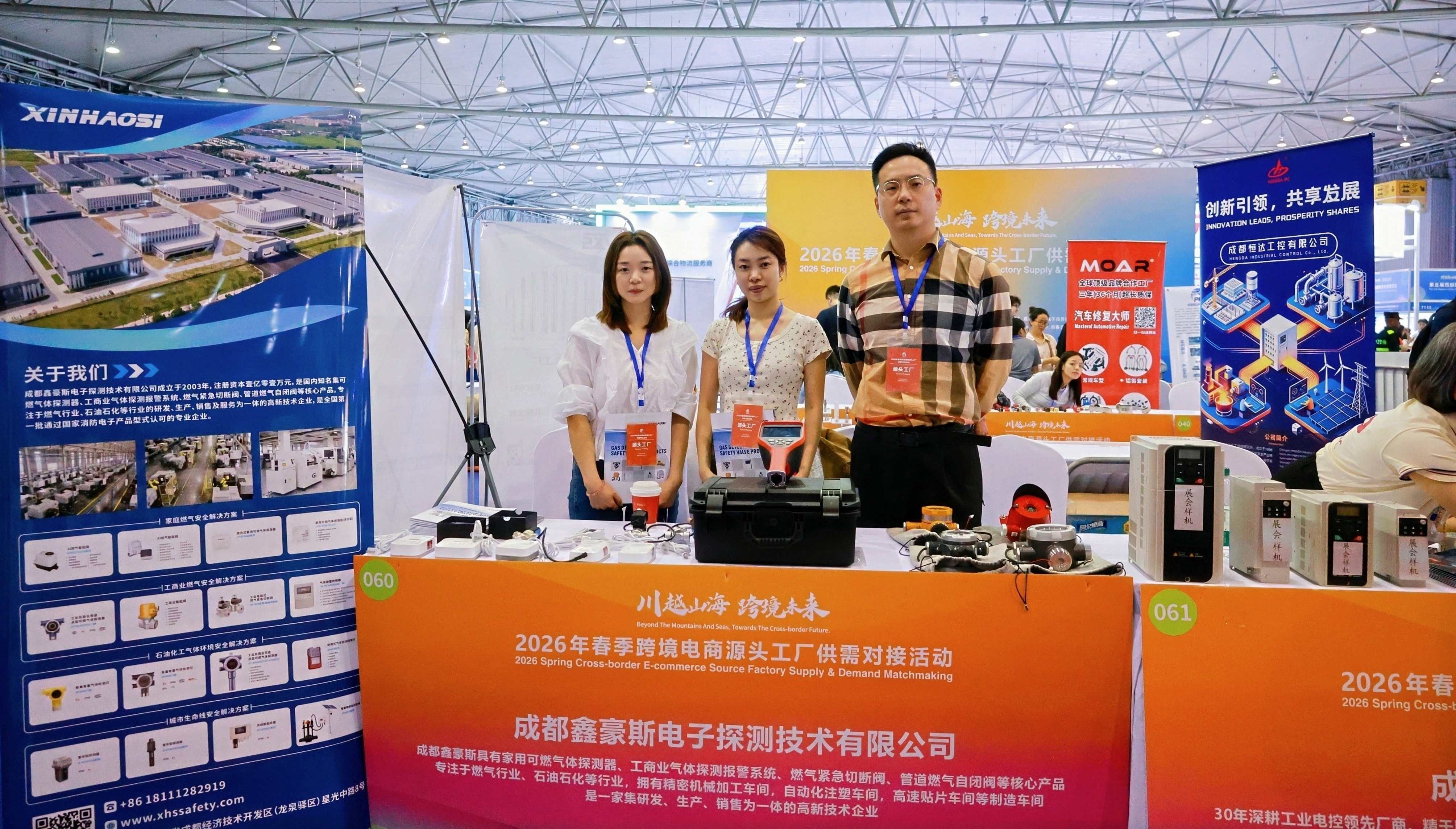
XINHAOSI recently participated in the 5th Western China Cross-Border E-Commerce Expo held in Chengdu. The event brought together cross-border e-commerce platforms, global buyers, manufacturers, and supply chain companies, creating new opportunities for international business cooperation.
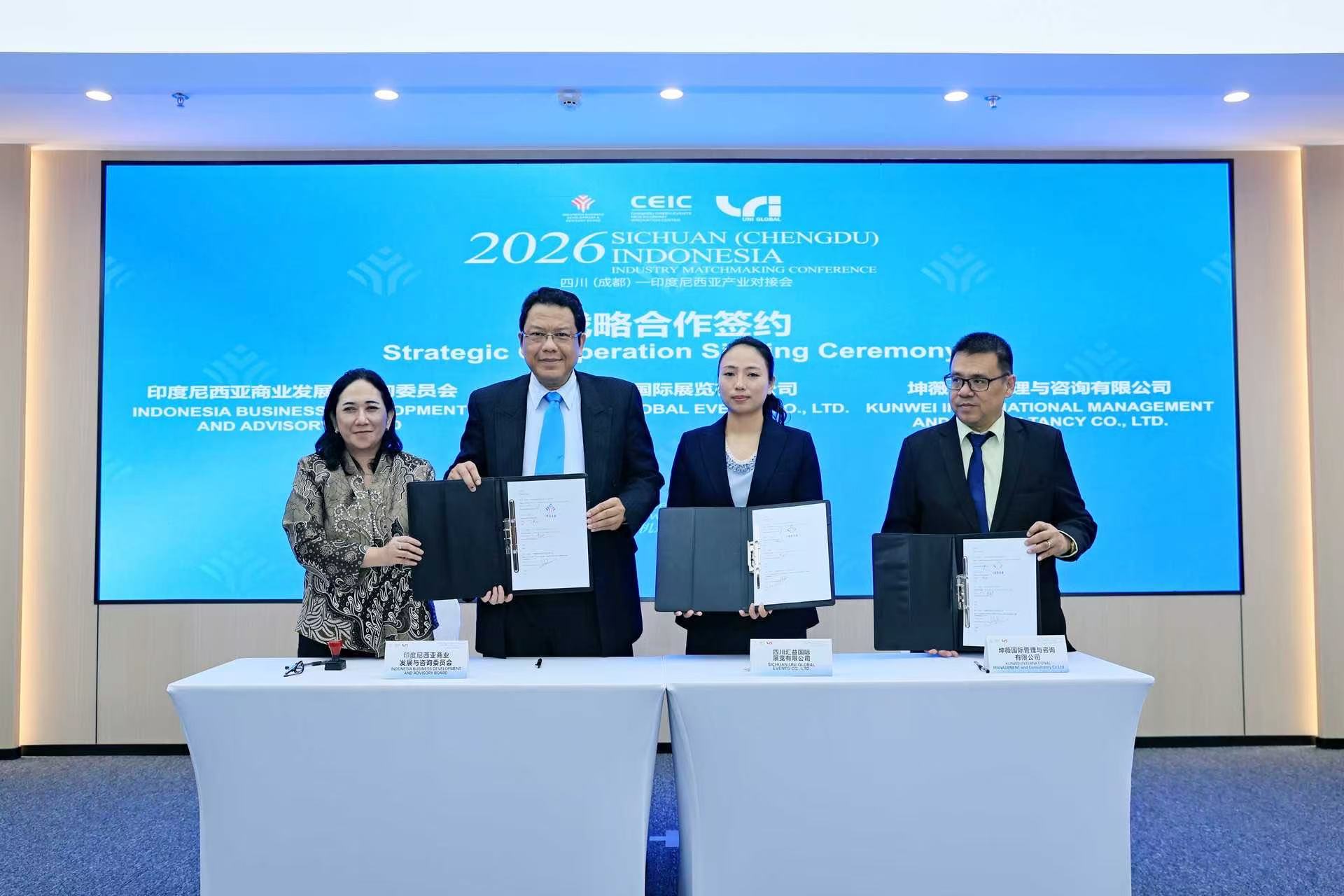
XINHAOSI recently participated in the 2026 Sichuan (Chengdu) – Indonesia Industry Matchmaking Conference held in Chengdu. The event gathered enterprises and industry representatives from China and Indonesia to strengthen industrial cooperation and explore new opportunities.
Explore auxiliary industrial equipment, handheld infrared sensors, alarms, and gas valve interfaces designed for custom project configurations.