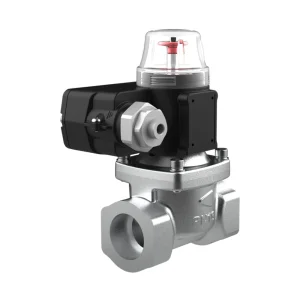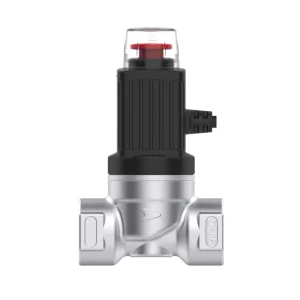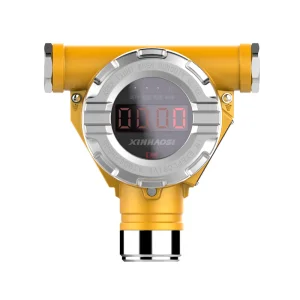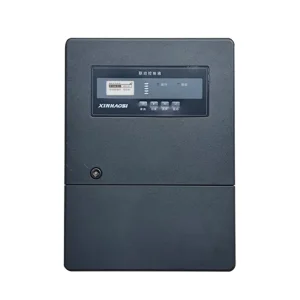

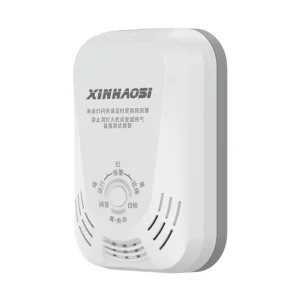
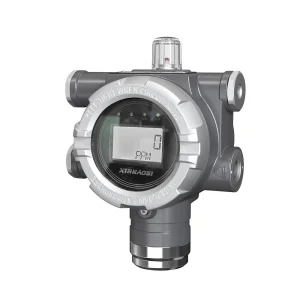
Emergency gas shut-off systems are critical components in industrial, commercial, and residential safety architectures. In these configurations, a gas shut off solenoid valve acts as the final control element that physically stops the flow of flammable or toxic gases (such as natural gas, LPG, or coal gas) when an anomaly or hazardous leak is identified.
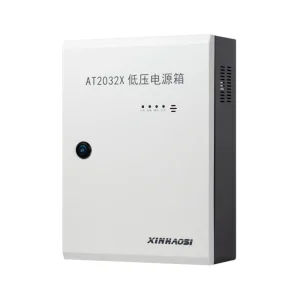
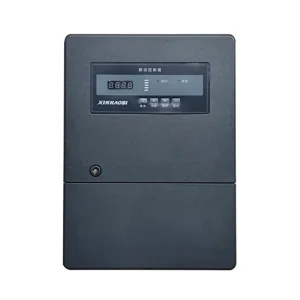
Operating mechanisms typically follow a Normally Open (NO) or Normally Closed (NC) topology. Normally Open valves are favored in gas supply lines because they consume zero electrical power under standard operating conditions. The valve is triggered to close via an electrical pulse (typically 12VDC to 24VDC, or 220VAC) sent from a centralized gas leak detection panel or interlock system, such as the JB-MK-AT2041/4G Interlock Control Box.
Once closed, the solenoid valve must remain closed until a safety engineer conducts a thorough inspection of the premises. Reopening is performed via a manual reset mechanism (mechanical pull rod), which prevents accidental automated reopening while gas concentrations may still hover above lower explosive limits (LEL).

Industrial gas shut-off valves must strictly comply with regional regulatory standards such as ATEX and IECEx for explosion-proof safety in explosive gas atmospheres (Zones 1 & 2). Solenoid systems must conform to CE EN 161 (European standard for automatic shut-off valves for gas burners and gas appliances) and UL429 / FM.
Partnering with top-tier Chinese manufacturers guarantees distinct supply chain resilience. High-quality precision machining capabilities of aluminum alloy and brass valve body castings are combined with fully automated copper-wire coil winding and testing facilities, reducing cost structures by 30% compared to Western manufacturers.
Every gas solenoid assembly undergoes helium mass spectrometer leak detection to confirm a zero-leak status. Rigorous testing checks air tightness under high working pressures up to 100 kPa and low-temperature durability profiles from -20°C up to +60°C.
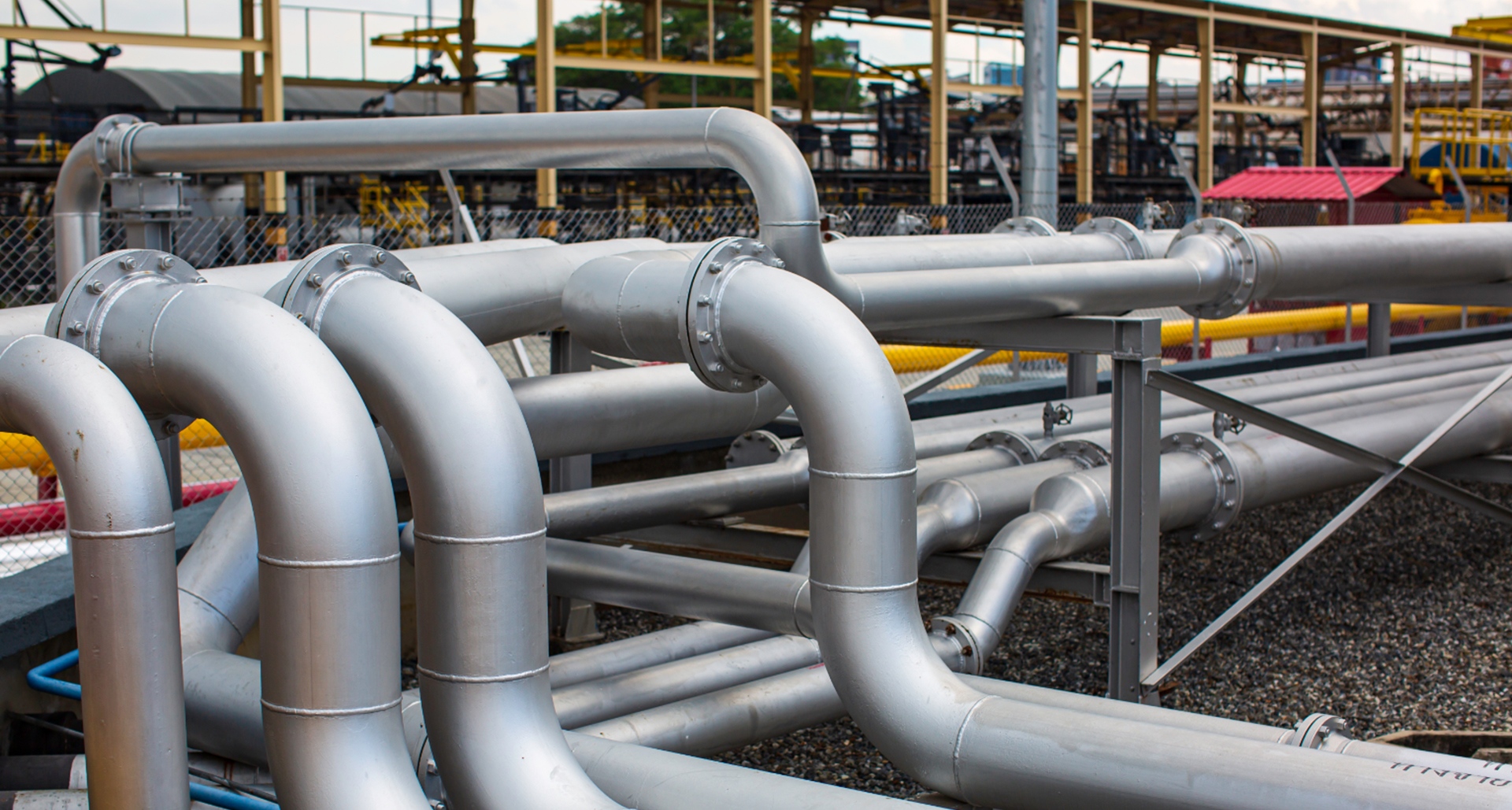
Founded in 2003, Xinhaosi has spent over two decades developing advanced electronic gas leak detection and automatic safety shut-off systems. The brand has built an influential presence, delivering customer-focused solutions designed to safeguard operations from single household settings to major chemical storage yards.
By integrating advanced gas concentration sensors, explosion-proof detection systems, and high-performance gas solenoid valves, Xinhaosi protects gas lines right from the source. The systems ensure that if combustible gases like LPG, LNG, or volatile organic compounds (VOCs) are detected above warning levels, the system automatically triggers the solenoid, shutting down the flow line in milliseconds.
Our core mission is to convert unknown environmental gas risks into clear, manageable datasets, forming a proactive shield for heavy industrial operations, smart cities, and homes.
In residential apartments and commercial kitchens, domestic gas detectors (such as the JT-AT2008 and JT-AT2018 series) are linked directly to household gas solenoid valves (like the XF2 Series). If a leak occurs due to burner failure or pipe damage, the system isolates the supply before gas reaches toxic or explosive concentrations.
High-output gas burners require rapid isolation valves in the fuel train to prevent unignited gas from entering hot combustion chambers. Industrial-grade Normally Open gas solenoids (such as the XF5III Series) are deployed alongside multi-sensor controllers to ensure quick shut-offs during high/low pressure alarms or flameout events.
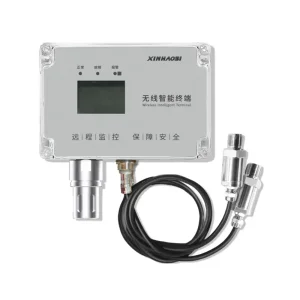
Pressure regulating stations and city gate manifolds utilize high-capacity solenoids linked with IoT terminals (like the GT-AT0636 Wireless Intelligent Terminal). Safety personnel monitor lines remotely, and systems trigger emergency shutdowns during pipeline ruptures, seismic events, or over-pressurization.
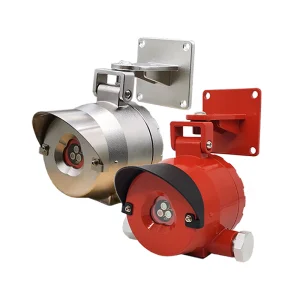
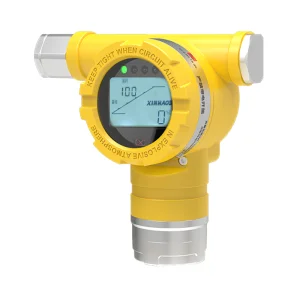
Combines flame detectors with hazardous area toxic gas gas sensors to provide precise sensing under extreme industrial conditions.
Easy-to-use, long-life gas alarms designed for apartments, hotels, and restaurants to prevent gas accumulation.
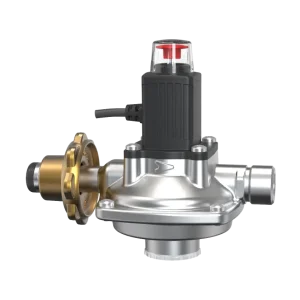
Heavy-duty, low-current drive solenoids built to shut off gas flow lines reliably during emergency trigger signals.
Integrated RTUs and low-power IoT monitoring interfaces designed to trace and control city-wide distribution networks.
The global emergency valve sector is shifting from reactive shut-offs to predictive safety networks. With the development of the Internet of Things (IoT), modern gas shut-off valves are increasingly integrated with smart terminals like the GT-AT0636 Wireless Intelligent Terminal and centralized controller setups, allowing engineers to track system telemetry and coil integrity in real-time.
Key industry trends shaping the sector include:
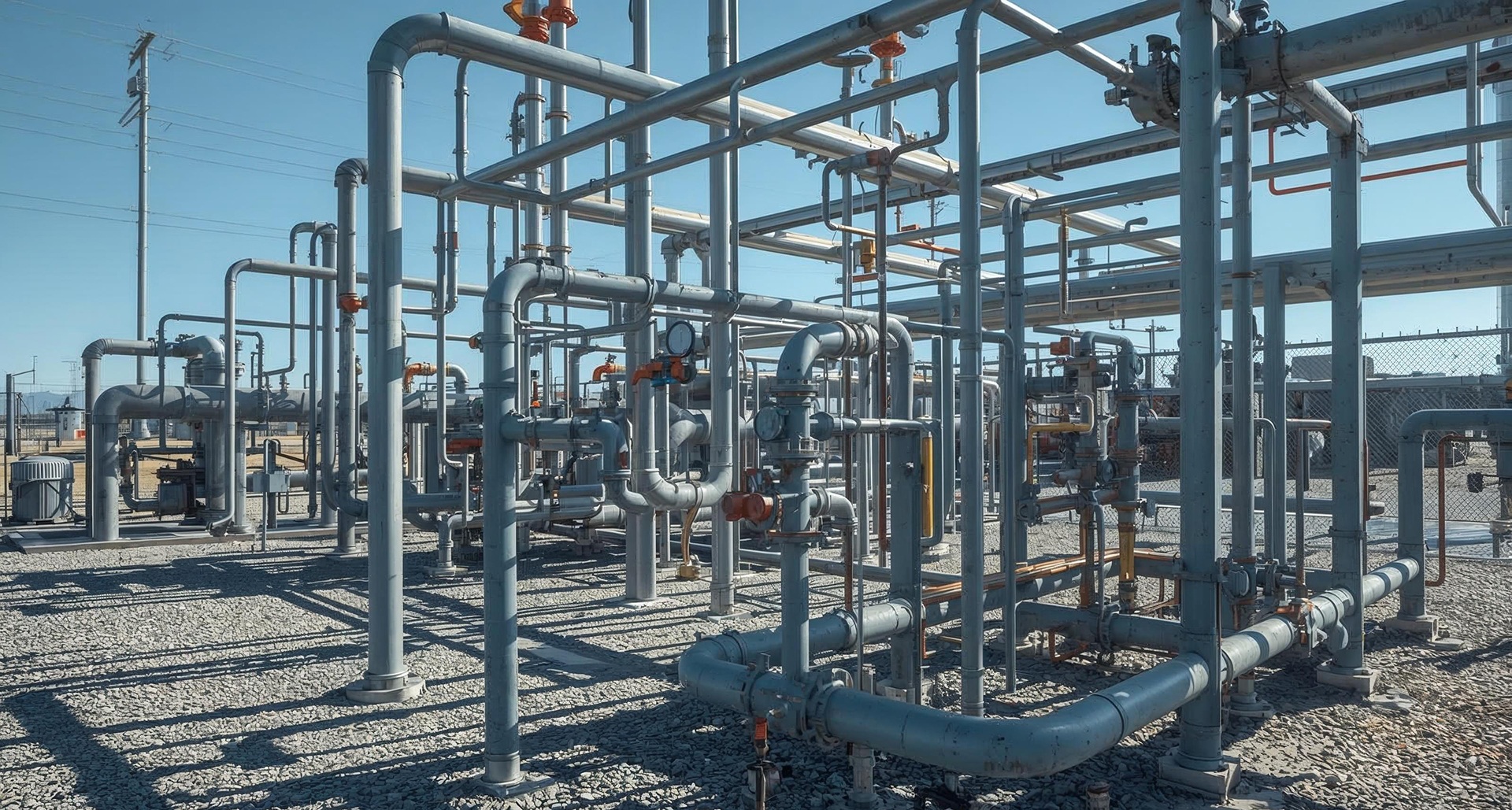
Normally Open (NO) valves remain open under normal working conditions without consuming electrical power, requiring a brief electrical pulse to shut off and a manual reset to reopen. This prevents automated restoration of gas flow before safety checks are completed. Normally Closed (NC) valves require constant electrical power to stay open; they shut off instantly if power is lost, making them ideal for systems prioritizing failure safety.
Xinhaosi gas shut-off solenoids deliver fast actuation, closing completely in less than 0.3 seconds from the moment they receive an electrical trigger. This rapid response helps isolate the line before escaping gas can ignite.
Valves installed in hazardous areas must carry explosion-proof approvals such as ATEX or IECEx (e.g., Ex d IIC T6). For functionality and safety integrity, valves must meet standards such as CE EN 161, UL429, and carry a Safety Integrity Level (SIL 2 or SIL 3) rating.
Yes, our equipment is built with dry contacts, RS485 Modbus, and 4G communication options. This enables integration into Building Management Systems (BMS), distributed PLC frameworks, and industrial fire alarm panels.
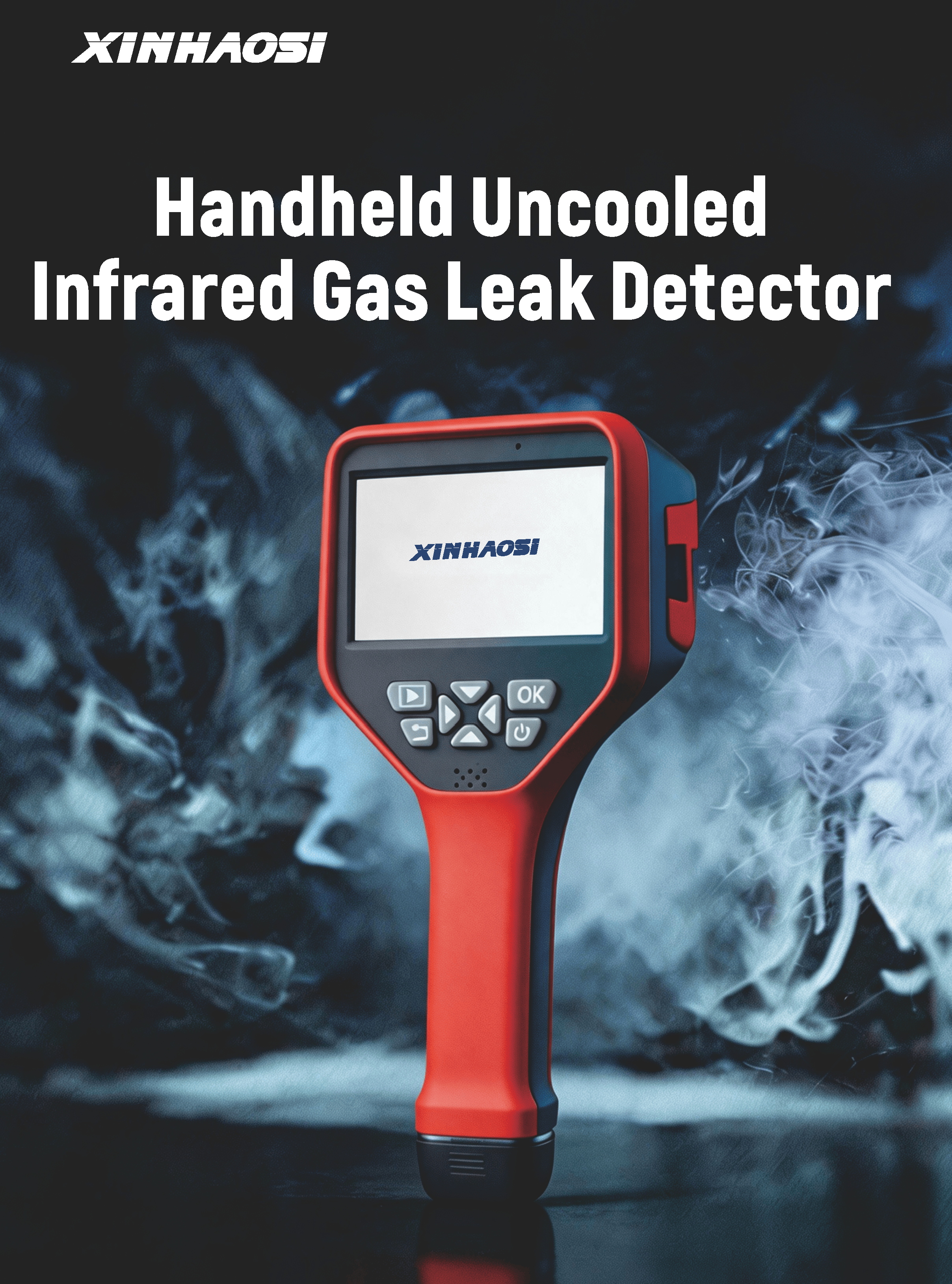
Featuring dual-technology fusion, ultra-fast response, and long-distance non-contact detection to enhance safety in petrochemical, refrigeration, and natural gas scenarios.
Read Article →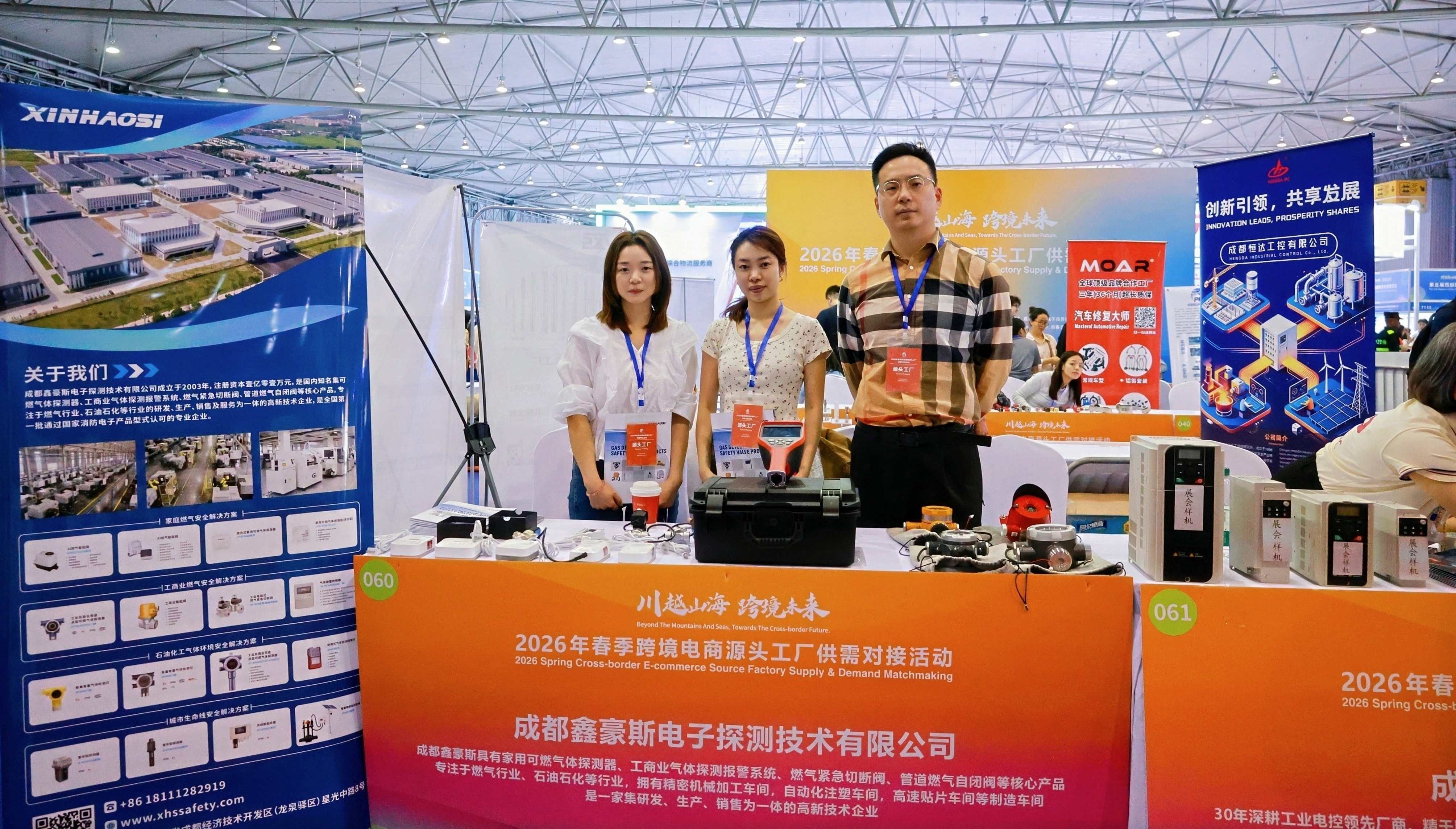
Connecting with global buyers and cross-border distribution platforms at the Chengdu expo to expand global reach and supply partnerships.
Read Article →
Strengthening manufacturing partnerships and establishing gas safety distribution networks across Southeast Asia.
Read Article →