Explore our industry-certified gas detection equipment, integrated shut-off valves, and telemetry pressure monitors engineered for robust hazardous-area and domestic deployment.
Founded in 2003, Xinhaosi has stood at the absolute forefront of electronic detection technology, serving as one of the most reliable and influential manufacturers in the global gas safety sector. By applying state-of-the-art sensory architectures and intelligent control protocols, we turn invisible atmospheric dangers into structured, actionable safety data.
Over two decades, we have focused on customer-centric design and strict adherence to international safety directives. Our mission is to secure industrial complexes, Municipal pipelines, commercial complexes, and modern smart homes. Powered by Industry 4.0 production standards, we configure robust, responsive, and precise telemetry gas systems to construct a safer, zero-accident environment globally.


We utilize diverse sensor technologies to address unique physical conditions, operational life cycles, and cross-sensitivity requirements across challenging industrial atmospheres.
Engineered for combustible gases like Methane (CH4) and Propane (C3H8). These sensors detect gas concentrations by measuring resistance changes caused by catalytic combustion on active platinum coils. They offer high stability, long-term accuracy, and resist false alarms from atmospheric variations.
Optimized for toxic concentrations (CO, H2S, O2, NH3). It monitors chemical oxidation-reduction reactions on a sensing electrode, generating a current output directly proportional to the gas volume. This technology ensures sub-ppm resolution and low power consumption for smart IoT devices.
A non-contact technology utilizing gas absorption wavelengths to target volatile organics, hydrocarbons, and Carbon Dioxide. Free from poisoning by silicones or sulfur compounds, NDIR delivers an extended operational lifespan (10+ years) and works effectively in oxygen-deficient areas.
The industry is transitioning toward digitalized safety networks. Xinhaosi integrates LoRaWAN, NB-IoT, 4G/5G Cat-M protocols, and standard MODBUS RTU interfaces directly into its device lines. By combining IoT connectivity with on-board AI algorithms, our sensors perform dynamic temperature compensation, self-calibration, and baseline correction, minimizing false alarms while offering real-time cloud diagnostic telemetry.
We manufacture specialized detection, monitoring, and automated response systems tailored to four key safety applications.
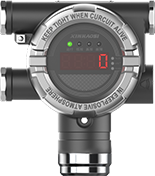
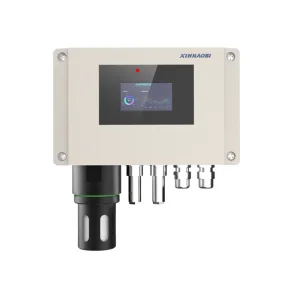
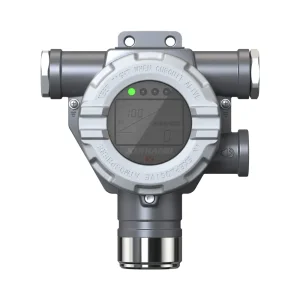
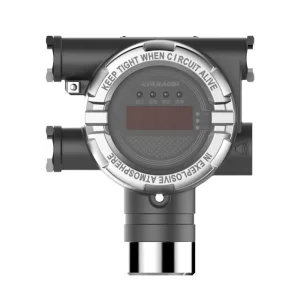
High-precision, explosion-proof detection systems designed to endure harsh refinery, chemical processing, and mining environments. Features ATEX, IECEx, and SIL2 compliance.
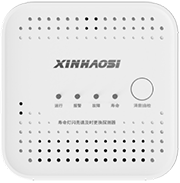
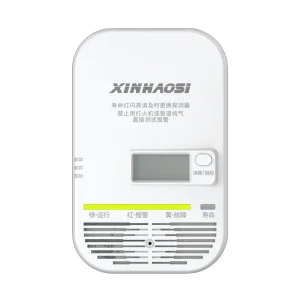
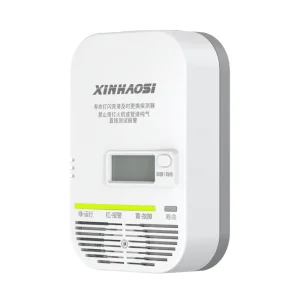
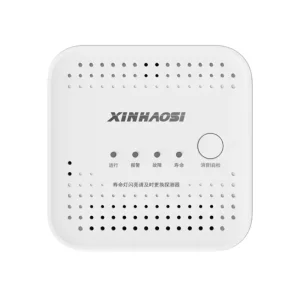
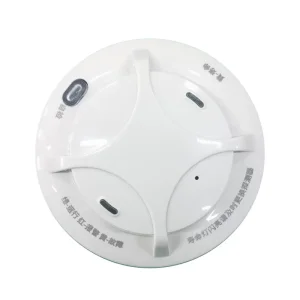
Smart detectors tailored for kitchens, boiler rooms, and light commercial buildings. Offers localized alarms, status displays, and relay interfaces for safety shut-off valves.
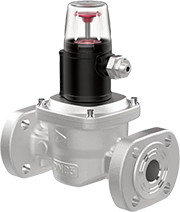
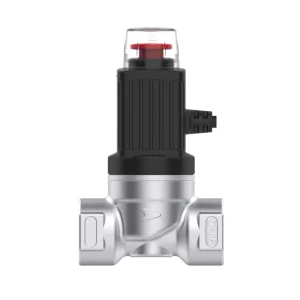
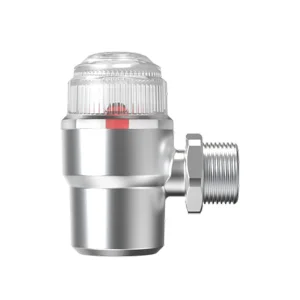
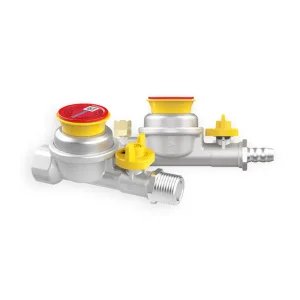
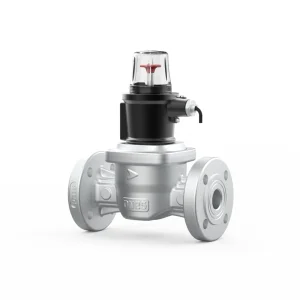
Heavy-duty, normally open solenoid emergency shut-off valves. Designed to close in milliseconds under a 12V pulse, cutting off gas flow directly at the source in an emergency.
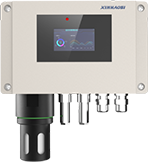
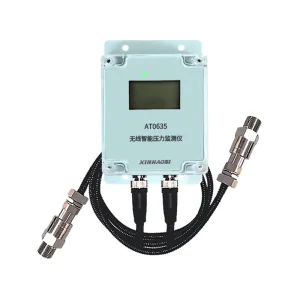
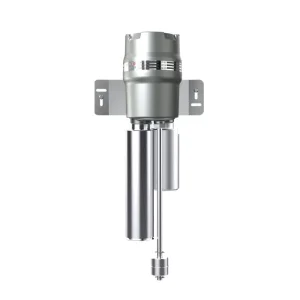
Wireless pressure monitors and shaft monitoring units optimized for utility networks, underground vaults, and city-wide pipelines. Ensures real-time monitoring and leakage alerts.
Year Established
Countries Supplied
Annual Production Capacity
Fully Calibrated & Certified
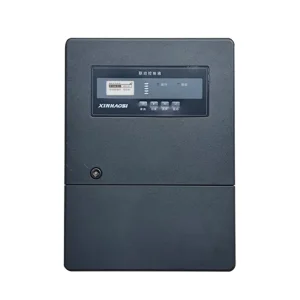
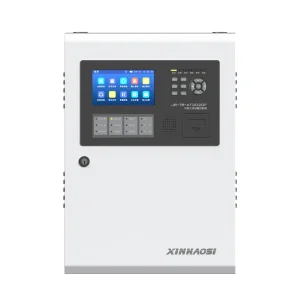
Protecting critical infrastructure demands more than standalone detectors. Our safety systems combine gas alarms, smart solenoid shut-off valves, and centralized controllers to create a multi-layered safety barrier.
Whether monitoring pipelines for municipal networks, tracking toxic compounds in petrochemical units, or providing gas safety for multi-family residential projects, Xinhaosi delivers fully integrated systems designed to perform under pressure.
More About Solutions
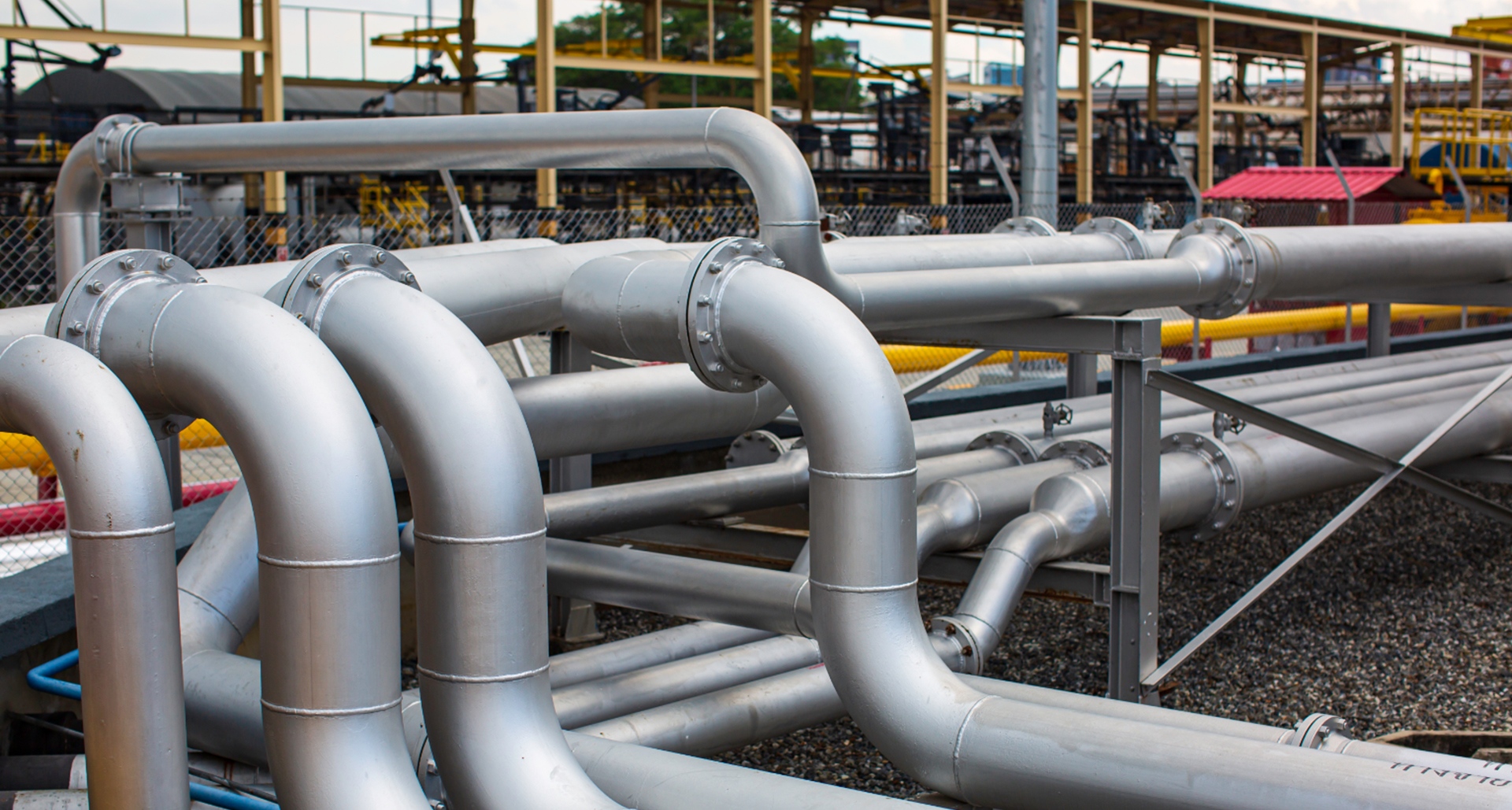
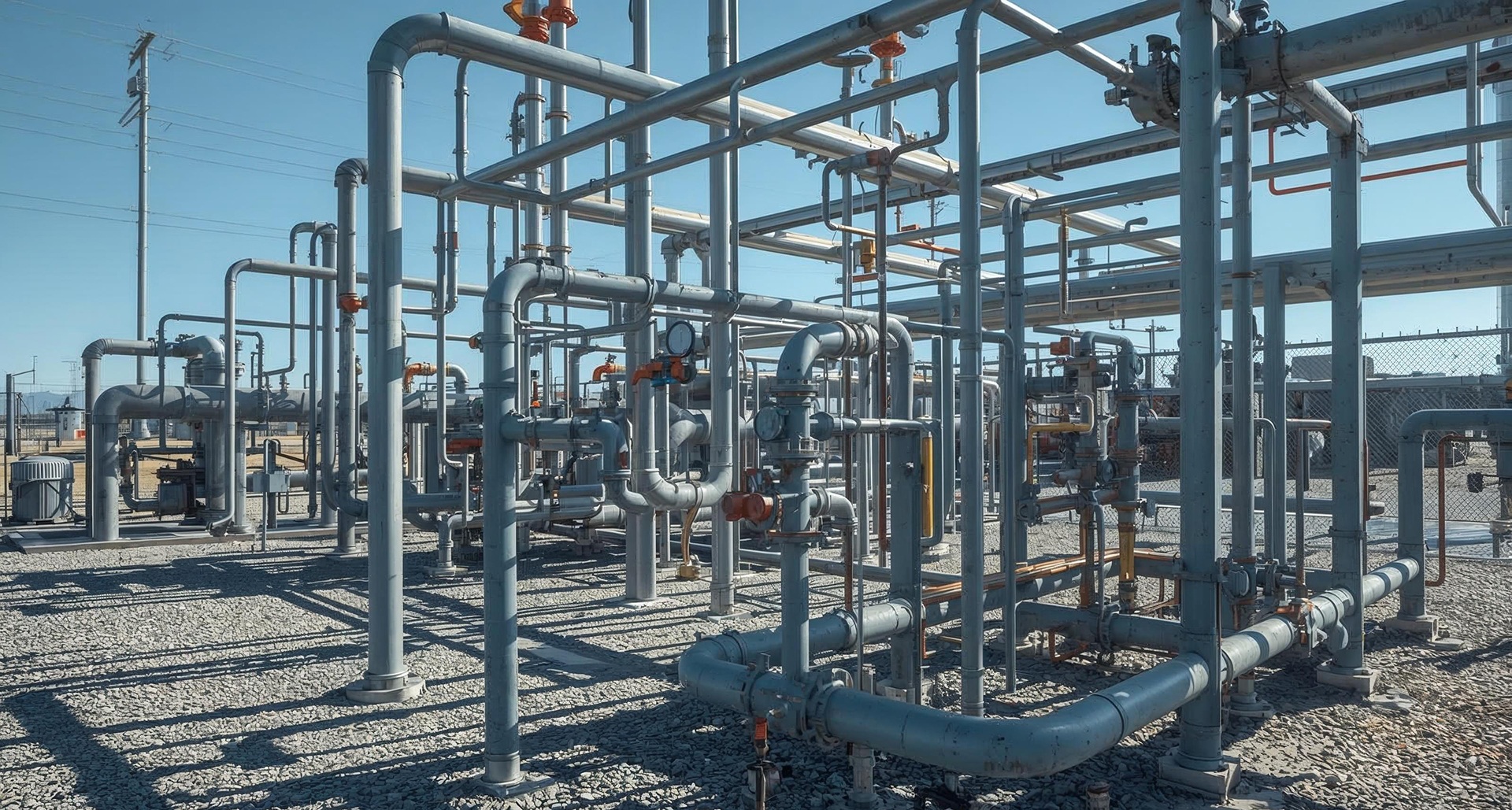
Xinhaosi's manufacturing plant in China implements advanced automated production processes. Equipped with modern SMT assembly lines, computerized reflow soldering ovens, and automated optical inspection systems (AOI), we eliminate human error at the component level to deliver reliable circuitry on every gas alarm and pressure monitor.
Our facility features automated target-gas calibration chambers, where sensors are calibrated against certified gas mixtures. This ensures precise alarm thresholds and stable performance across varying temperatures and humidity levels, providing consistent protection out of the box.
Operating a vertically integrated supply chain enables us to source raw materials efficiently and maintain production continuity. By keeping inventory levels optimized, we minimize lead times for bulk OEM orders while maintaining strict quality control. Global distributors benefit from stable, cost-effective pricing, fast delivery, and adaptable production scheduling.
Gas safety installations must align with local building codes, national laws, and industrial standards. Xinhaosi products are designed and certified to comply with major global safety directives, including:
To support global partners, we provide multilingual product documentation, detailed installation guides, and remote technical assistance for commissioning. We also coordinate with local regulatory bodies to assist partners with product registration and compliance processes.
When selecting a gas leak alarm manufacturer, ensuring compliance with local codes is essential. Xinhaosi simplifies this process by providing certified performance test reports and certificates of conformity for every shipment, reducing risk for EPC contractors and systems integrators.
We support international buyers, EPC contractors, and distributors with structured custom engineering and flexible supply chain services.
We provide tailormade enclosures, customized logo printing, unique packaging layouts, and firmware localization. We can adjust the alarm sound pressure level (SPL), modify relay output parameters, and adapt communication protocols (Modbus, BACnet, Zigbee) to fit your system architecture.
We support engineering designs with comprehensive technical files, including 3D CAD models, electrical schematics, calibration certificates, and certification credentials. These files simplify building information modeling (BIM) and speed up approval processes with project consultants.
We work with international freight forwarders to manage shipping logistics. Whether you require FCA, FOB, CIF, or DDP delivery terms, our team handles customs documentation, bulk product packaging, and port coordination to ensure safe delivery to your site or warehouse.
Find key answers about sensor technologies, installation guidelines, calibration cycles, and safety standards.
Catalytic bead sensors generally have an operational life of 3 to 5 years under normal conditions. They are subject to gradual degradation from exposure to silicones, halogenated compounds, or lead, which can reduce sensitivity. In contrast, Non-Dispersive Infrared (NDIR) sensors are optical and do not interact directly with the gas. This makes them resistant to sensor poisoning and extends their operational lifespan to 10 years or more.
For safety-critical industrial environments, calibration is recommended every 6 months, along with regular functional bump tests. In stable applications, annual calibration may be sufficient. Calibration should adjust both the zero baseline and span values using certified calibration gases to ensure accuracy over time.
Emergency shut-off systems typically use normally open (N.O.) solenoid valves. During normal operation, the valve remains open without drawing power, preventing coil overheating. In a gas leak, the gas detector sends a brief electrical pulse (typically 12VDC) to trigger the solenoid. This instantly drops the internal plug and stops the gas flow. The valve must be manually reset once the area is safe. Normally closed (N.C.) valves are used in systems that require the valve to shut automatically if electrical power is lost.
Electrochemical and catalytic sensors can sometimes react to non-target gases, such as showing cross-sensitivity to Hydrogen (H2) during Carbon Monoxide (CO) monitoring. To minimize this, Xinhaosi uses specialized filters and dual-sensor arrays. By combining readings from multiple sensors and applying compensation algorithms, our systems filter out background gases to reduce false alarms.
SIL 2 (Safety Integrity Level) certification, based on the IEC 61508 standard, measures the reliability of a safety function. A SIL 2 certification indicates that the gas detector has a low probability of failure on demand, making it suitable for hazardous process industries like chemical plants and oil refineries, where system failure could lead to severe consequences.
Installation height depends on the target gas density relative to air. For lighter gases like Methane (natural gas), detectors should be placed 30cm to 100cm below the ceiling, close to the source. For heavier gases like Propane or LPG, detectors should be positioned 30cm above the floor to capture gas that accumulates at lower levels. Detectors should be located within 1.5 to 4 meters of appliances, away from direct drafts, ventilation ducts, and high humidity.
Follow our latest technical developments, international projects, and industry trade shows.
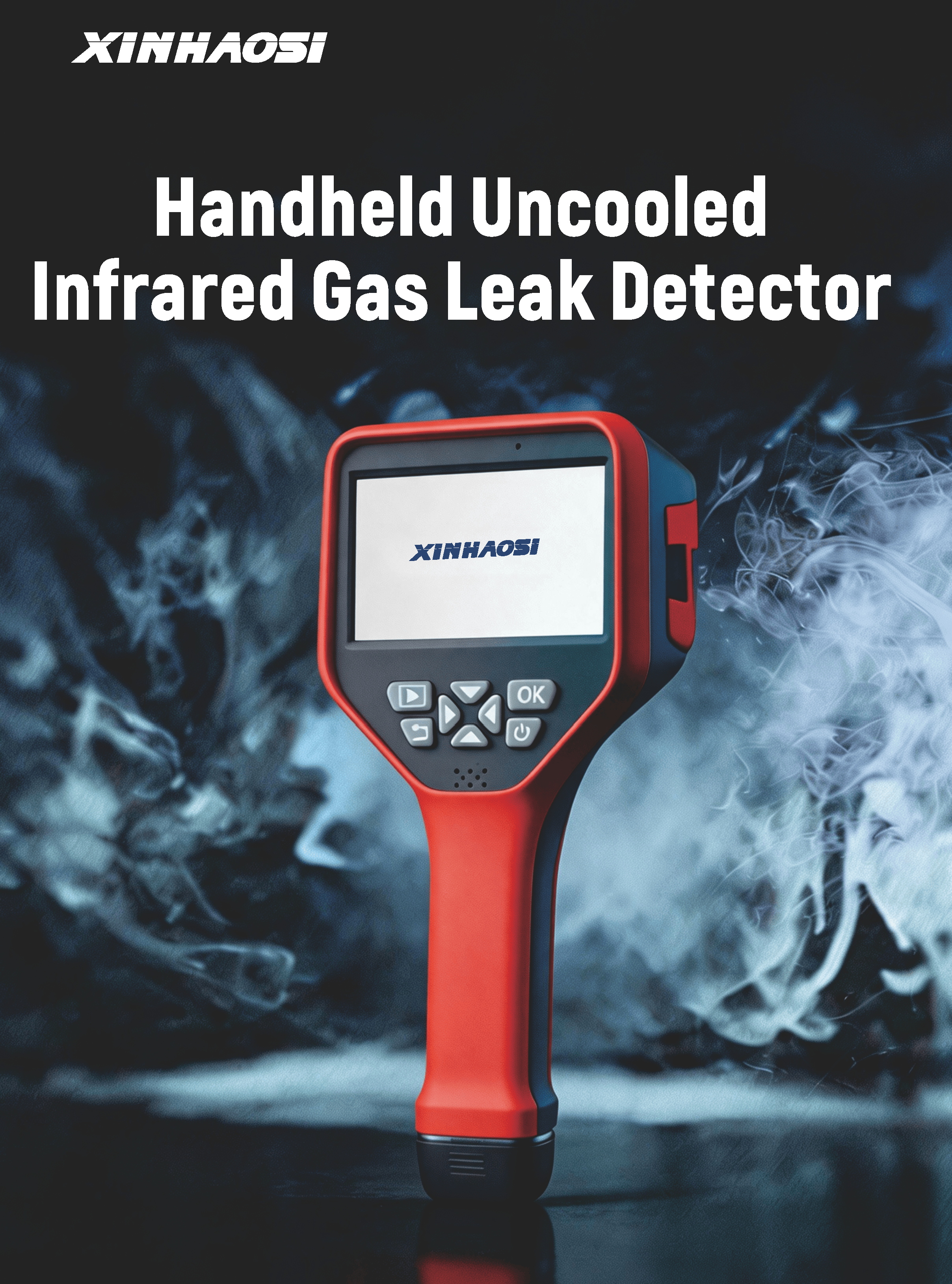
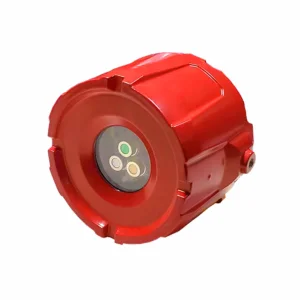
Featuring dual-technology fusion, rapid response times, and long-range non-contact detection to enhance safety in chemical processing, refrigeration, and natural gas facilities.
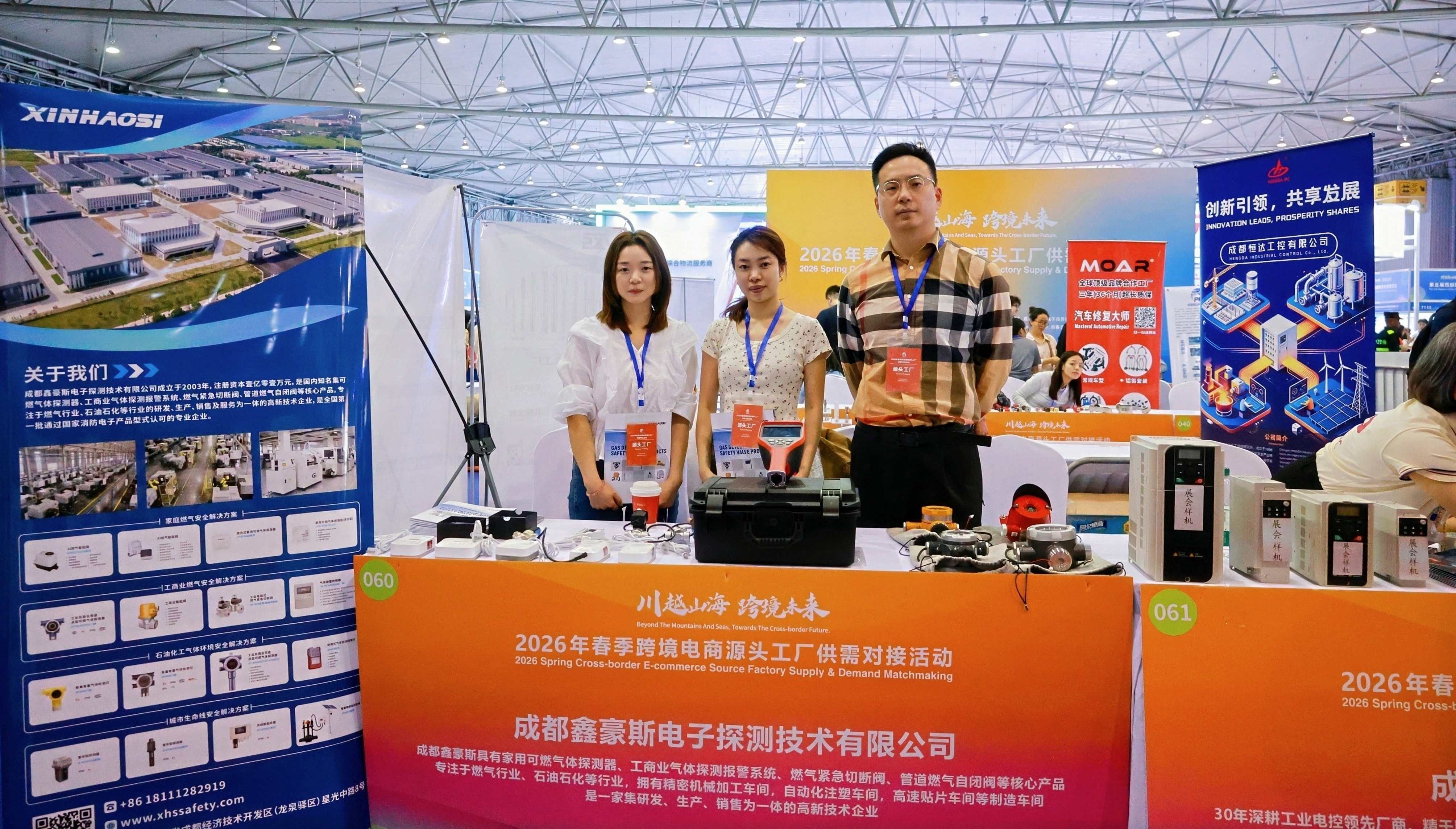
Our team connected with international buyers and distributors in Chengdu, presenting our compliant safety products to global markets.

We met with industry representatives to discuss industrial partnerships, local distribution, and infrastructure development in Southeast Asia.
We partner with major utility providers, industrial developers, and international electronics companies.
























Our comprehensive safety solutions include industrial-grade solenoid shut-off valves, multi-channel controller panels, and explosion-proof telemetry gas detectors.