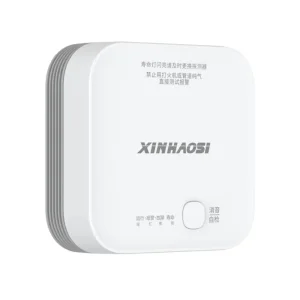
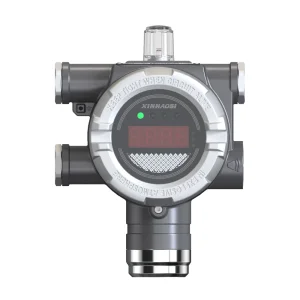
Direct from advanced manufacturing facilities. Built under strict quality control protocols to protect high-risk environments.

Founded in 2003, Xinhaosi is one of the most influential and reliable brands in the gas safety industry. We provide customer-focused products and services to safeguard the safe operation of every factory, the comfort of every city, and the peace and happiness of every home. Powered by cutting-edge production systems and technology, we deliver more advanced, intuitive, and precise gas safety solutions for shaping a safer future world.
We utilize advanced electronic detection technology to make unknown gas leak risks clear and visible. By integrating premium sensors, robust telemetry, and flameproof instrumentation, we deliver structural safety integrations that global industries rely on every day.
Comprehensive engineering analysis of sensor dynamics, manufacturing optimizations, regulatory compliance, and installation paradigms.
In the modern industrial environment, hazardous gases pose persistent threats of fire, toxic exposure, and asphyxiation. Fixed gas detection systems are not just accessory components; they are critical barriers in safety-instrumented systems (SIS). Across North America, Europe, and Asia-Pacific, chemical plants, petroleum refineries, wastewater treatment facilities, and pharmaceutical labs are bound by strict occupational safety rules (such as OSHA 29 CFR, ATEX Directive 2014/34/EU, and IECEx standards).
The shifting focus toward smart manufacturing requires fixed gas monitors to communicate instantly with centralized systems. Real-time monitoring allows facilities to transition from reactive measures (responding after exposure) to predictive containment (mitigating minor leaks before explosive concentrations accumulate).
Leading fixed gas detector factories in China have modernized B2B safety sourcing by combining massive production capacities with rigorous calibration controls. The core advantages include:
Deploying fixed gas detection equipment requires matching the sensor technology to the chemical and physical characteristics of the target hazard. Below is a structural review of the industry-standard sensor technologies used in fixed gas monitors:
| Sensor Technology | Target Gases Detected | Operating Principle | Key Advantages | Known Constraints |
|---|---|---|---|---|
| Catalytic Bead (Pellistor) | Combustible Gases (Methane, Propane, Hydrogen) | Oxidation on catalytic active bead changes electrical resistance. | Low cost; durable; responds to a broad spectrum of flammable gases. | Susceptible to catalyst poisoning (silicones, lead, sulfur compounds); needs oxygen to operate. |
| Electrochemical | Toxic Gases (H2S, CO, NH3, Cl2) & Oxygen levels | Gas reacts at sensing electrode generating an electric current proportional to volume. | High selectivity; low power; linear response at low concentrations (ppm). | Shorter lifespan (typically 2-3 years); performance varies at low humidity. |
| Non-Dispersive Infrared (NDIR) | Hydrocarbons (Methane, Butane), Carbon Dioxide | Measures absorption of specific infrared light wavelengths. | Cannot be poisoned; operates without oxygen; exceptionally stable. | Higher initial cost; does not detect hydrogen gas. |
| Photoionization (PID) | Volatile Organic Compounds (VOCs) | UV lamp ionizes molecules; collector electrode measures current. | Extremely sensitive (ppb to ppm levels); fast response. | Non-selective; requires periodic lamp cleaning and replacement. |
A fixed gas detector is only as effective as the actions it triggers. Modern industrial gas safety architectures integrate three system levels:
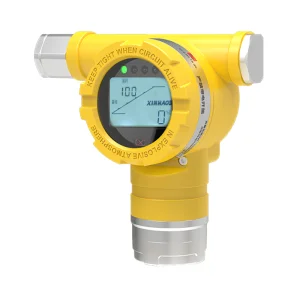
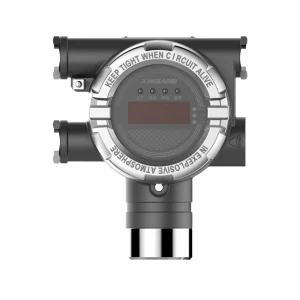
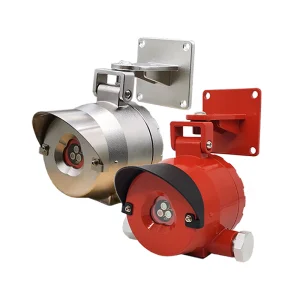
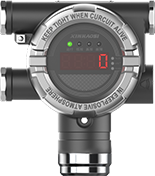
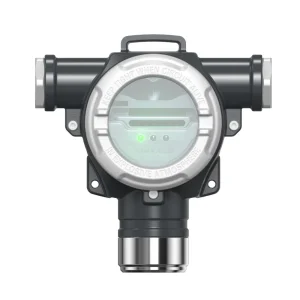
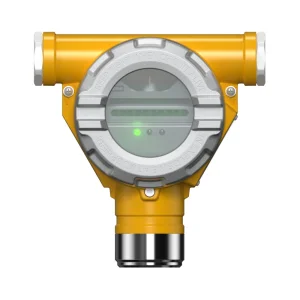
Detectors (Sensing Layer): Specialized explosion-proof detectors (e.g., GTYQ-XP3000, XP4000) continuously sense gas levels and output digital or analog signals.
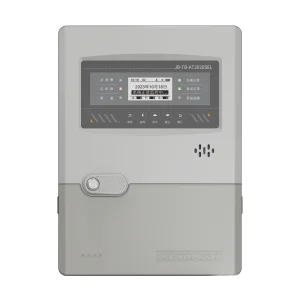
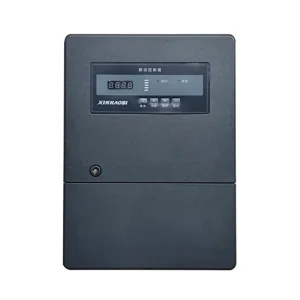
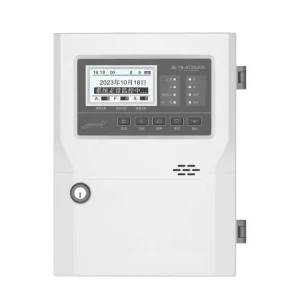
Controllers (Decision Layer): Centralized multi-channel gas detection controllers (e.g., JB-TB-AT2020SEL) continuously read values and show alarm statuses. They handle localized logic, such as activating visual beacons when concentrations exceed 10% LEL, and initiating system shutdowns when levels cross 25% LEL.
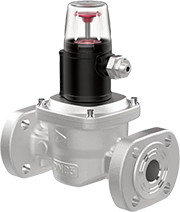
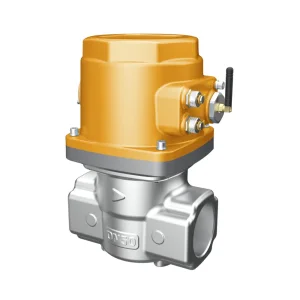
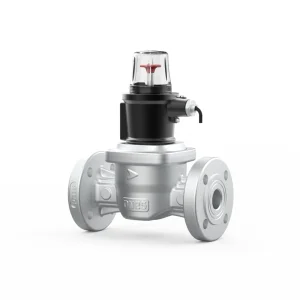
Actuators (Action Layer): Electromagnetic interlock boxes and high-speed industrial solenoid safety valves (e.g., XF3 Series) shut off source gas lines immediately upon receiving signal triggers, preventing gas migration.
Empowered by technology, full-chain integration, and comprehensive protection. We shape a safer industrial future with intelligence.
Customized precision sensing systems engineered for petrochemical complexes, chemical plants, and heavy manufacturing sites. Safety first from precision sensing.
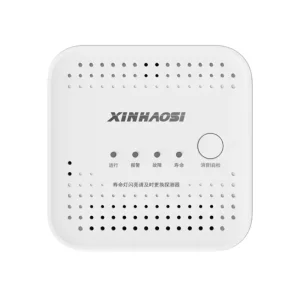
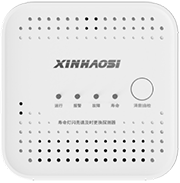
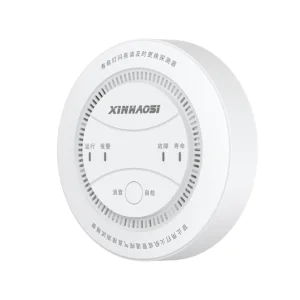
Reliable combustible gas leak detection units tailored for residential complexes, commercial kitchens, and district heating rooms. Home safety from gas monitoring.
Rapid emergency shut-off valves designed to stop the flow of hazardous gases instantly at the supply source when leaks are detected. Protecting from the source.

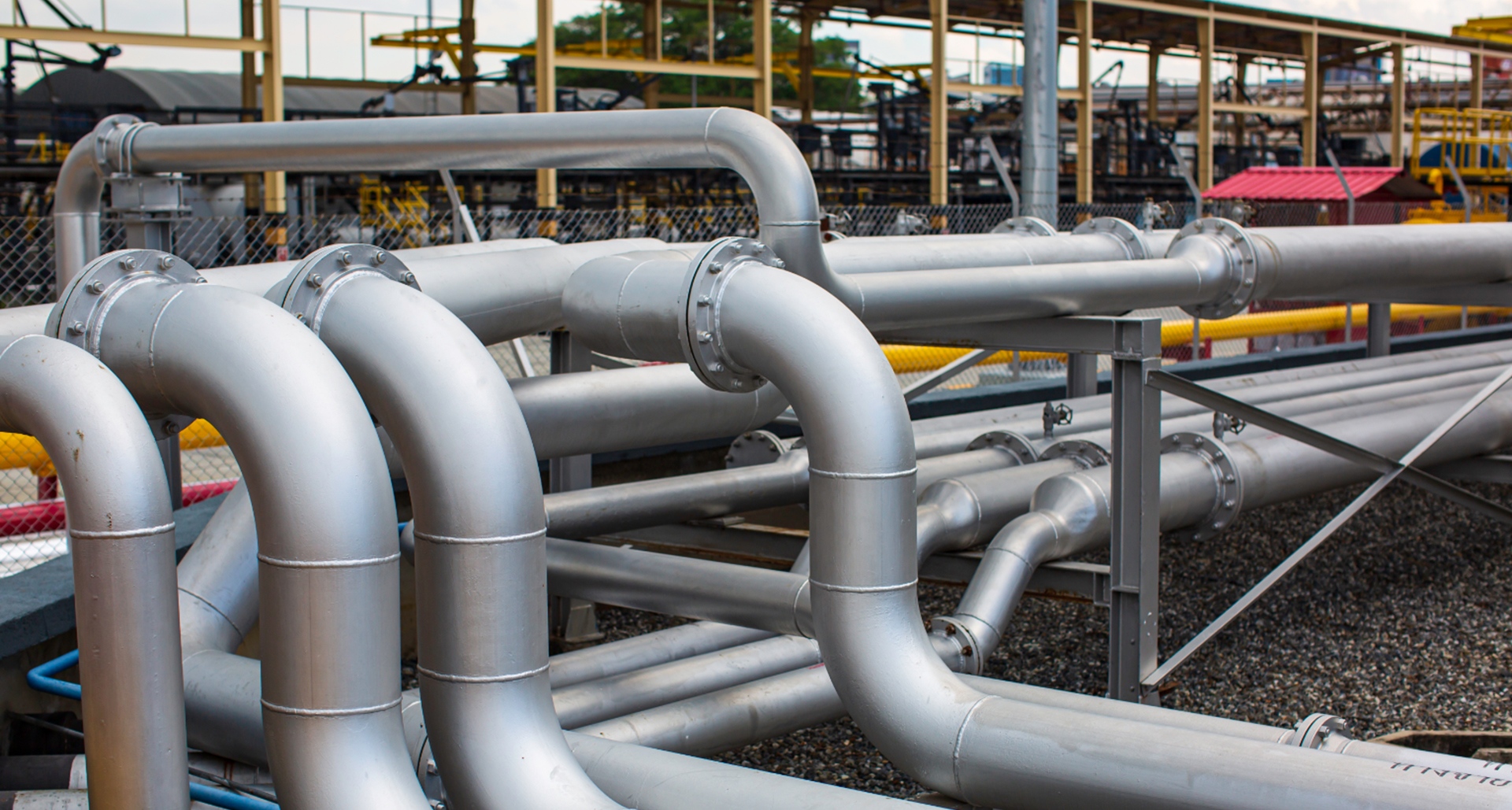
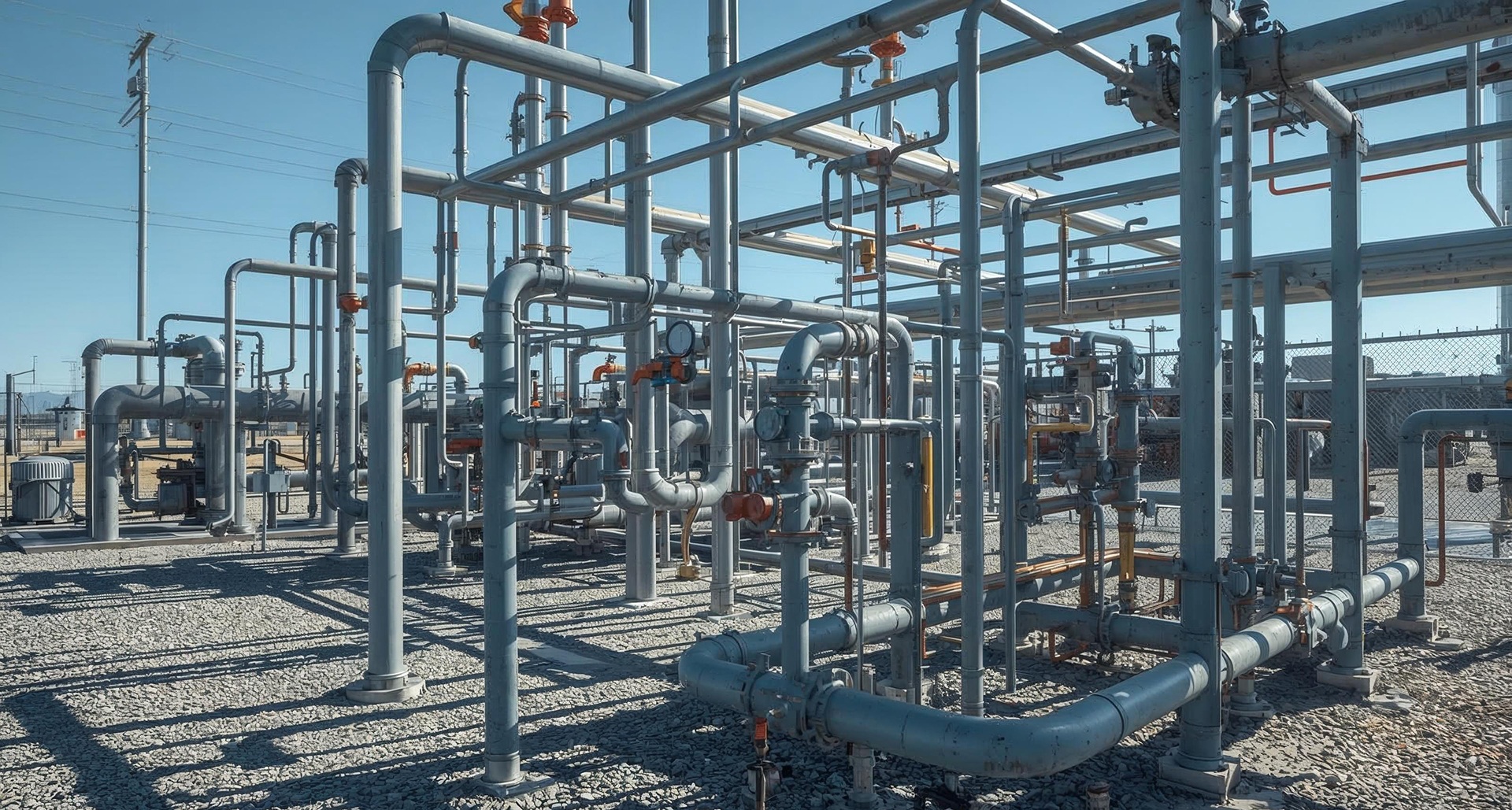
Cooperating with leading municipal companies, industrial complexes, and regional distributors to safeguard environments worldwide.
























How modern fixed gas detectors adapt to complex environmental variables and shape safety integration across borders.
Coastal petrochemical terminals and offshore drilling rigs require fixed detectors with premium salt spray resistance. Using 316 stainless steel enclosures and specialized hydrophobic filters stops water ingress while keeping gas diffusion speeds high.
Modern cities require subterranean monitoring systems installed inside utility tunnels. High-quality detectors must integrate with SCADA systems, offering Modbus communication to report battery levels, calibration status, and parts per million (ppm) data.
Industry 4.0 centers on predictive maintenance. Real-time gas safety networks collect sensor output values to predict sensor degradation, alerting managers to renew sensor heads before they fail in the field.
Critical procurement, compliance, and calibration information for safety engineers and technical buyers.
Fixed gas detectors installed in areas with combustible dusts or gases must have explosion-proof certifications. Standard credentials include ATEX (for Europe), IECEx (international), and UL/FM (for North America). These certifications guarantee the detector's housing will contain an internal explosion and will not release enough electrical or thermal energy to ignite the surrounding atmosphere.
Most industrial guidelines recommend calibrating sensors every 3 to 6 months. Sensor drift is the gradual loss of accuracy over time, caused by sensor aging, chemical exposure, or extreme humidity. Calibrating with trace span gas ensures the electronics scale the output signal accurately.
Catalytic bead sensors oxidise gas on a heated bead, requiring oxygen to function. They are cost-effective but can be poisoned by silicones and sulfur. NDIR (infrared) sensors measure optical absorption, do not require oxygen, are immune to chemical poisons, and generally have a longer operational lifespan.
The controller panel monitors the 4-20mA or RS485 loop from the detectors. If concentration levels cross a pre-set threshold (e.g., 20% LEL), an internal relay switch closes. This cuts or applies power to the solenoid valve (e.g., XF3 Series), which triggers a spring to shut off the gas supply line.
Yes, most factories offer OEM/ODM services. Buyers can select specific gas sensor heads (such as H2S, Cl2, NH3, or SO2), specify enclosure materials (cast aluminum or 316 stainless steel), choose cable entry threads (like G3/4 or M20), and customize communication protocols.
Placement depends on the vapor density of the target gas. Gases lighter than air (like methane and hydrogen) rise, requiring sensor installation near the ceiling. Gases heavier than air (like propane, butane, and chlorine) settle low, requiring sensor placement close to the floor. Airflow patterns and potential leak points must also be considered.
Stay tuned for the latest updates from Xinhaosi and the global industrial safety sectors.
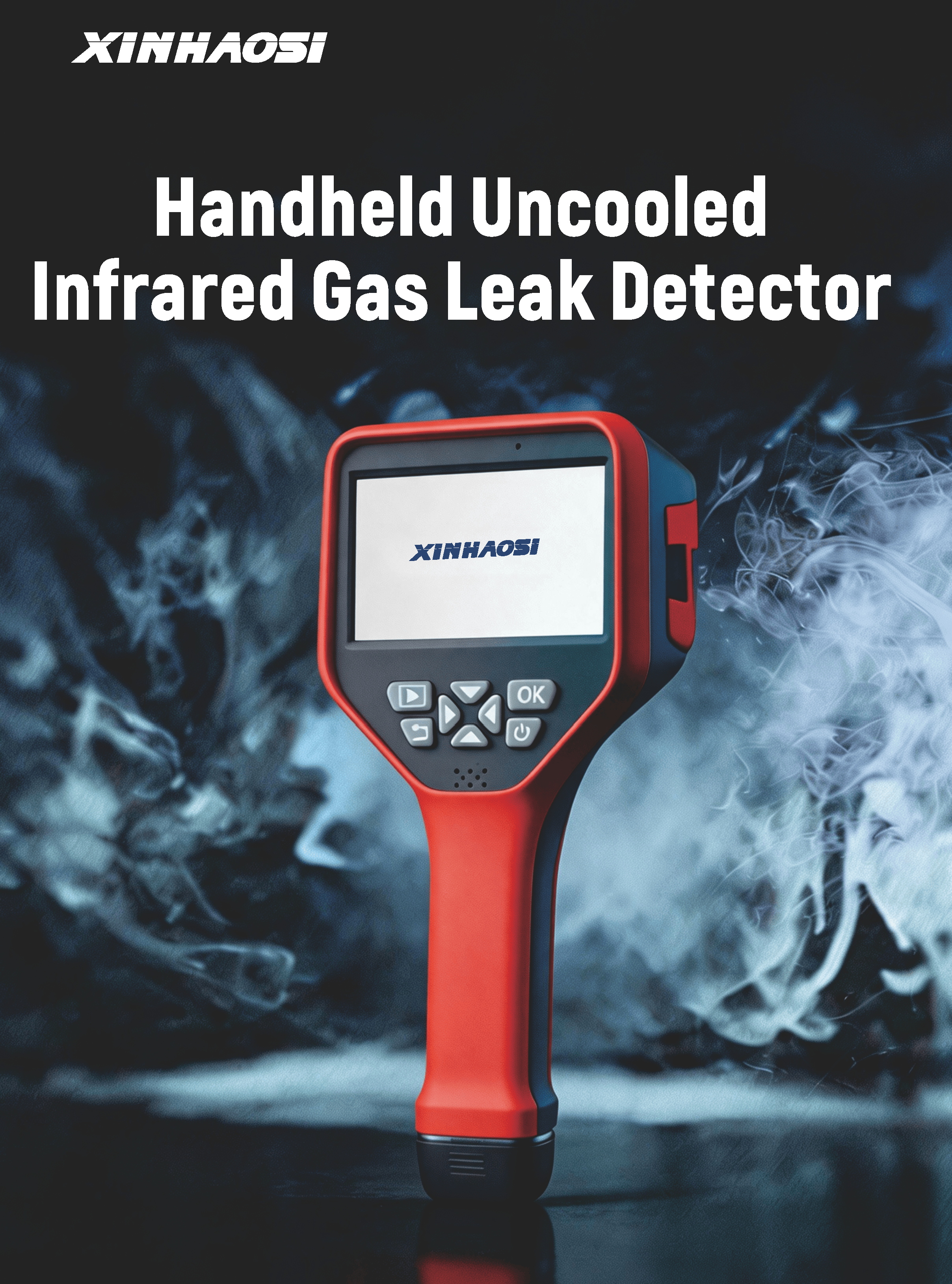
Xinhaosi Electronic Detection Technology Co., Ltd. officially launched its new Handheld Uncooled Infrared Gas Leak Detector, featuring dual-technology fusion, ultra-fast response, and long-distance non-contact detection to enhance safety and efficiency in petrochemical, refrigeration, natural gas and industrial safety scenarios.
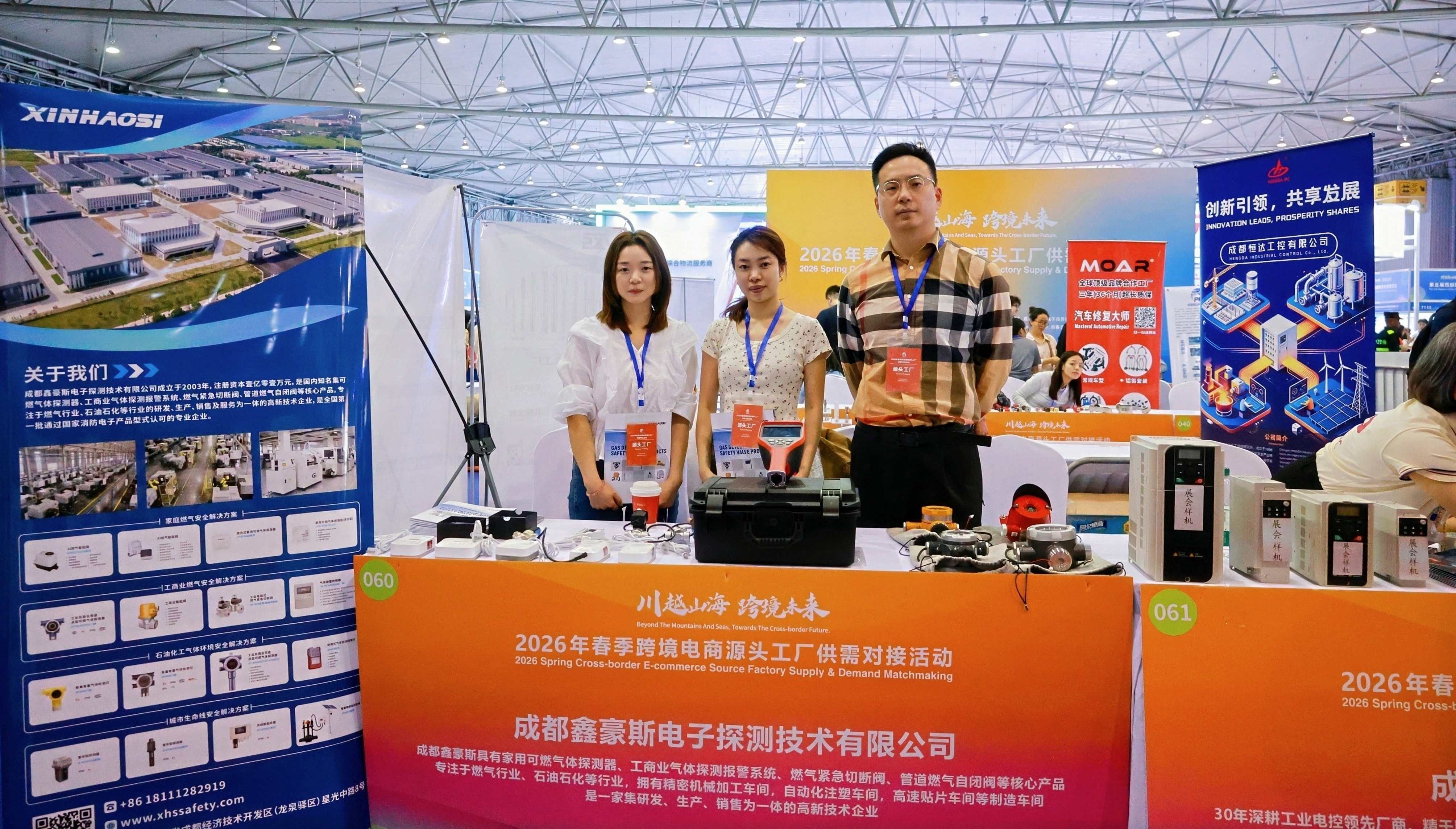
XINHAOSI recently participated in the 5th Western China Cross-Border E-Commerce Expo held in Chengdu. The event brought together cross-border e-commerce platforms, global buyers, manufacturers, and supply chain companies, creating new opportunities for international business cooperation and overseas market development.

XINHAOSI recently participated in the 2026 Sichuan (Chengdu) – Indonesia Industry Matchmaking Conference held in Chengdu. The event gathered enterprises and industry representatives from China and Indonesia to strengthen industrial cooperation and explore new business opportunities in Southeast Asia.
Browse our selection of explosion-proof detectors, control units, and industrial safety valves.