
Years of Safety Engineering Experience
Global Industrial Certifications
Active Sensing Devices Installed
Countries Served Globally
Across the modern commercial and industrial sectors, monitoring flammable vapors and combustible gases is a foundational element of hazard prevention and process safety management (PSM). Industrial facilities, chemical processing plants, fuel distribution terminals, and commercial utility grids operate in environments where minor leaks can escalate into catastrophic accidents. Reliable detection of gases like methane (CH₄), propane (C₃H₈), butane (C₄H₁₀), and hydrogen (H₂) requires rugged, high-sensitivity instrumentation designed to perform in extreme temperatures and hazardous locations.
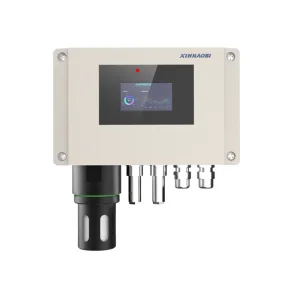
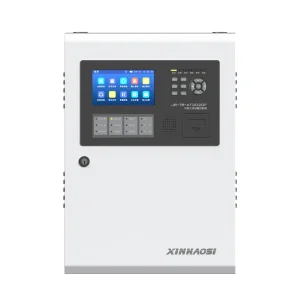
Standard safety infrastructure calls for continuous gas monitoring systems that link seamlessly with automation hardware. Leveraging catalytic bead, electrochemical, and non-dispersive infrared (NDIR) detection methods, our sensors monitor gas concentration levels in real-time, sending immediate telemetry data to localized control matrices or cloud-integrated industrial IoT (IIoT) frameworks.
For engineering, procurement, and construction (EPC) companies, meeting local safety regulations (such as ATEX in Europe, UL/FM in North America, and IECEx internationally) is mandatory. Partnering with a manufacturer that possesses deep design expertise and validated industrial certs minimizes the risk of compliance failures, expedites system integration, and ensures long-term operational integrity.
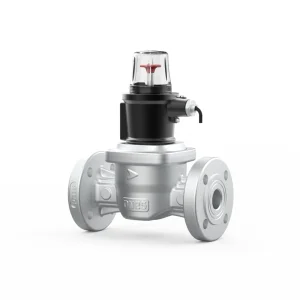
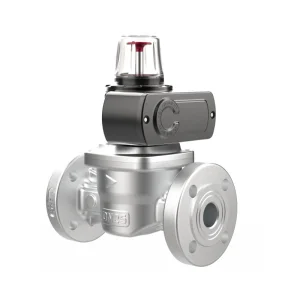
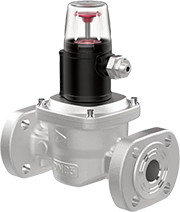
The sensor landscape is undergoing a significant transition from standalone, reactive gas detection devices toward intelligent, preventative safety networks. In petrochemical sites, urban utility zones, and modern smart homes, real-time wireless integration and automated isolation valves work together to block leaks at the source.
Our advanced manufacturing center, established in 2003 under the Xinhaosi brand, runs on automated assembly processes designed to guarantee high precision, quality assurance, and manufacturing efficiency. Factory 4.0 automation optimizes everything from surface-mount technology (SMT) PCBA fabrication to environmental chamber testing.
Resilient Global Supply Chains: By consolidating components, sensor production, calibration labs, and machining facilities on-site, we prevent supply bottlenecks. This complete vertical integration allows us to offer competitive lead times, custom OEM/ODM configurations, and continuous quality control.
Rigorous Environmental Testing: Every single gas detector and interlock controller undergo dynamic temperature cycling, cross-gas calibration, and automated operational endurance tests in our testing facilities. This level of quality control ensures reliable operations in demanding application environments ranging from freezing sub-zero pipelines to high-temperature industrial processing plants.
Gas hazards vary significantly depending on the environment, requiring tailored safety configurations:
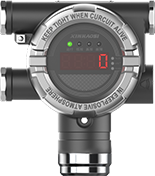
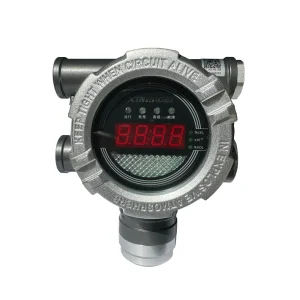
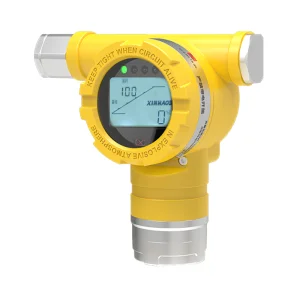
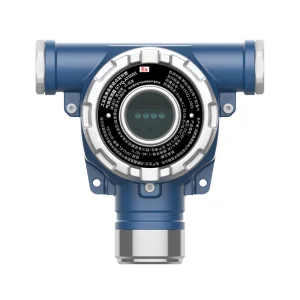
In locations where ambient hydrocarbons are common, explosion-proof gas detectors (such as the GTYQ-AT0602 and GTYQ-XP3000 models) are required. Equipped with rugged, explosion-proof cast enclosures, these devices provide reliable, high-uptime monitoring in Zone 1 and Zone 2 hazardous areas.
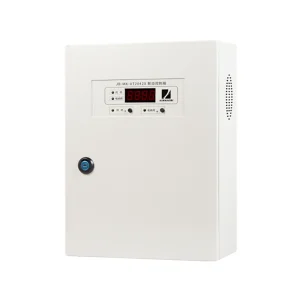
Modern cities rely on underground utility tunnels for natural gas distribution. Utilizing bus-type combustible gas detectors linked to centralized control panels allows operators to monitor multi-kilometer distribution networks from a single, centralized dashboard.
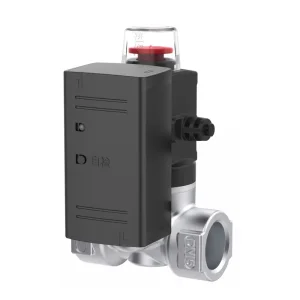
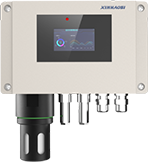
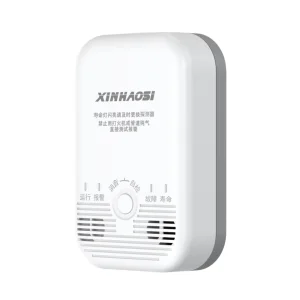
For light commercial and residential settings, compact combustible gas detectors (like the JT-AT2005 and JT-AT3068) provide reliable, low-maintenance safety. They integrate seamlessly with household wireless networks and dry-battery solenoid valves for automatic emergency shut-offs.
Future Ready


We utilize advanced electronic detection technology to make unknown gas leak risks clear and visible.
Founded in 2003, Xinhaosi is one of the most influential and reliable brands in gas safety industry. We provide customer-focused products and services to safeguard the safe operation of every factory, the comfort of every city, the peace and happiness of every home. Powered by cutting‑edge production systems and technology, we deliver more advanced, intuitive, and precise gas safety solutions for shaping a safer future world.
Empowered by technology, our comprehensive approach delivers full-chain integration and protective coverage. We combine hardware detection, control telemetry, and emergency shutoff valves into a unified safety ecosystem, shaping a safer future with intelligent systems.
Safety First from Precision Sensing.
Home Safety from Gas Monitoring.
Protecting from the Source.
Smart Sensing for Urban Gas.
Trusted by Top Industry Leaders and Enterprise Clients Worldwide
























The Latest Innovations, Events, and Technological Releases from Xinhaosi
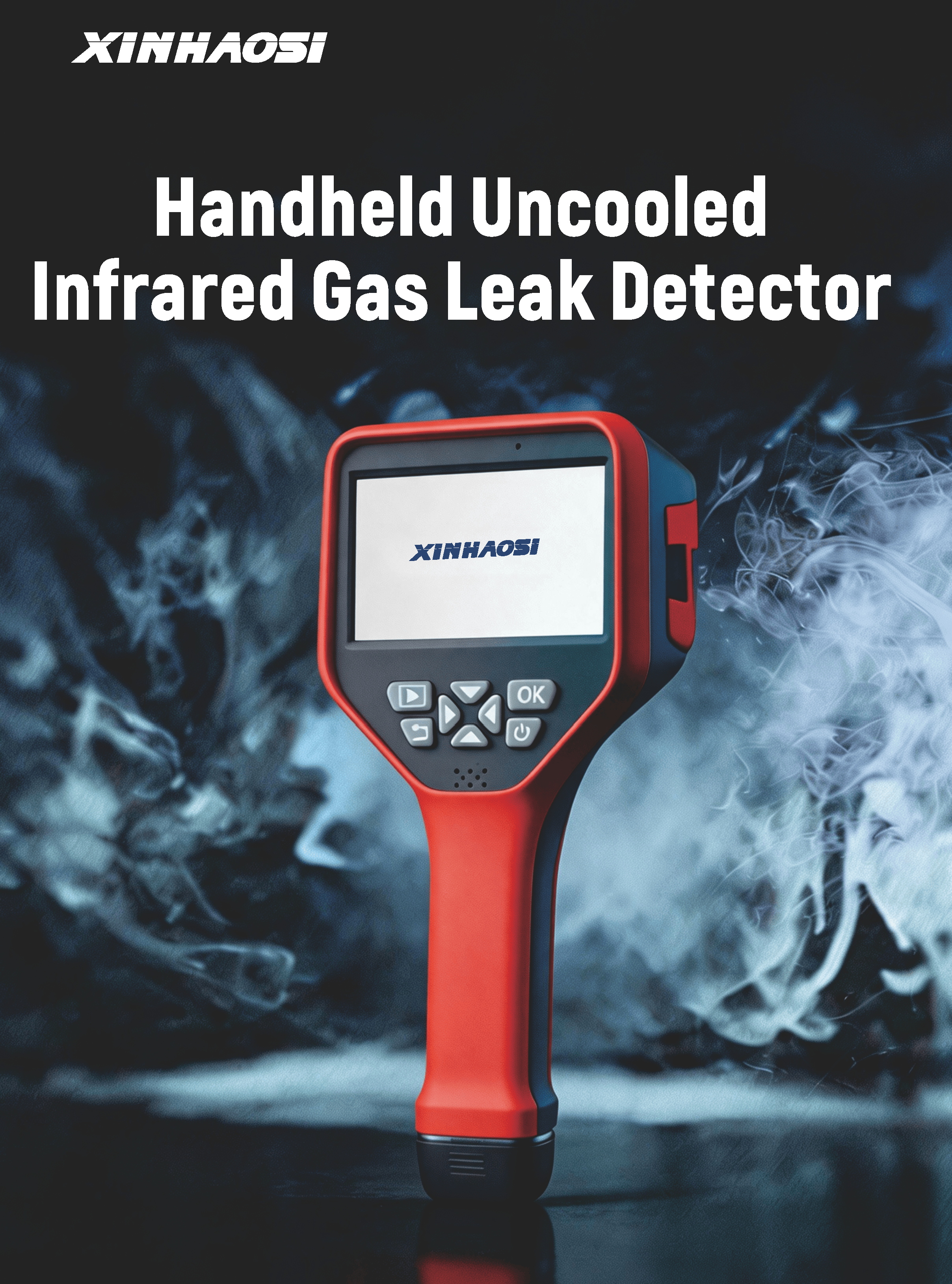
Xinhaosi Electronic Detection Technology Co., Ltd. officially launched its new Handheld Uncooled Infrared Gas Leak Detector, featuring dual-technology fusion, ultra-fast response, and long-distance non-contact detection to enhance safety.
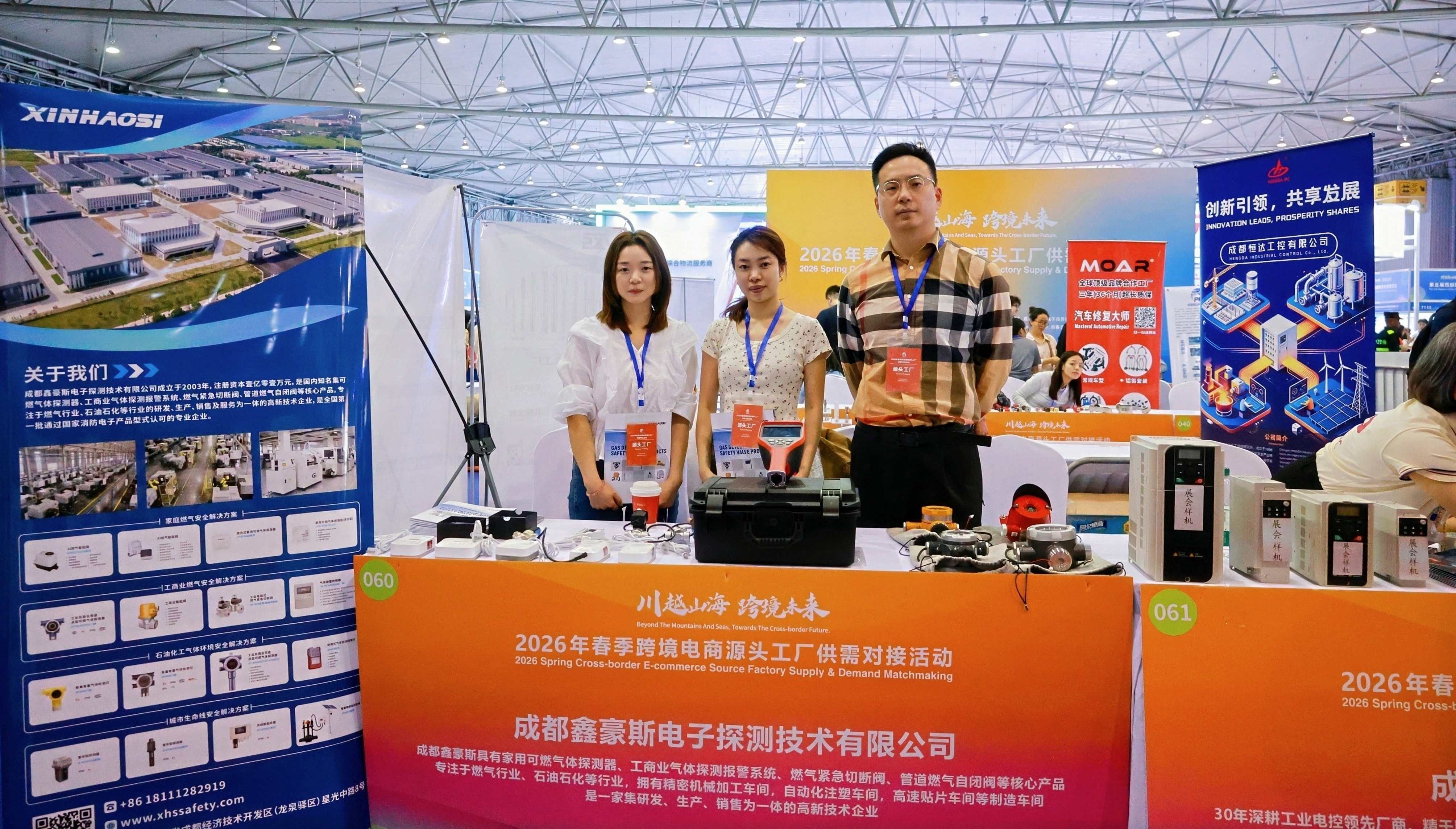
The event brought together cross-border e-commerce platforms, global buyers, manufacturers, and supply chain companies, creating new opportunities for international business cooperation.

The event gathered enterprises and industry representatives from China and Indonesia to strengthen industrial cooperation and explore new business opportunities in Southeast Asia.
Key Safety Engineering & Supply Chain Considerations for Industrial Procurement Officers