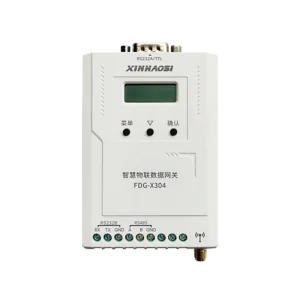
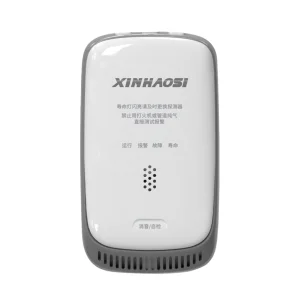
Industrial-grade detectors, control units, and automated safety valves for multi-gas environments.
Years Experience
Global Target Countries
Detection Limit
Functional Safety Standard
Ammonia ($NH_3$) remains one of the most widely manufactured industrial chemicals globally, acting as the lifeblood of industrial refrigeration, chemical synthesis, fertilizer production, and, increasingly, clean energy storage. However, its high toxicity, combustibility at high concentrations, and corrosive nature present severe hazards to personnel and equipment. Modern industrial environments demand rugged, highly selective, and low-drift ammonia detection systems that can run continuously under demanding environmental conditions.
As a leading authority in gas sensing technology, we present this technical guide to help instrument engineers, procurement officers, and safety managers navigate the selection of high-quality ammonia sensors and control systems, ensuring operational compliance with standards such as OSHA, NIOSH, and IIAR.
Ammonia exhibits toxic properties at low ppm (IDLH level is 300 ppm) but presents explosion risks at 15% to 28% by volume. Sensors must address both ranges.
Advanced electrochemical and laser sensors deliver warning signals within 30 seconds, critical for automatic shut-off triggers.
Specially designed sensor housings and heating elements ensure stable operation inside cold storage spaces down to -40°C.
There is no one-size-fits-all solution for $NH_3$ detection. The application environment—whether it is a cold storage warehouse, a poultry farm, or a high-pressure fertilizer plant—dictates the sensing technology choice. Below we analyze the three primary core sensor topologies used by premier manufacturers.
Electrochemical sensors are the industry standard for personal safety and low-level ppm leak detection. Operating by reacting with target gas molecules on a sensing electrode, they produce an electrical current proportional to the gas concentration. Modern electrochemical cells utilize non-consumable electrolytes to extend sensor lifespan and mitigate the traditional issue of sensor "burnout" during constant low-level exposure.
For high-concentration applications and harsh, dusty environments (such as agricultural livestock facilities), MOS sensors offer high mechanical robustness and low susceptibility to humidity variations. However, they lack the high selectivity of electrochemical options and are often cross-sensitive to VOCs and hydrocarbons.
Representing the peak of optical gas detection, TDLAS sensors utilize a narrow-band laser tuned precisely to the absorption spectrum of ammonia molecules. Because the physical detection mechanism is optical, TDLAS systems are immune to poison compounds, show zero baseline drift, and do not suffer cross-sensitivity. This method is ideal for safety-critical plant perimeters and process monitoring.
| Technology Type | Standard Detection Range | T90 Response Time | Expected Lifespan | Key Advantages |
|---|---|---|---|---|
| Electrochemical (EC) | 0 – 100 / 500 ppm | < 30 seconds | 2 – 3 Years | High selectivity, low power, accurate at low ppm levels |
| Metal Oxide (MOS) | 0 – 1,000 ppm / LEL | < 40 seconds | 3 – 5 Years | Long lifespan, works in oxygen-depleted areas |
| TDLAS (Optical Laser) | 0 – 10,000 ppm / LEL | < 5 seconds | 5 – 10 Years | Calibration-free, zero drift, zero cross-sensitivity |
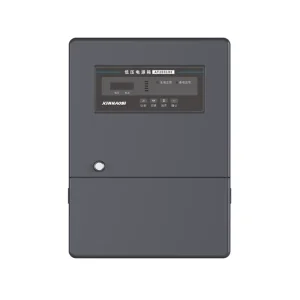
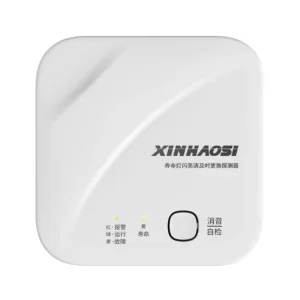
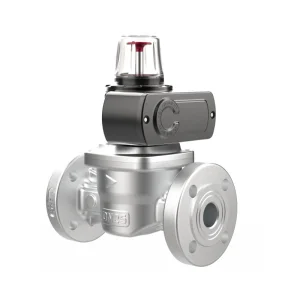
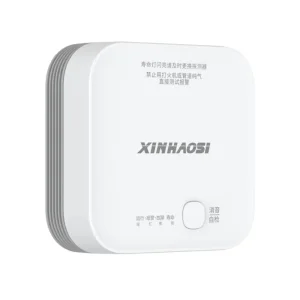
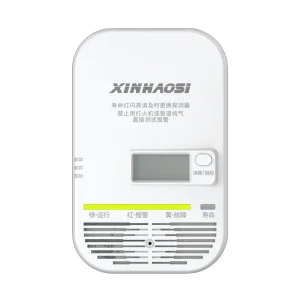
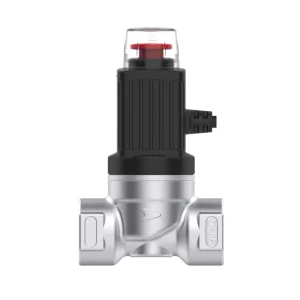
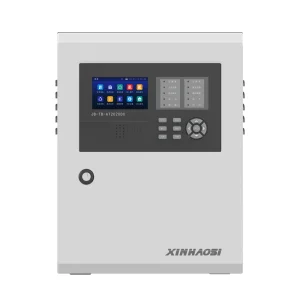
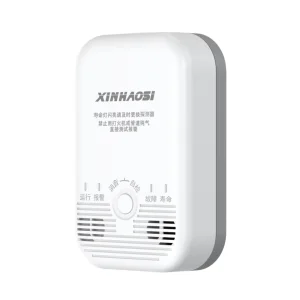
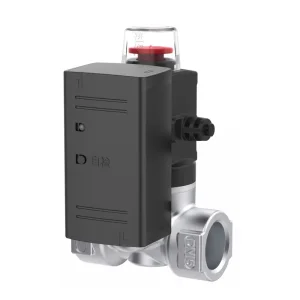
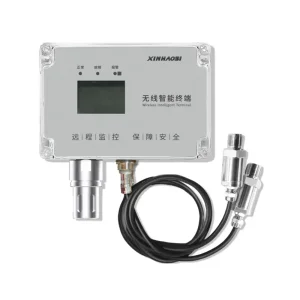
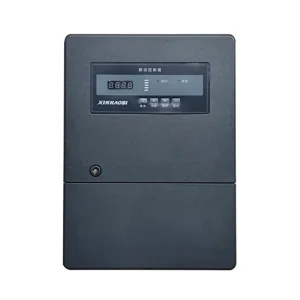
Deploying ammonia gas safety equipment requires a comprehensive integration strategy. A standalone sensor cannot mitigate risks without downstream integration. Our complete product ecosystems link sensors directly with controllers, intelligent terminal units, and high-integrity automatic shut-off valves.
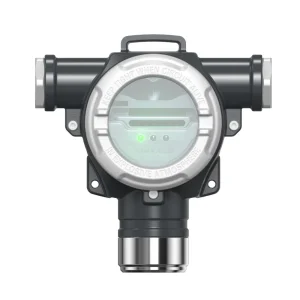
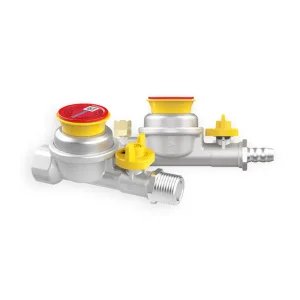
Industrial refrigeration plants use large quantities of anhydrous ammonia due to its excellent thermodynamic efficiency. A leak in a compressor room or evaporator unit must immediately trip high-airflow ventilation systems and close incoming liquid feed pipelines. Combining our explosion-proof gas detectors with industrial-grade gas solenoid valves ensures safety systems act automatically at early stage warnings (typically at 25 ppm for warning and 50 ppm for high alarm thresholds).
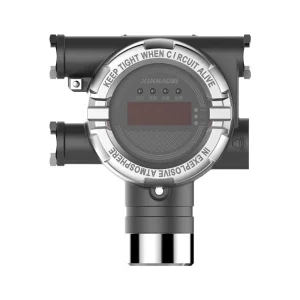
Ammonia production facilities operate at high pressures and temperatures. These demanding locations require explosion-proof (Ex d IIC T6) housing designs, ATEX/IECEx certifications, and high ingress protection ratings (IP66/67) to withstand constant exposure, dust, and washdowns.
As the maritime and energy sectors transition to green ammonia as a carrier for hydrogen fuel cells and clean combustion, high-reliability ammonia detection becomes essential. Large-scale bunkering stations and transport vessels rely on safety networks that integrate sensor readings with centralized monitoring gateways to safeguard crews and prevent environmental release.
As global industries demand reliable gas detection systems, partner selection goes beyond product specifications to examine manufacturing capacity and quality control standards. Operating from high-tech manufacturing facilities in China, our production lines represent the integration of Industry 4.0 automation and rigorous quality assurance.
Our facilities employ automated multi-point calibration chambers, climate-simulating environmental aging chambers, and optical inspection stations. These quality control processes verify that each sensor module is calibrated to traceable reference gases, ensuring low baseline drift and high repeatability before dispatch. Leveraging China's robust electronics supply chain allows us to maintain stable lead times and raw material supplies even under volatile global market conditions.
Eliminates human error, ensuring every single transmitter is calibrated against certified gas standards.
Vertical integration from raw PCB assembly to final system calibration, optimizing production costs.
Every instrument undergoes thermal cycling and target gas exposure test cycles prior to packaging.
For international buyers and engineering firms, sourcing gas detectors requires adherence to international safety standards. Safety instrumentation must comply with regional requirements to pass safety audits and maintain insurance coverage.

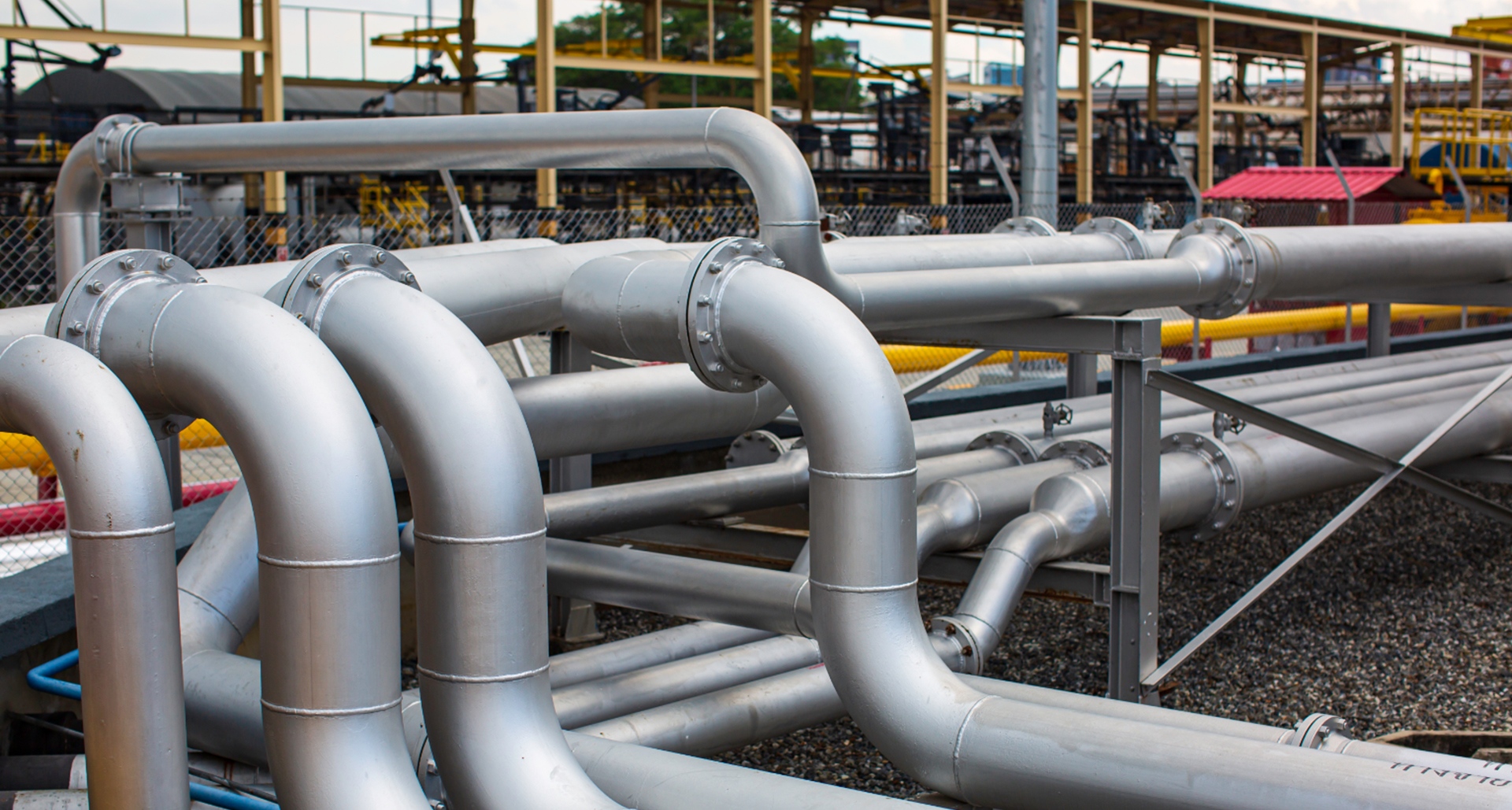
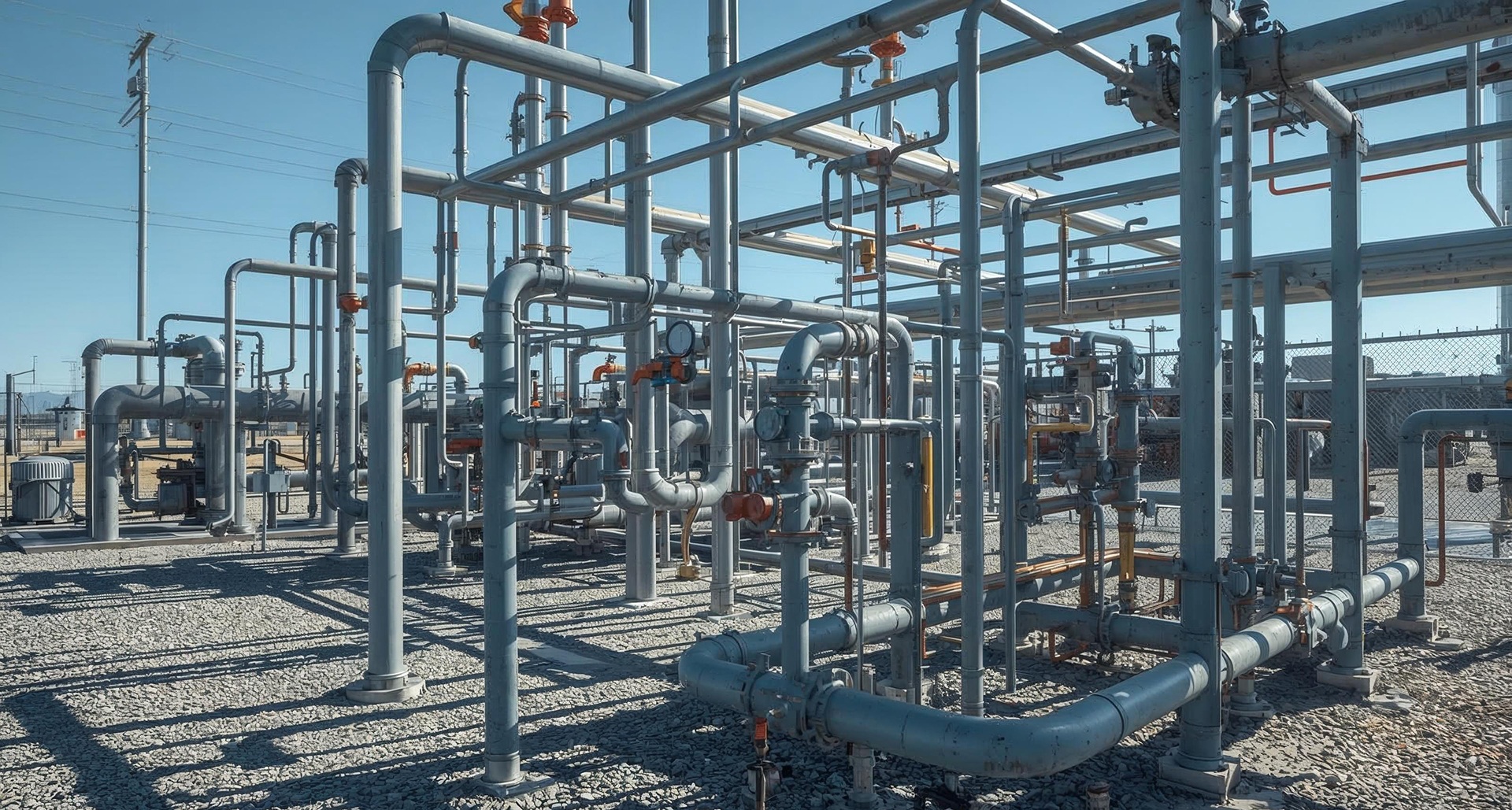
Future Ready
Founded in 2003, Xinhaosi is one of the most influential and reliable brands in the gas safety industry. We provide customer-focused products and services to safeguard the safe operation of every factory, the comfort of every city, and the peace and happiness of every home. Powered by cutting-edge production systems and technology, we deliver advanced, intuitive, and precise gas safety solutions for shaping a safer world.
We utilize advanced electronic detection technology to make unknown gas leak risks clear and visible.
More About UsEmpowered by technology. Full-chain integration. Comprehensive protection. Shaping the future with intelligence.
More About Solutions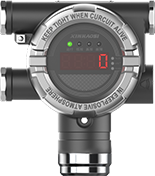
Detection Systems
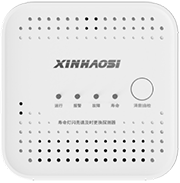
Gas Detectors
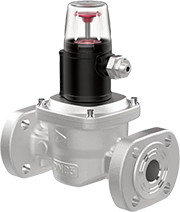
Protecting from the Source
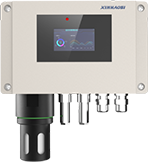
Distribution & Monitoring
























Stay updated with research trends, project cases, and technology releases from Xinhaosi.
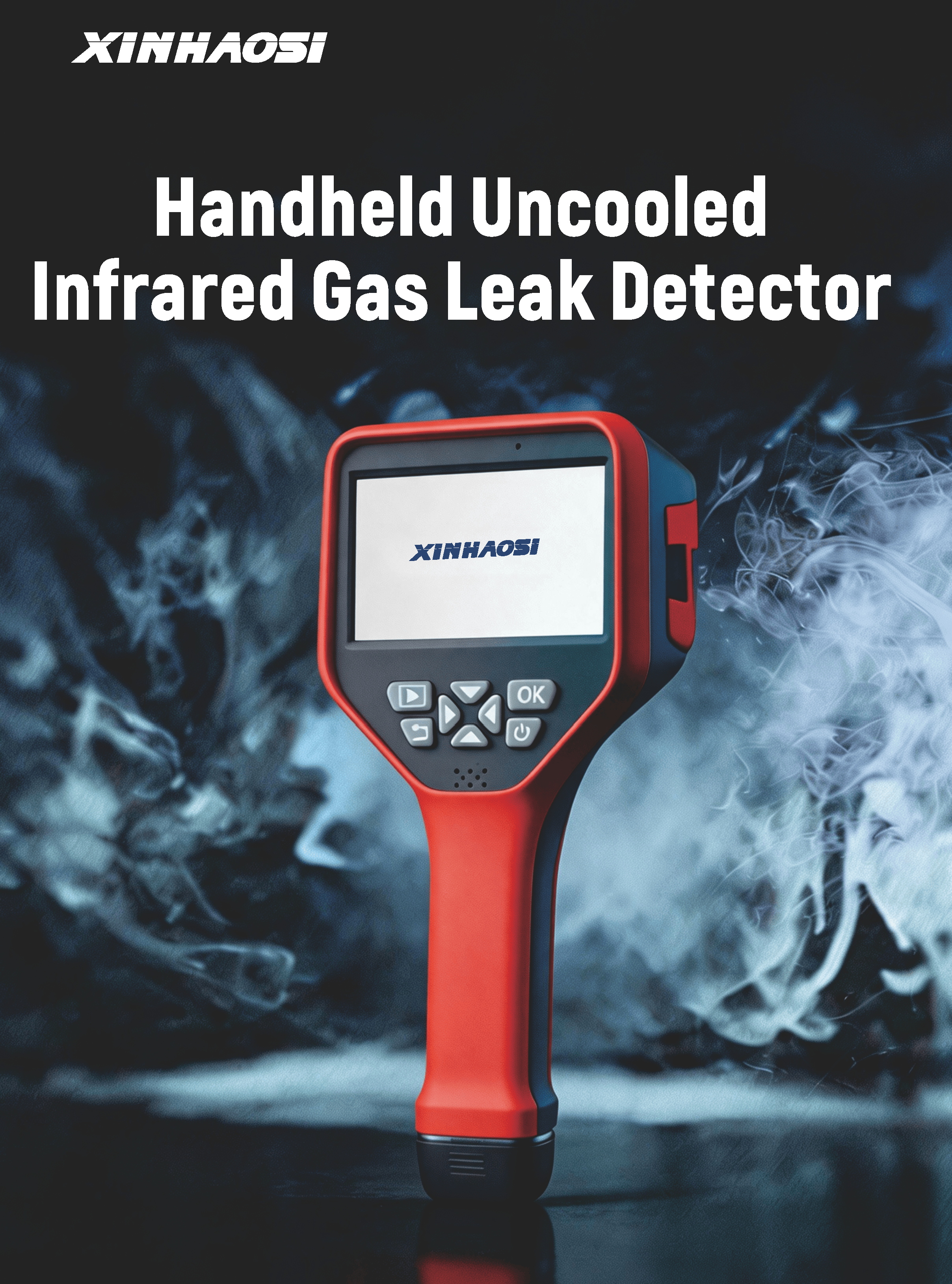
Xinhaosi Electronic Detection Technology Co., Ltd. officially launched its new Handheld Uncooled Infrared Gas Leak Detector, featuring dual-technology fusion, ultra-fast response, and long-distance non-contact detection to enhance safety and efficiency in petrochemical, refrigeration, natural gas and industrial safety scenarios.
Read More →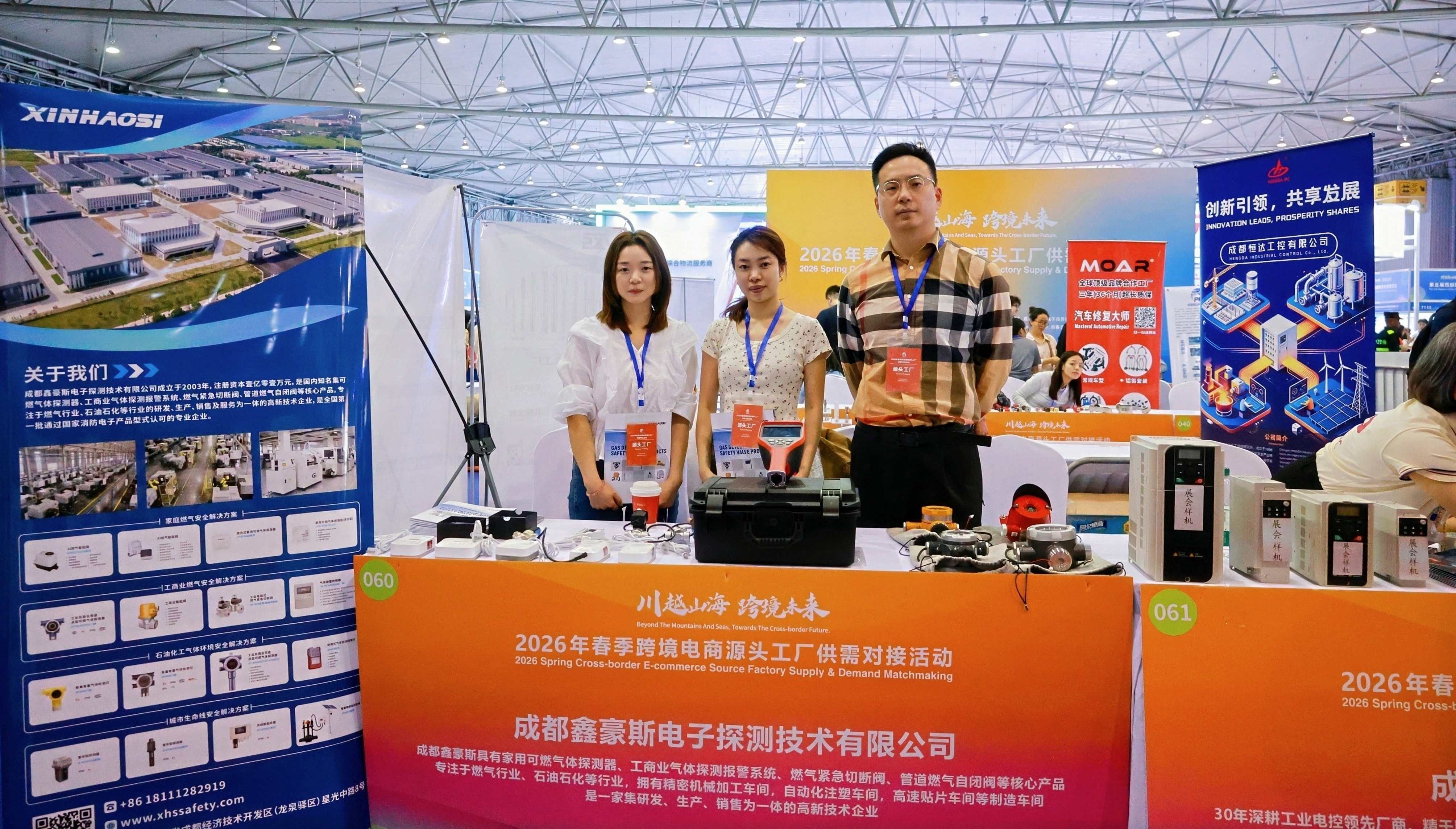
XINHAOSI recently participated in the 5th Western China Cross-Border E-Commerce Expo held in Chengdu. The event brought together cross-border e-commerce platforms, global buyers, manufacturers, and supply chain companies, creating new opportunities for international business cooperation.
Read More →
XINHAOSI recently participated in the 2026 Sichuan (Chengdu) – Indonesia Industry Matchmaking Conference held in Chengdu. The event gathered enterprises and industry representatives from China and Indonesia to strengthen industrial cooperation and explore new business opportunities in Southeast Asia.
Read More →Find technical answers to frequently asked questions regarding ammonia detection installation, maintenance, and compliance.
Explore our full catalog of residential and commercial-grade transmitters, gateways, and control modules.