
In today's world, safety remains a top priority for homeowners. The demand for reliable Carbon Monoxide (CO) alarms continues to rise. According to a 2022 market report by Research and Markets, the global CO alarm market is expected to grow at a CAGR of 5.4% from 2021 to 2026. This highlights a growing awareness of carbon monoxide dangers, particularly in residential areas.
Dr. Emily Wong, a noted expert in home safety technology, emphasizes the importance of these alarms. She states, "The early detection of carbon monoxide can indeed save lives. Investing in a reliable Carbon Monoxide CO Alarm is a step towards safety." Such expert insights underline the value of choosing high-quality products.
While many options exist, it can be overwhelming for buyers. Not every alarm on the market meets safety standards. Some alarms may have false positives, which can lead to complacency. Buyers must remain vigilant and critically assess their options. Ultimately, understanding both the product features and expert opinions can guide selections and improve safety at home.
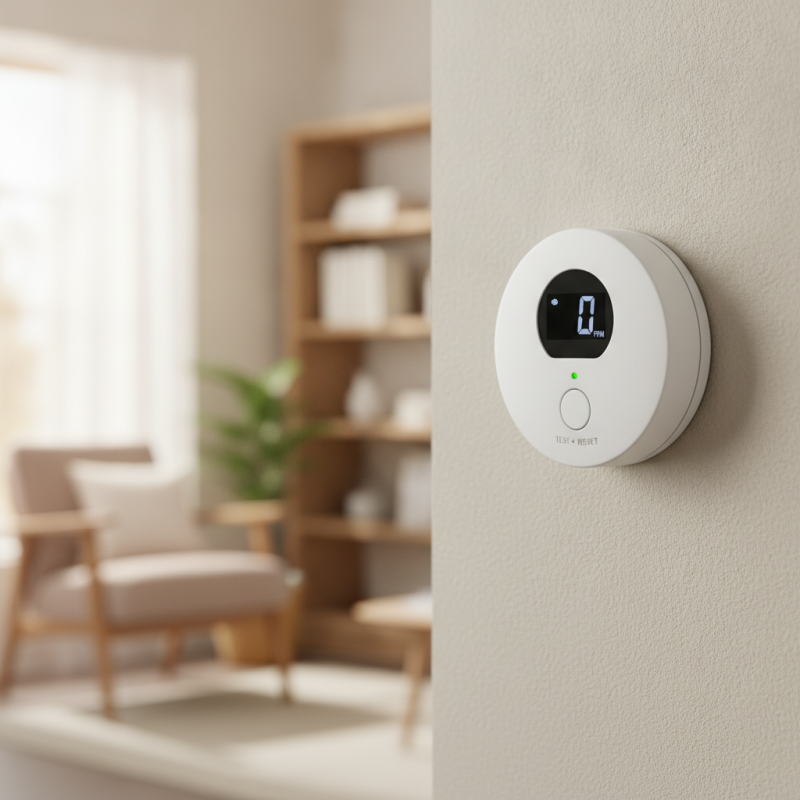
Carbon monoxide (CO) is a colorless, odorless gas that poses severe health risks. It is produced during incomplete combustion of fuels, often in homes using gas appliances. According to the World Health Organization, CO poisoning accounts for thousands of emergency room visits annually. Symptoms can mimic flu-like conditions, making it hard to identify early. Common signs include headaches, dizziness, and confusion.
The National Institute for Occupational Safety and Health reports that the exposure limit for CO is 35 parts per million over an eight-hour period. Levels above this can lead to severe health complications, including neurological damage. Many households remain unaware of these risks. Studies indicate that a significant percentage of homes lack adequate CO detection systems, increasing vulnerability.
Despite awareness campaigns, fatal CO poisoning remains a critical issue. People often overlook the importance of regular maintenance for gas appliances and exhaust systems. This negligence can lead to dangerous situations. Investing in reliable CO alarms can provide early detection, potentially saving lives. Awareness and proper safety measures are essential to mitigate the dangers associated with carbon monoxide exposure.
| Feature | Description | Importance |
|---|---|---|
| Carbon Monoxide Detection | Detection of CO gas levels in the air | Critical for safety, protects against poisoning |
| Alarm Signal | Audible alarm that alerts to danger | Essential for quick response |
| Battery Backup | Power backup in case of electricity failure | Ensures continued operation during outages |
| Test & Reset Button | Allows for regular system checks | Maintains device reliability |
| Digital Display | Shows current CO levels and status | Provides clear information for users |
: They detect carbon monoxide, a harmful, colorless gas. Alarms can save lives by alerting occupants to danger.
The risk of carbon monoxide poisoning increases significantly. Many households don't have working alarms, creating a safety gap.
Regular checks are essential. Test alarms monthly to ensure they are functioning properly and replace them every 5 to 7 years.
Install them near sleeping areas. This placement helps alert people during the night, when dangers can go unnoticed.
Look for reliable safety certifications, sensitive sensors, and a user-friendly interface. These features enhance alarm effectiveness.
Don’t disable the alarm. A low battery can cause nuisance beeping but ignoring it can be dangerous.
Yes, awareness of carbon monoxide dangers has increased demand. Consumers seek reliable, modern designs that combine safety with aesthetics.
Confusion over essential features can lead to buying inadequate alarms. Education is crucial to make informed choices.
A battery backup ensures the alarm works during power outages, maintaining safety in unexpected situations.
Understand the features of alarms, test them regularly, and replace outdated models. Staying informed is key to preventing tragedies.
Carbon Monoxide Co Alarms are essential safety devices that help prevent the dangers associated with carbon monoxide poisoning, a colorless and odorless gas produced during incomplete combustion of fuels. Understanding the importance of these alarms in homes is crucial, as they can provide early warnings and save lives. When selecting a Carbon Monoxide Co Alarm, key features to consider include sensitivity levels, display options, battery life, and alarm volume, which contribute to the overall effectiveness of the device.
In recent years, there has been a notable increase in the demand for Carbon Monoxide Co Alarms in the global market, driven by heightened awareness of the risks and growing regulatory standards. Chinese manufacturers are emerging as key players in the market, offering innovative solutions tailored to meet international safety requirements. As trends continue to evolve, consumers are encouraged to stay informed about the latest advancements and features in carbon monoxide alarm technology to ensure their home safety.
